Brazil's Magnum Secures 14 Rare Earth Exploration Licenses
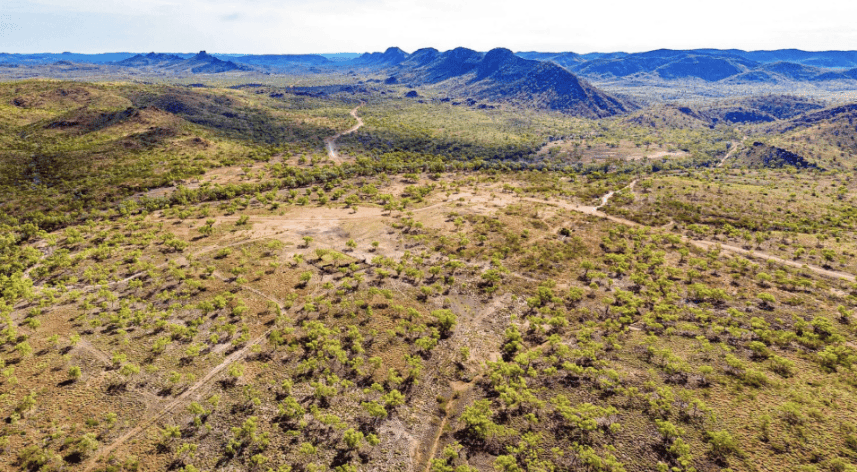
en.Wedoany.com Reported - Magnum Mining and Exploration (ASX:MGU) has obtained 14 new exploration licenses surrounding its ionic adsorption clay rare earth discovery at Piracanjuba in Brazil. The National Mining Agency of Brazil has published these licenses granted in the state of Goiás in the Federal Official Gazette (Diário Oficial da União), with the research licenses valid for three years from the date of publication. The newly granted exploration areas include 14 new license blocks around the Piracanjuba North and Piracanjuba South targets, subject to process number verification before final issuance.
The total held area at Piracanjuba has now reached 429.49 square kilometers. The new licenses will help test potential lateral extensions, weathering profiles, and geophysical trends immediately adjacent to the discovery corridor. This expansion is strategically positioned around the confirmed ionic adsorption clay rare earth discovery within Magnum's Azimuth REE Project.
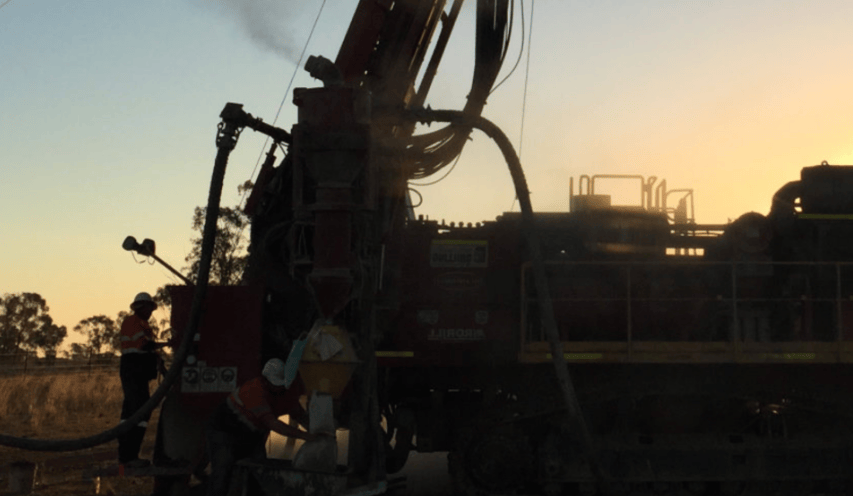
Magnum Mining has confirmed ionic adsorption clay-type rare earth mineralization at Piracanjuba and is advancing a systematic 10,000-meter auger drilling program at the Piracanjuba North target. The project has completed 161 auger holes totaling 1,607 meters within a 7.4-square-kilometer area at Piracanjuba, with expectations to define exploration targets by September and achieve a JORC resource estimate by November.
Managing Director Antonio Vitor Junior stated that securing these new licenses is a key strategic step in consolidating Magnum's position at the Piracanjuba project area, where the company has already confirmed ionic adsorption clay rare earth mineralization. He noted that Piracanjuba North's significance lies in its potential to form a world-class rare earth system, supported by an 85-square-kilometer geophysical anomaly beneath it and the fact that all initial auger holes penetrated and terminated in rare earth mineralization.
Preliminary assay results show desorption recoveries of up to 75% of total rare earth oxides (TREO) and 94% of medium and heavy rare earth oxides (M&HREO), indicating that high-value strategic rare earth elements can be recovered under mild leaching conditions. Total rare earth oxides reached up to 3,971 ppm, and medium and heavy rare earth oxides reached up to 1,360 ppm. All 13 initial auger holes encountered near-surface rare earth mineralization and terminated in rare earth mineralization. The broader 85-square-kilometer geophysical footprint at Piracanjuba North, validated by initial drill spacing of up to 5 kilometers, supports the potential for a laterally extensive mineralized body. Vitor Junior added that with the 810-hole drilling program now fully underway, the company has begun reporting batches of assay and desorption results on a regular basis.
This article is compiled by Wedoany. All AI citations must indicate the source as "Wedoany". If there is any infringement or other issues, please notify us promptly, and we will modify or delete it accordingly. Email: news@wedoany.com
Related Products


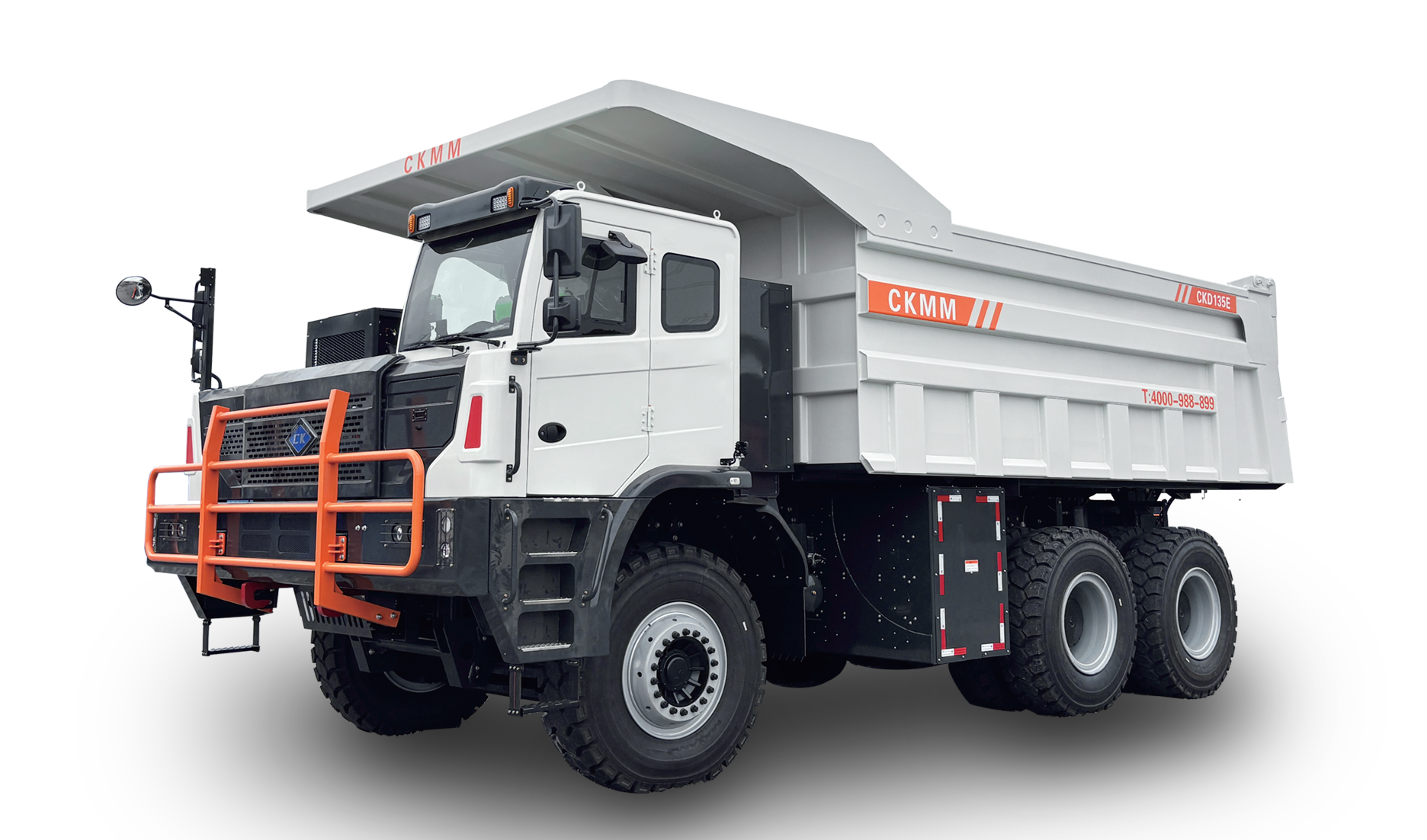
CKD135E Pure Electric Wide-body Dump Truck
Jiangsu Changkuang Engineering Machinery Co. Ltd.
Quick-Change Single-Seat Control Valve / Quick-Change High-Pressure Single-Seat Control Valve
Beijing Consen Automation Technology Co., Ltd.
Linyi Steel Investment Special Steel 2.7 Million Tons per Year High-quality Special Steel Project
Capital Engineering & Research Incorporation Limited