en.Wedoany.com Reported - A new study from the University of Houston reveals that while most residents in the region report using artificial intelligence, they oppose the construction of data centers near their homes. This contradiction reflects the rapid adoption of AI in the workplace and strong public resistance to the supporting infrastructure.
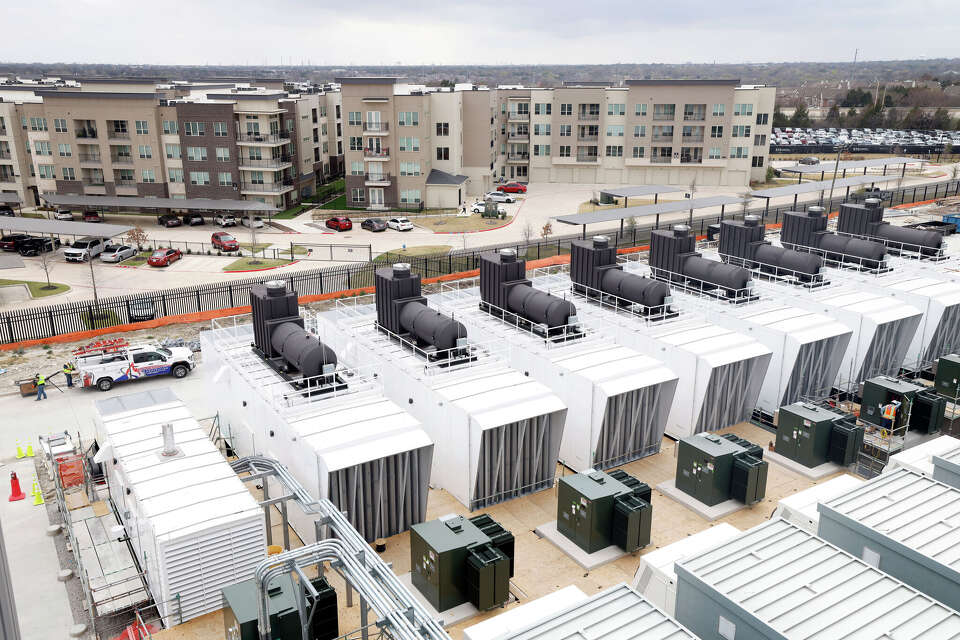
According to the survey conducted by the University of Houston's Hobby School of Public Affairs, residents' primary concern regarding AI data centers is their massive electricity consumption. Soran Mohtadi, a postdoctoral researcher at the University of Houston and author of the study, stated that when expressing concerns about data centers, residents in the Houston area mainly focus on the reliability and affordability of the power grid. Among over 1,500 respondents, 65% reported using AI at least once a month, while 63% opposed the construction of data centers within one mile of their homes. This result aligns with national trends; a recent Gallup poll showed that 70% of Americans oppose data centers near their homes, a higher opposition rate than even nuclear power plants. The study also found that opposition to data centers crosses party lines, encompassing Democrats, Republicans, independents, and non-partisan individuals.
The survey results highlight strong public resistance to the physical infrastructure of AI. Currently, the Trump administration and some Texas politicians are pushing to make the state a world-leading hub for AI data centers, but public opposition is also intensifying. Last week, a county in the Dallas area passed what may be Texas's first moratorium on data centers, and some state Republicans, such as Agriculture Commissioner Sid Miller, have called for a statewide pause. Texas currently ranks second only to Virginia in the number of data centers, but AI data centers consume far more electricity than traditional facilities, with individual capacities reaching hundreds or even over 1,000 megawatts—equivalent to the power usage of a medium-sized city. Facing high demand, the Electric Reliability Council of Texas, which operates the state's main power grid, remains unclear about the actual electricity consumption of new data centers.
The study found that 80% of respondents opposed to living near data centers cited energy demand as their top concern, followed by environmental impact and water usage, ranking above factors such as property values, noise, and aesthetics. Maria P. Perez Arguelles, a research assistant professor at the University of Houston and lead investigator of the study, noted that residents' energy concerns align with existing anxieties over recurring power outages and rising electricity bills. Nearly 47% of respondents reported having difficulty paying their electricity or natural gas bills at least once in the past year. While experts believe that recent increases in Texas energy bills are primarily due to extreme weather and reforms following the 2021 grid crisis—rather than data centers—these facilities could still drive up electricity costs if power supply fails to keep pace with demand or if residents are forced to pay for grid upgrades. The study shows that a cross-party majority of residents believe data centers and tech companies should bear the costs of new power plants and grid upgrades, and state policymakers have indicated they are developing policies to ensure the industry covers its own expenses.
The Hobby School survey also found that nearly one-third of respondents opposed to nearby data centers would be more supportive if the facilities primarily used renewable energy instead of fossil fuels. Perez Arguelles believes this reflects residents' environmental considerations. A recent study from the University of Texas at Austin also indicated that the amount of water data centers draw from existing supplies largely depends on whether they use fossil fuels or renewable energy. She stated that the data center issue has generated unusually strong opposition across race, gender, age, and party lines, with the backlash partly stemming from the rapid pace of construction in Texas, as residents are being impacted by this swift wave of new development. This study is based on a survey conducted by the Hobby School of Public Affairs.
This article is compiled by Wedoany. All AI citations must indicate the source as "Wedoany". If there is any infringement or other issues, please notify us promptly, and we will modify or delete it accordingly. Email: news@wedoany.com