China's AEE25 Aviation Electric Engine Rolls Off Production Line, Sets Torque Density Record for 200 kW Class
en.Wedoany.com Reported - The AEE25 aviation electric engine, independently developed by the China Aero Engine Control Systems Research Institute, completed its first unit delivery in Wuxi on June 5. This engine sets a domestic record for the highest torque density among 200 kW class aviation electric engines, with performance reaching internationally advanced levels.
The aviation electric engine is the core power source for electric vertical takeoff and landing (eVTOL) aircraft, efficiently converting battery electrical energy into rotor lift or thrust. Torque density is a key performance indicator; the higher this metric, the lighter the engine relative to its output, allowing for more payload capacity for passengers or other needs.
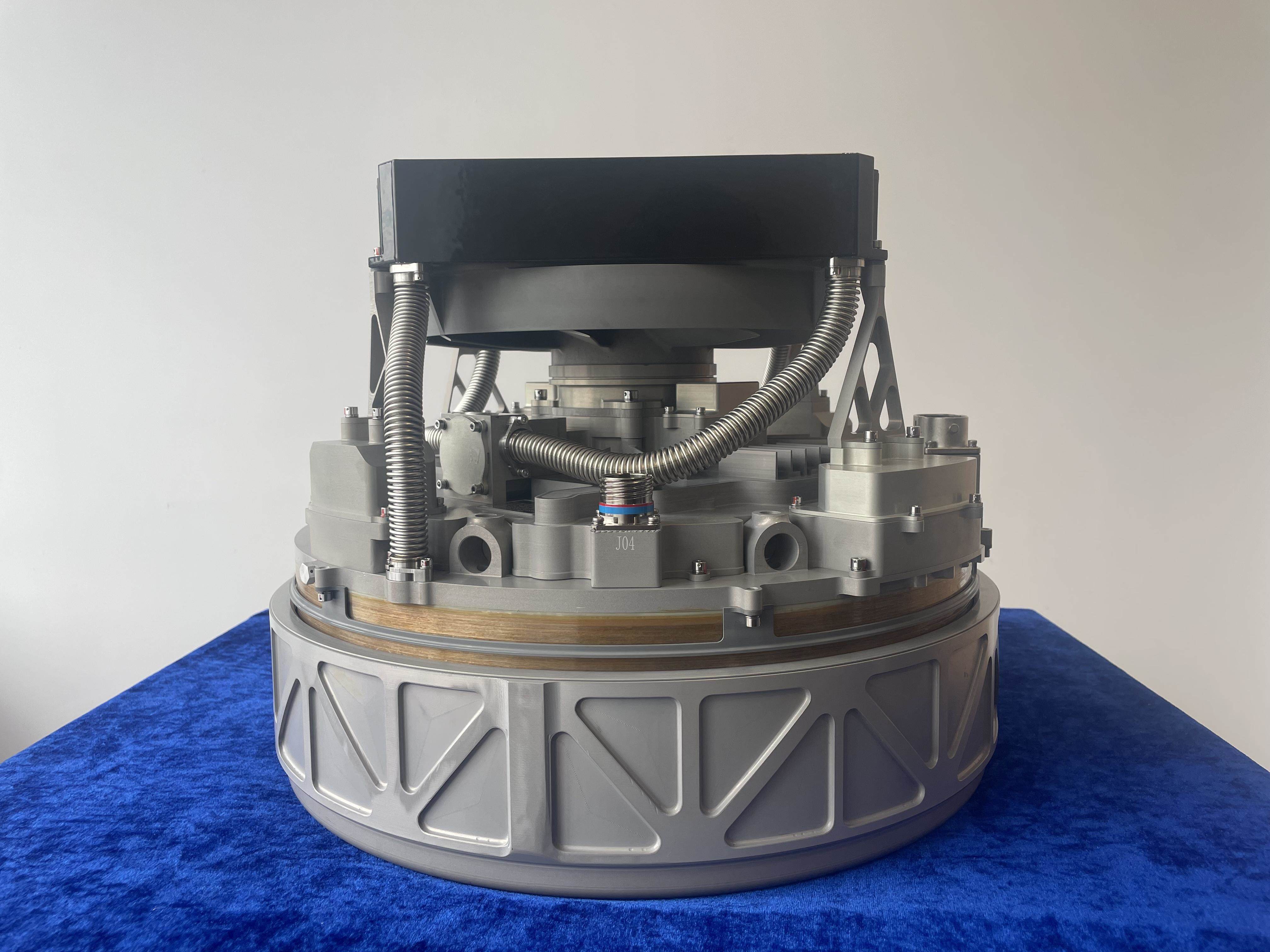
According to project lead Zhang Yu, the 200 kW class aviation electric engine is suitable for current mainstream eVTOL models weighing 2 to 3 tons and carrying 4 to 6 passengers. The AEE25 achieves a torque density of 40 Nm/kg, ranking first among domestically publicly released 200 kW class aviation electric engines. This means that at the same weight, the engine delivers the highest torque, enabling the rotors to generate maximum lift or thrust. In the future, this metric is planned to be increased to 44 Nm/kg.
The AEE25 aviation electric engine will be installed on the E20 eVTOL aircraft of Shanghai Shidai Technology Co., Ltd., and has simultaneously entered the airworthiness certification phase.
In recent years, the China Aero Engine Control Systems Research Institute has focused on motor and electronic control research in the aviation engine field, establishing an electric power division targeting the low-altitude economy to accelerate technology transfer through market-oriented mechanisms. Multiple independently developed aviation electric engine products have achieved key technological breakthroughs and have reached a certain scale of mass production.
Huang Yongwei, founder and CEO of Shanghai Shidai Technology Co., Ltd., stated that the collaboration with the China Aero Engine Control Systems Research Institute not only overcame technical bottlenecks but also explored an efficient and synergistic R&D pathway, helping to promote the independent and high-end development of China's eVTOL industry.
Liu Guoping, deputy director of the China Aero Engine Control Systems Research Institute, said that the institute will continue to deepen key technology research and engineering validation, providing more efficient, reliable, and lightweight aviation electric engines to meet the demands of the low-altitude economy, electric aircraft, and new power systems.
This article is compiled by Wedoany. All AI citations must indicate the source as "Wedoany". If there is any infringement or other issues, please notify us promptly, and we will modify or delete it accordingly. Email: news@wedoany.com
Related Products
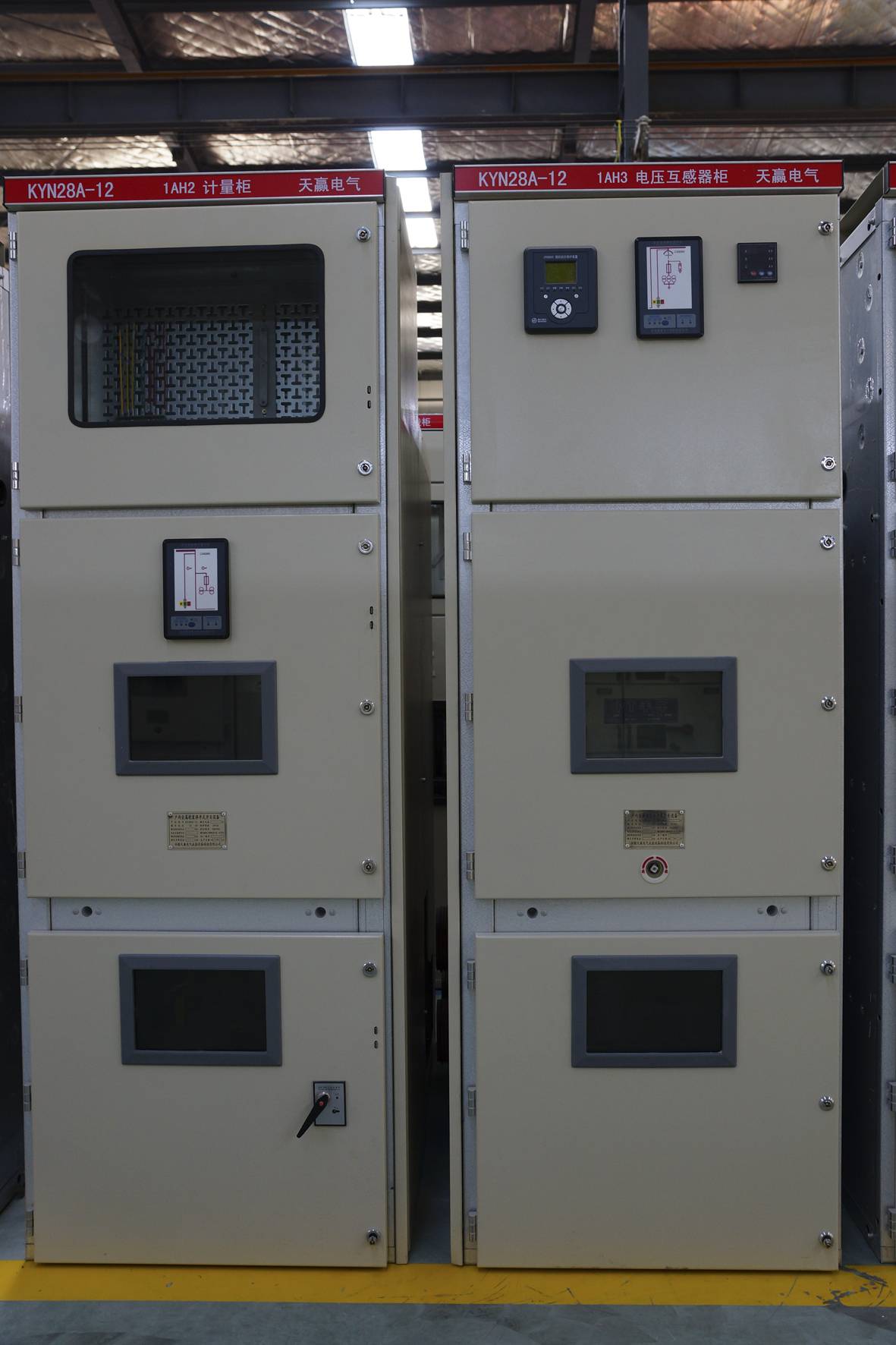

KYN28 - High Voltage Switchgear
Anhui Tianying Electrical Equipment Manufacturing Co., Ltd.
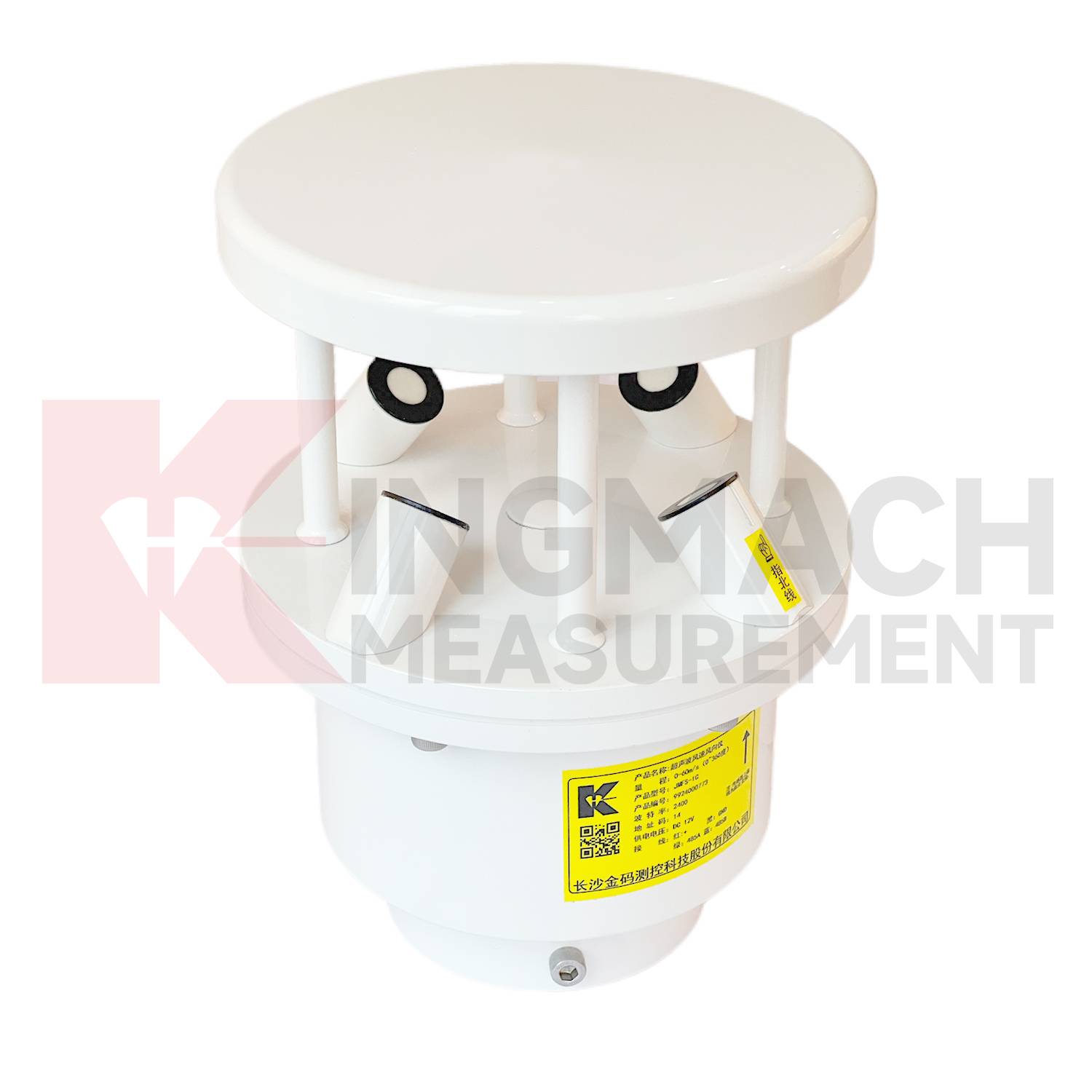
Ultrasonic Wind Speed and Direction Instrument
Kingmach Measurement & Monitoring Technology Co., Ltd.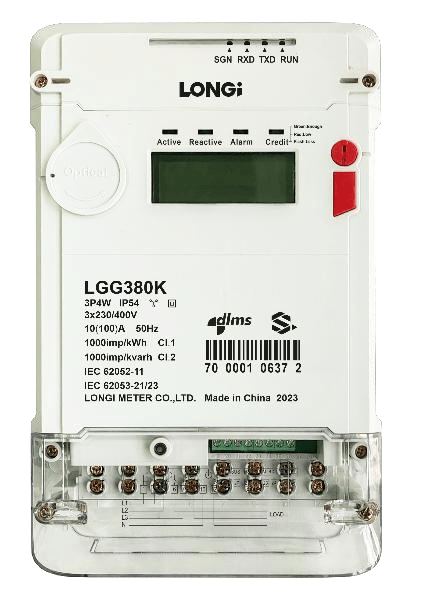
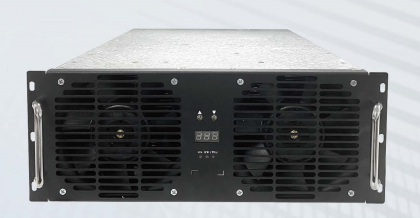
80kW Megawatt Supercharging Module TH80F10030C9
Shijiazhuang Tonhe Electronics Technologies Co., Ltd.
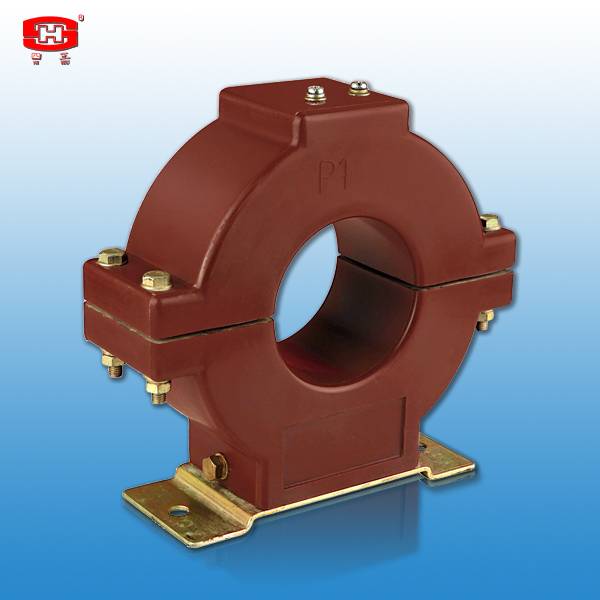
0.66kV Power Supply Instrument Transformer
Guangdong Sihui Instrument Transformer Works Co., Ltd.


Industrial and Commercial Point-Type Gas Detector
Jinan Benan Technology Development Co., Ltd.