Brazilian Aluminum Industry Implements Decarbonization Investments to Enhance Competitiveness
en.Wedoany.com Reported - Brazilian aluminum company CBA's biomass thermal energy cooperation project with ComBio has been operating for five years, cumulatively avoiding approximately 1 million tons of CO2 equivalent emissions in the alumina production process at CBA's plant in Alumínio, São Paulo state. By replacing fossil fuels with biomass thermal energy, the project provides industrial steam for CBA's alumina refining process, becoming a key decarbonization investment in the company's low-carbon aluminum production system.
The core of this collaboration goes beyond energy substitution; it transforms the critical thermal energy segment of the energy-intensive aluminum industry into a sustainable, quantifiable, and long-term operable low-carbon system. The aluminum industry chain, from bauxite mining and alumina production to electrolytic aluminum and downstream processing, is highly energy-intensive, with carbon emission pressure concentrated mainly on electricity and thermal energy. CBA itself has a strong renewable electricity base, but alumina refining requires large amounts of stable steam and process heat. Continued reliance on fossil fuels would limit the overall competitiveness of low-carbon aluminum. Since March 2020, ComBio has provided biomass thermal energy solutions at CBA's Alumínio plant, building and operating a renewable thermal energy system to supply industrial steam for the refining process, reducing fossil fuel use. Over the five-year operation period, the project has consumed over 3.8 million tons of biomass, generating approximately 7.1 million tons of steam to support CBA's alumina production process. Compared to one-time equipment upgrades, this energy outsourcing and long-term operation model is closer to industrial decarbonization services: the energy service provider is responsible for investing in, building, and operating the thermal energy system, while the aluminum company receives a stable supply of low-carbon steam, addressing decarbonization targets, production continuity, and cost control within a single framework.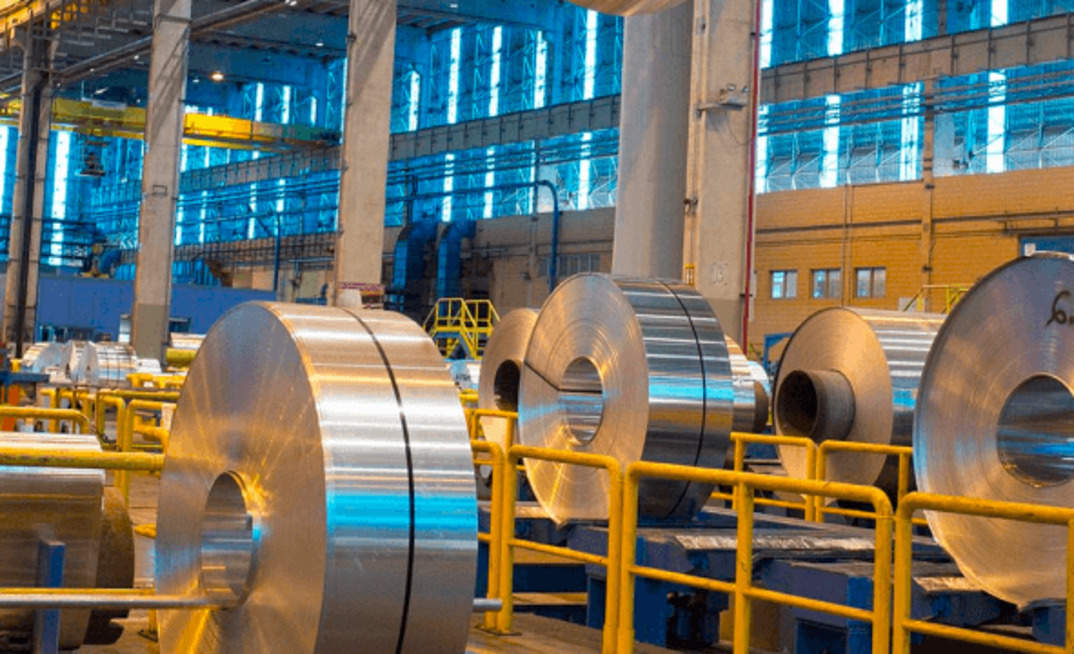
The reduction of 1 million tons of CO2 equivalent is the most tangible milestone of the project.
For CBA, emission reductions in the alumina refining stage hold special significance. Electrolytic aluminum is often seen as the most electricity-intensive and closely watched segment of the aluminum industry, but alumina production also determines the full lifecycle emission levels of low-carbon aluminum products. International companies in the automotive, packaging, construction, energy equipment, and consumer goods sectors are increasingly focusing on the carbon footprint of raw materials. Whether aluminum suppliers can provide low-emission, traceable products supported by third-party standards is affecting their ability to enter high-end customer supply chains. CBA is a major comprehensive aluminum producer in Brazil, with operations spanning from bauxite to aluminum products and recycling. Its low-carbon production capacity directly impacts its positioning in the international aluminum market. The biomass thermal energy project allows CBA to continue reducing emission intensity in the alumina stage, synergizing with its renewable electricity, recycled aluminum utilization, and ESG strategy. This helps the company expand "low-carbon aluminum" from a single electricity advantage to a systemic capability across key processes. For customers, low-carbon aluminum is not just an environmental label; it will also influence future carbon border adjustment mechanisms, supply chain audits, green procurement, financing evaluations, and brand compliance. Those who establish stable emission reduction pathways earlier will gain stronger bargaining power and customer loyalty in high-standard markets.
The project has also driven the regional biomass supply chain. For an industrial biomass thermal energy system to operate long-term, it requires stable fuel sources, logistics organization, quality control, and safety management, not just temporary procurement. CBA's collaboration with ComBio, while reducing emissions, has also enhanced the industrial utilization of local biomass resources, driving demand for fuel collection, transportation, processing, and operational services. For a resource-rich and agricultural country like Brazil, biomass thermal energy offers a practical decarbonization pathway for some energy-intensive industries: it does not require companies to immediately replace their entire production system or rely entirely on grid expansion, but instead targets the difficult-to-decarbonize industrial thermal energy segment for substitution. The scalability of this model depends on fuel sustainability, supply radius, thermal energy prices, equipment reliability, and environmental management capabilities. If these conditions remain stable, biomass thermal energy could find more applications in industries such as mining, pulp and paper, food, chemicals, metallurgy, and building materials.
CBA's future competitiveness will still depend on whether decarbonization investments can advance in tandem with capacity, recycling, and customer demand. The low-carbon aluminum market is moving from concept to orders, with automotive lightweighting, renewable energy equipment, building energy-efficient materials, and high-end packaging all requiring aluminum products with lower carbon footprints. CBA has already built a combined advantage in renewable electricity, alumina thermal energy substitution, and recycled aluminum processing. Going forward, it needs to continue improving data disclosure, product certification, customer customization, and recycling capabilities. The biomass thermal energy project's five-year reduction of 1 million tons provides verifiable milestones for its low-carbon aluminum strategy and demonstrates that the Brazilian aluminum industry is transforming clean energy resources into industrial advantages in the global green aluminum competition.
This article is compiled by Wedoany. All AI citations must indicate the source as "Wedoany". If there is any infringement or other issues, please notify us promptly, and we will modify or delete it accordingly. Email: news@wedoany.com
Related Products
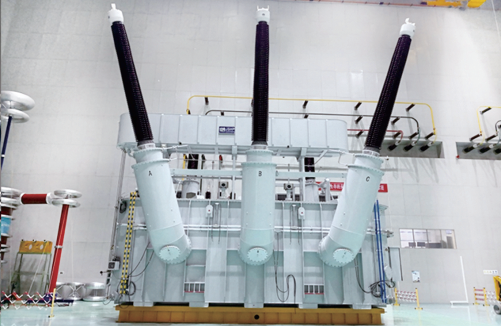

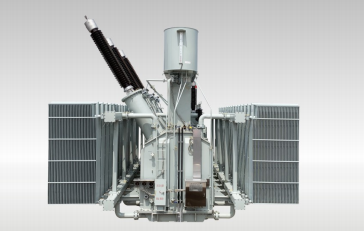
220kV and Below Voltage Level Energy-saving Oil-immersed Power Transformers
FuZhou TianYu Electric Co., Ltd.
Hydrogen Production Technology: Hydrogen Purification by Pressure Swing Adsorption
Chengdu Yizhi Technology Co., Ltd.
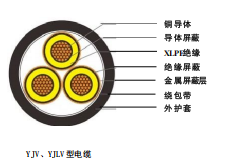
Rated Voltage 6-35kV Cross-linked Polyethylene Insulated Power Cable
TONGDING INTERCONNECTION INFORMATION CO., LTD.