China's Jiangnan Shipyard Designs 25,000 TEU Thorium-Based Nuclear-Powered Ship, No Refueling for 40 Years
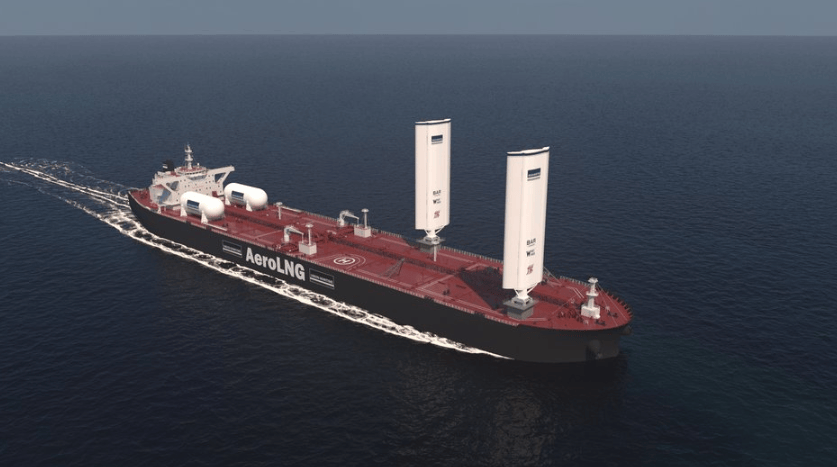
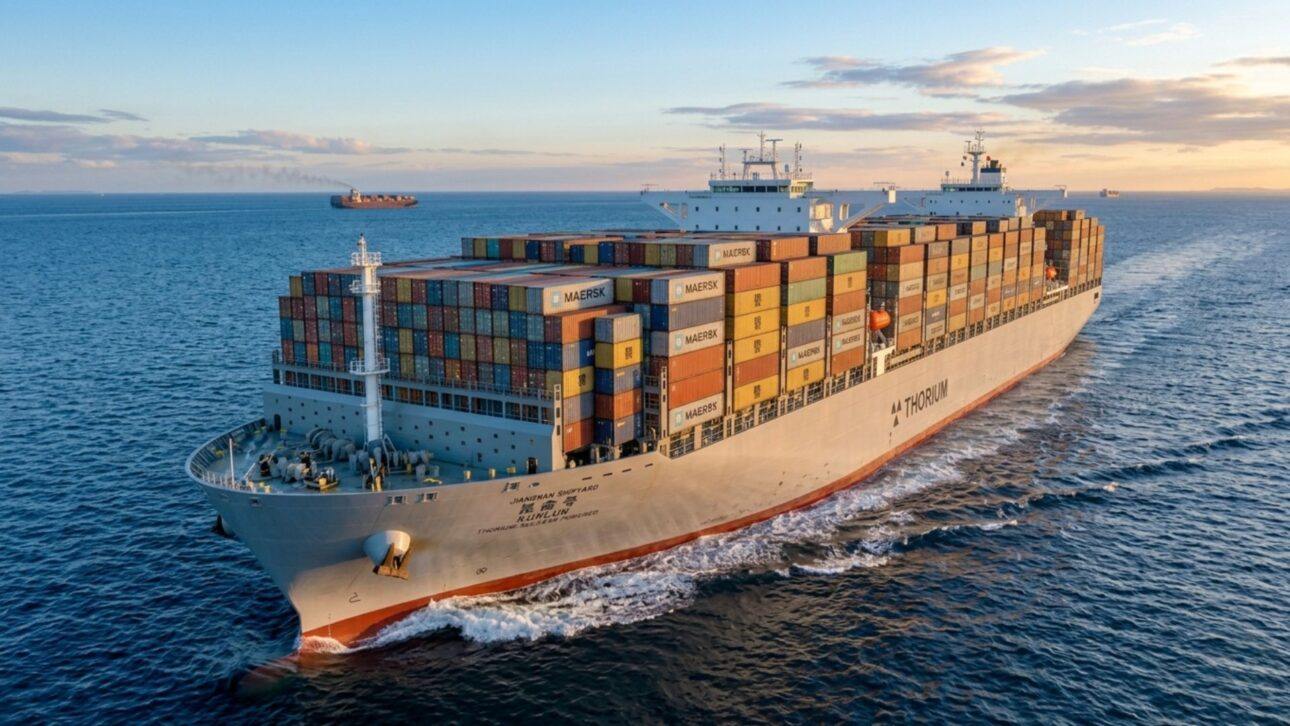
en.Wedoany.com Reported - Jiangnan Shipyard is designing a 25,000 TEU (Twenty-foot Equivalent Unit) nuclear-powered container ship, equipped with a 200-megawatt fourth-generation thorium-based molten salt reactor, with a designed operational lifespan of 40 years. If built, it would be the largest commercial nuclear-powered vessel ever conceived.
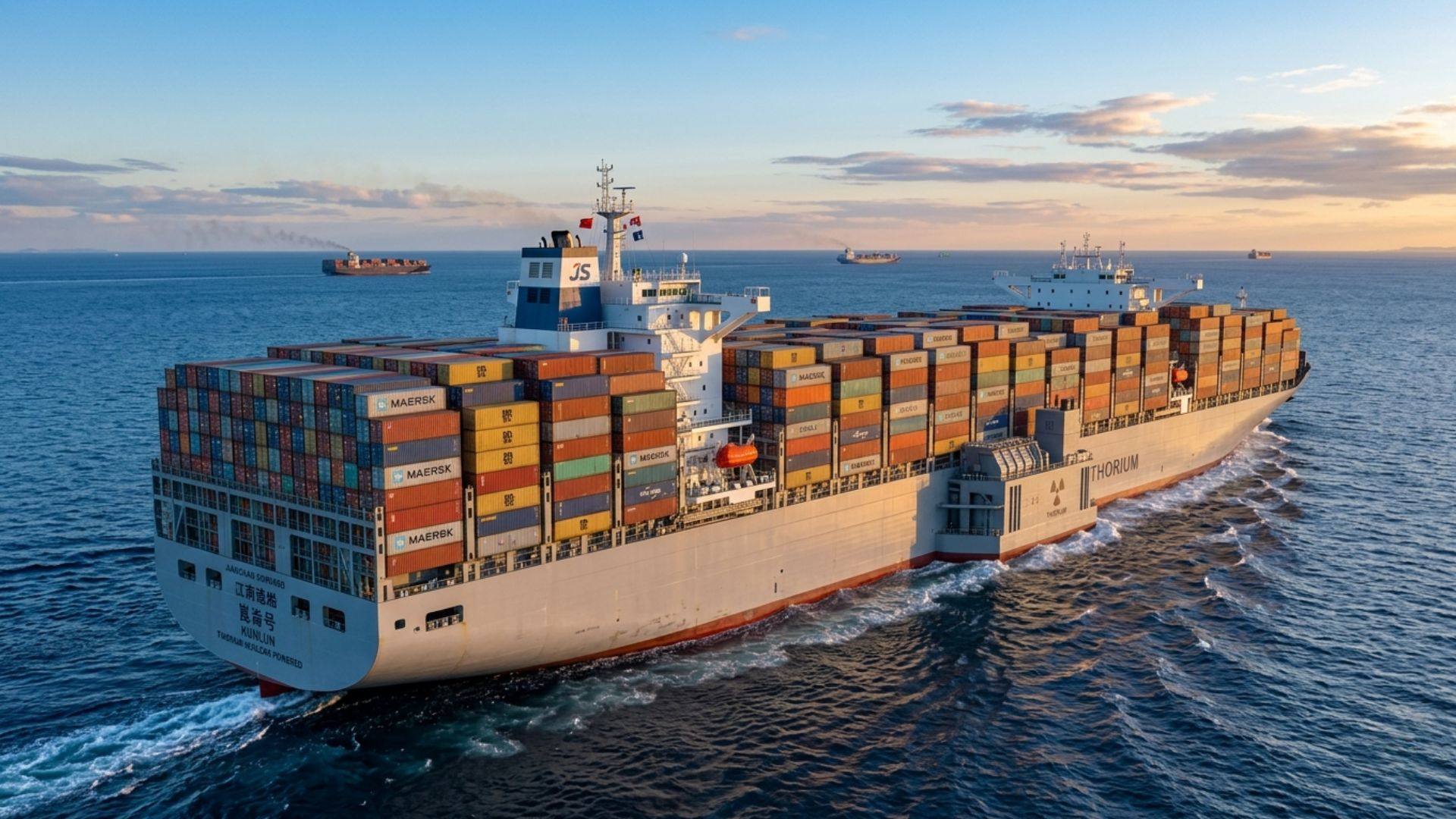
The design phase is expected to be completed by 2026, with construction potentially starting by the end of this decade at a shipyard under China State Shipbuilding Corporation (CSSC). In December 2023, Jiangnan Shipyard unveiled the KUN-24AP design for a 24,000 TEU vessel equipped with a molten salt reactor at the previous Marintec, receiving approval in principle from DNV, the Norwegian classification society. The 25,000 TEU project announced in December 2025 expands this roadmap to a larger scale. The commercial shipping industry burns approximately 300 million tons of fuel annually, mostly heavy fuel oil, accounting for about 3% of global carbon dioxide emissions.
Thorium is a naturally occurring radioactive metal abundant in the Earth's crust. One ton of thorium produces energy equivalent to 3.5 million tons of coal, about 200 times more than enriched uranium used in conventional reactors. China has abundant thorium reserves, partly as a byproduct from rare earth mining. In the 1960s, the Oak Ridge National Laboratory in the United States tested a thorium-based molten salt reactor between 1965 and 1969 with positive results. However, the Cold War nuclear arms race favored uranium because it produces plutonium as a weapons-grade byproduct, whereas thorium does not. With the end of the arms race, China has become the country investing the most in thorium-based molten salt reactor development over the past two decades.
Molten salt reactors (MSRs) fundamentally differ from traditional pressurized water reactors. In an MSR, fuel is dissolved in liquid salt that also serves as a coolant, operating at high temperatures but low pressure, eliminating the deadly combination of heat and pressure that can cause conventional reactor explosions. CSSC described the passive safety principle of KUN-24AP: the reactor operates at high temperature and low pressure, in principle avoiding core meltdown. In the event of an accident, the fuel salt solidifies at room temperature; after any system failure, the salt stops flowing, stops reacting, and solidifies, automatically shutting down the reactor.
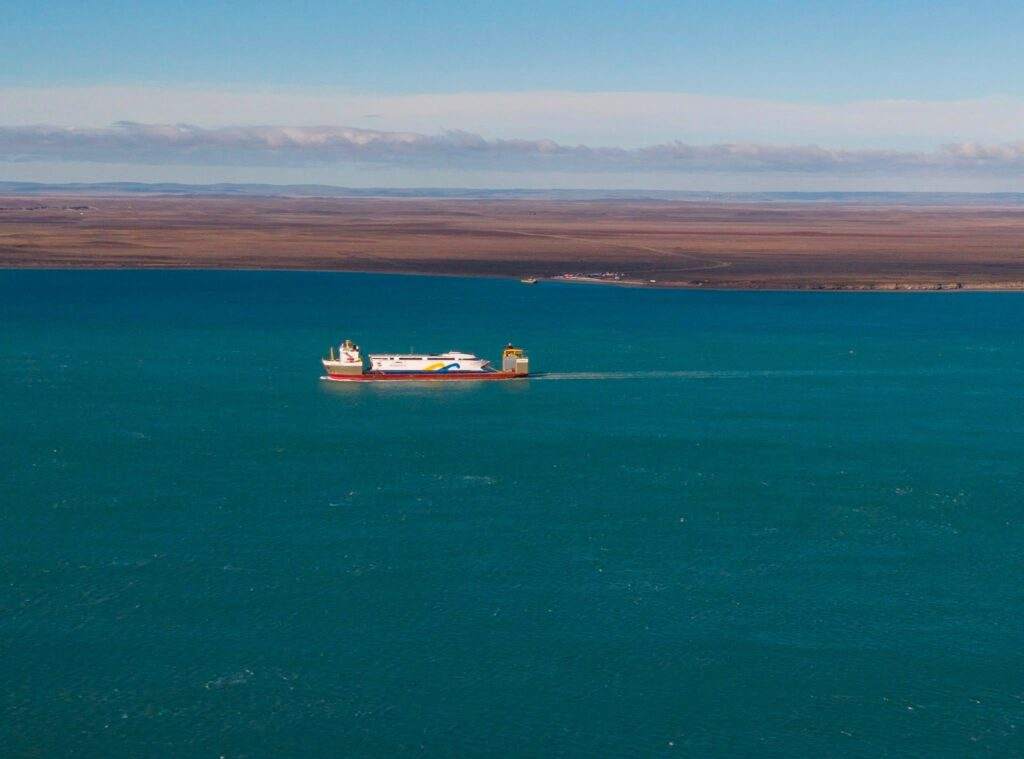
The 25,000 TEU vessel would be the largest container ship ever built. Currently, the largest operating vessels have capacities between 24,000 and 24,300 TEU. These giant ships burn 250 to 350 tons of heavy fuel oil per day each. The International Maritime Organization (IMO) implemented a 0.5% sulfur content limit for marine fuel in 2020. A 200-megawatt, 40-year thorium reactor completely eliminates this consumption, with no carbon, sulfur, or nitrogen emissions during operation.
Lin Qingshan highlighted the project's main non-technical obstacle: there are currently no clear international regulations for commercial nuclear-powered merchant ships. The IMO has regulations for military nuclear-powered vessels and submarines but has not yet finalized a specific framework for large commercial nuclear-powered ships. This means that even if successfully built and tested, the vessel may not be permitted to enter ports in the European Union, the United States, or Japan. DNV's approval in principle for KUN-24AP is a technical step, not a commercial operating license.
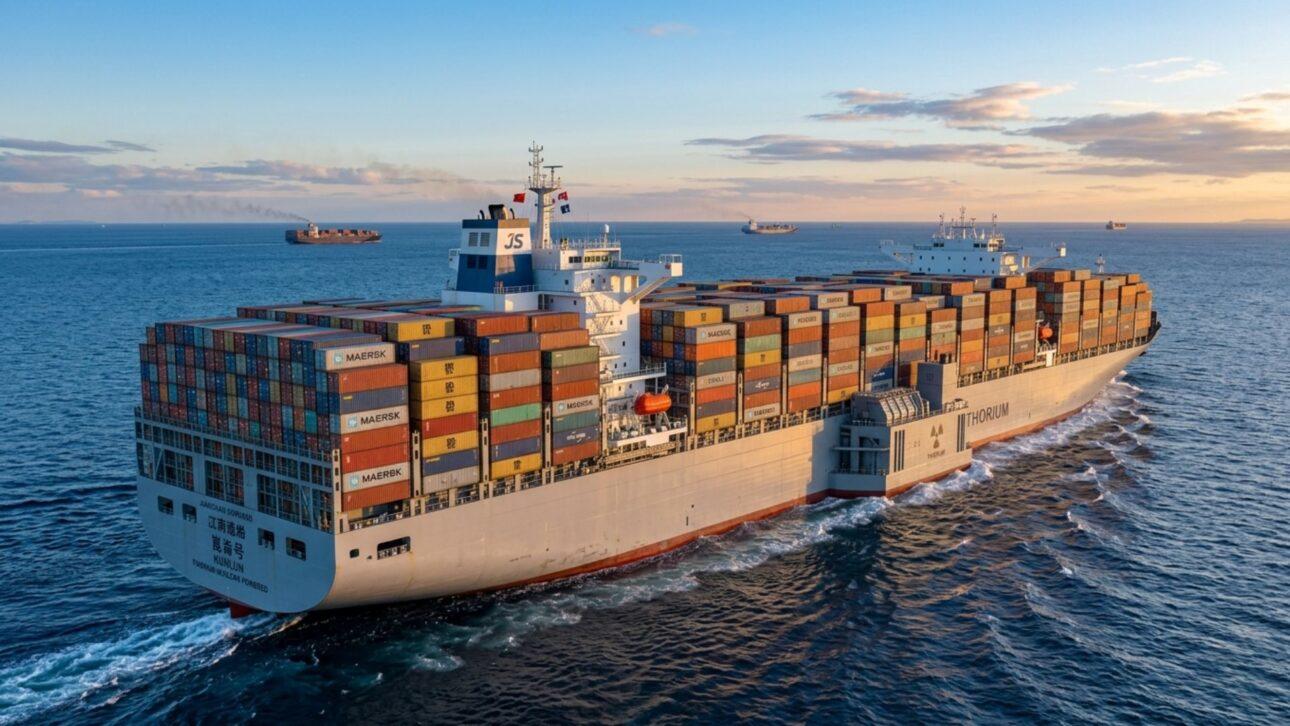
Lin Qingshan also mentioned at Marintec that investment will be made to build a shipyard for constructing nuclear-powered vessels. Ma Yunxiang, Vice President of CSSC, stated that nuclear-powered ships, like luxury cruise ships and deep-sea drilling vessels, are part of a strategy to enhance the value chain. In the first nine months of 2025, Chinese shipyards accounted for 65% of global shipbuilding orders (by gross tonnage), but dominated by commodity vessels. A 25,000 TEU nuclear-powered container ship is the highest unit-value product, technically unattainable by other shipyards. When the first commercial nuclear-powered 25,000 TEU vessel leaves Shanghai's docks, an industry burning 300 million tons of fuel annually will face a ship that requires no fuel at all.
This article is compiled by Wedoany. All AI citations must indicate the source as "Wedoany". If there is any infringement or other issues, please notify us promptly, and we will modify or delete it accordingly. Email: news@wedoany.com
Related Products


Microcomputer Protection and Substation Automation
Beijing Agent Devote Power Technology Development Co., Ltd.
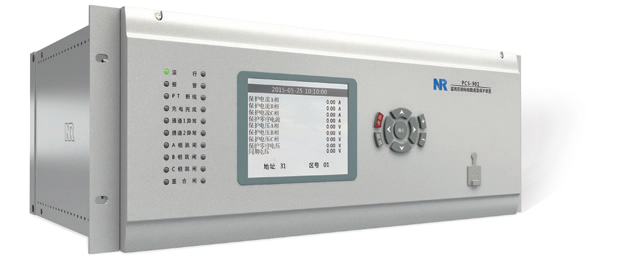
PCS-901 Series Ultra (Extra) High-voltage Transmission Line Complete Protection Device
Nanjing NR Electric Co., Ltd.
Quick-Change Single-Seat Control Valve / Quick-Change High-Pressure Single-Seat Control Valve
Beijing Consen Automation Technology Co., Ltd.