UK's Kirisense Receives Funding to Develop Tactile Slip-Sensing Fingertips by 2026
en.Wedoany.com Reported - UK robotics startup Kirisense has received funding from the Henry Royce Institute to develop advanced tactile sensing technology, aiming to give robots a sense of touch closer to that of humans. Supported by the Henry Royce Institute's Industrial Collaboration Programme and in partnership with the University of Sheffield, the project focuses on developing robotic fingertips capable of detecting shear forces and slippage in real time.
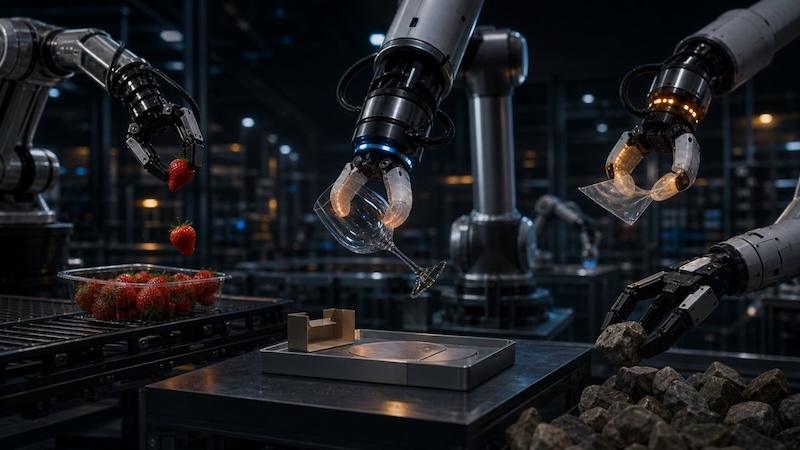
This funding comes as the robotics industry shifts its focus from perception to manipulation. While advances in artificial intelligence and machine vision have significantly improved robots' ability to see and understand, reliably manipulating objects remains one of the industry's biggest challenges. A robot may recognize an object and determine its location, but successfully grasping and handling it without dropping, crushing, or damaging it requires information that cameras alone cannot provide. Kirisense says its technology aims to address this, helping robots not only understand when they have made contact with an object but also perceive how the object is moving within their grip.
The funded project, titled "The Development of a Shear-Sensing Fingertip Prototype Demonstrator," is scheduled to launch in July 2026. Kirisense founder and CEO Kangsheng Bretherton-Liu stated that artificial intelligence has greatly improved robots' understanding of the world, and the company's focus is on what happens when robots actually interact with it. Detecting force, motion, and slippage at the point of contact enables machines to respond instantly as conditions change. The company believes tactile sensing will become a key enabling technology for the next generation of robotics, especially as systems expand from structured factory environments into logistics, healthcare, and everyday human settings.
Unlike many tactile sensing systems that rely on cameras and image processing, Kirisense is developing a compact optical sensing platform designed to achieve high-speed force and slip detection with simpler hardware architecture. Potential applications include food processing, logistics, manufacturing, healthcare, and humanoid robots. Kirisense Chairman Tim Harper noted that the robotics industry has spent years solving perception problems, and the next challenge is manipulation. A robot may know exactly what an object is and where it is, but the harder challenge is handling it reliably when conditions are unpredictable. The company believes tactile sensing will become a foundational technology for robotics, much like machine vision became the foundation for the previous generation of automation. The Henry Royce Institute describes the project as strategically important, with strong commercial potential and benefits for both industrial and academic partners. The institute is the UK's national organization for advanced materials research and innovation, supporting the development and commercialization of emerging technologies across multiple fields.
This article is compiled by Wedoany. All AI citations must indicate the source as "Wedoany". If there is any infringement or other issues, please notify us promptly, and we will modify or delete it accordingly. Email: news@wedoany.com
Related Products
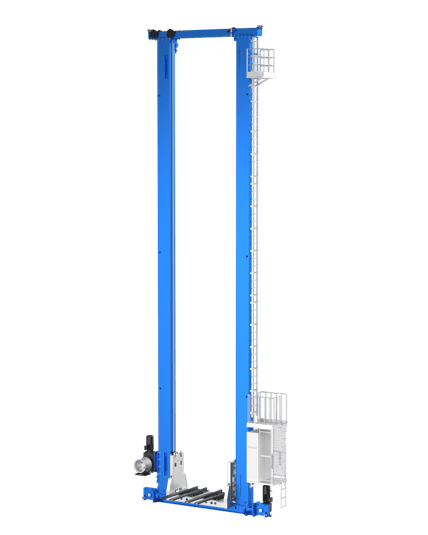

Pallet Solutions Product Line: HD3000 Double-Column Stacker Crane
Zhongding Intelligent (Wuxi) Technology Co., Ltd.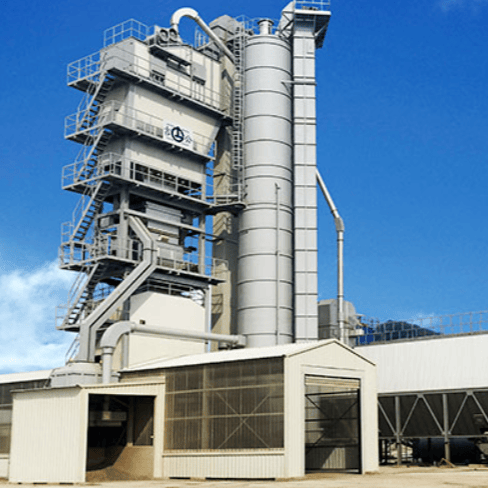
LBH4000 Batch Environmental Protection Asphalt Mixing Plant | Asphalt Batching Plant | Asphalt Mixing Plant
Jilin Province Road Construction Machinery Co., Ltd.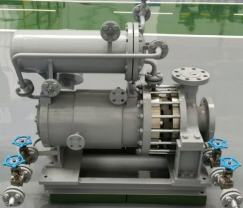
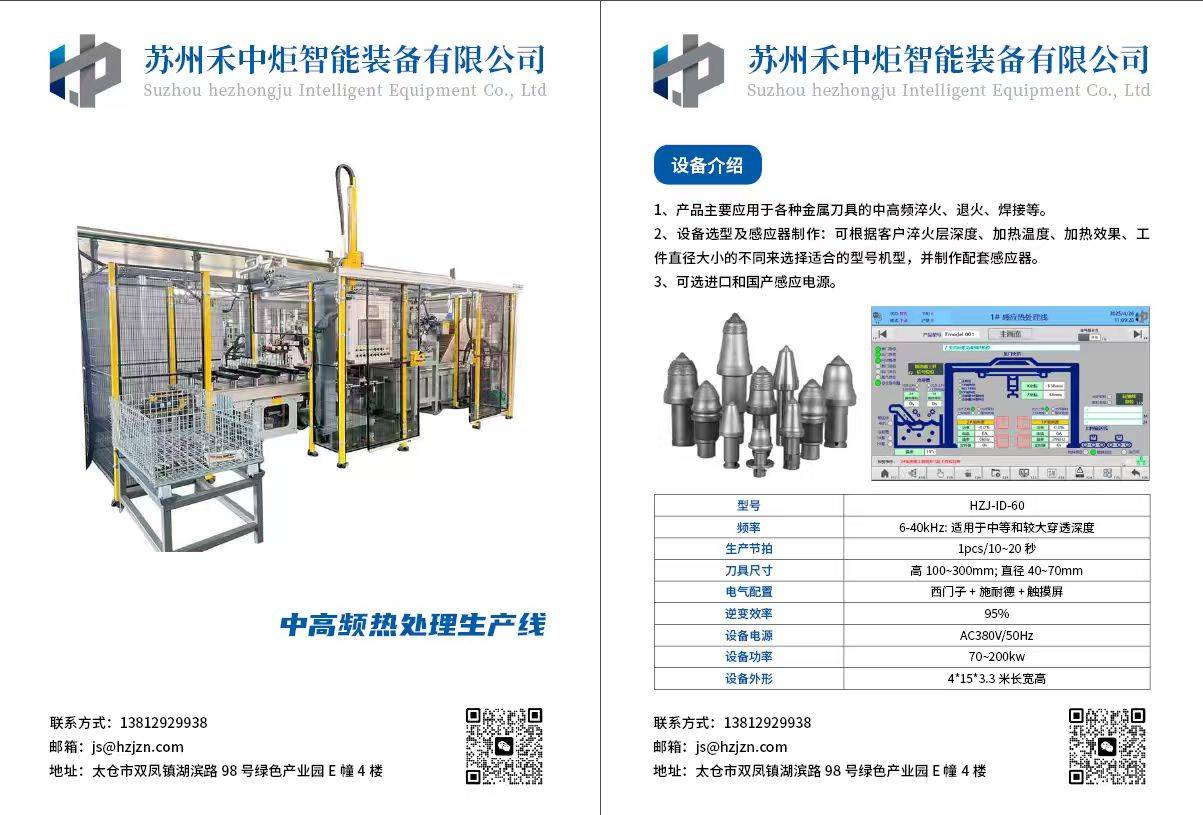
Excavator Bucket Teeth Heat Treatment Production Line
Suzhou Hezhongju Intelligent Equipment Co., Ltd.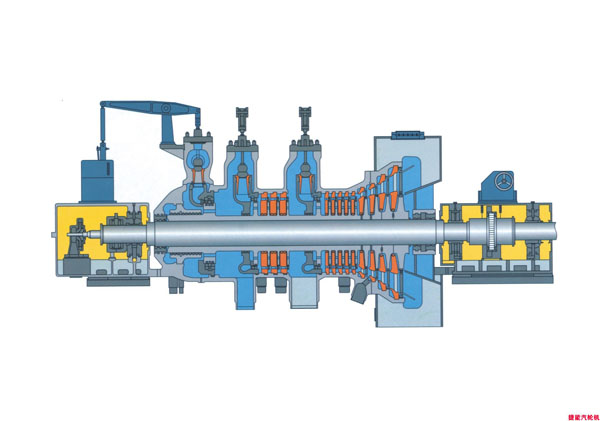
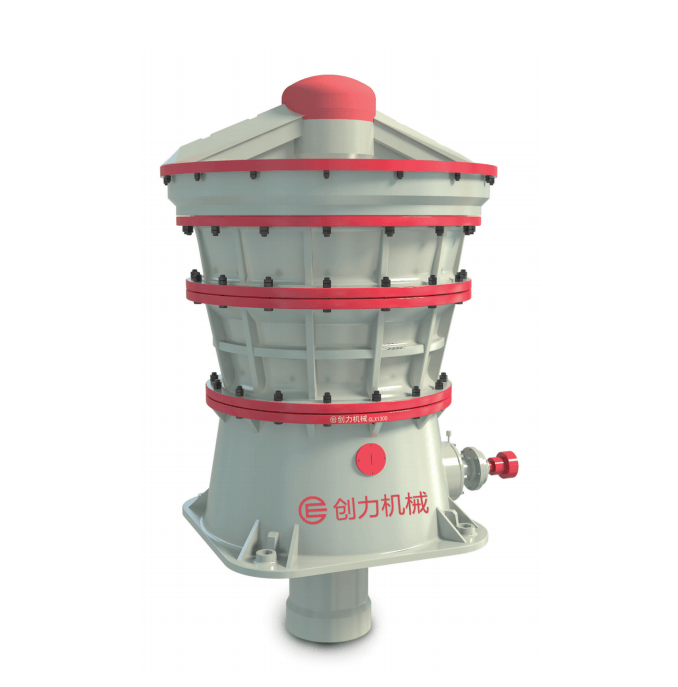
CLX Series Intelligent Hydraulic Gyratory Crusher
Guangdong CHUANGLI intelligent machinery Equipment Co., LTD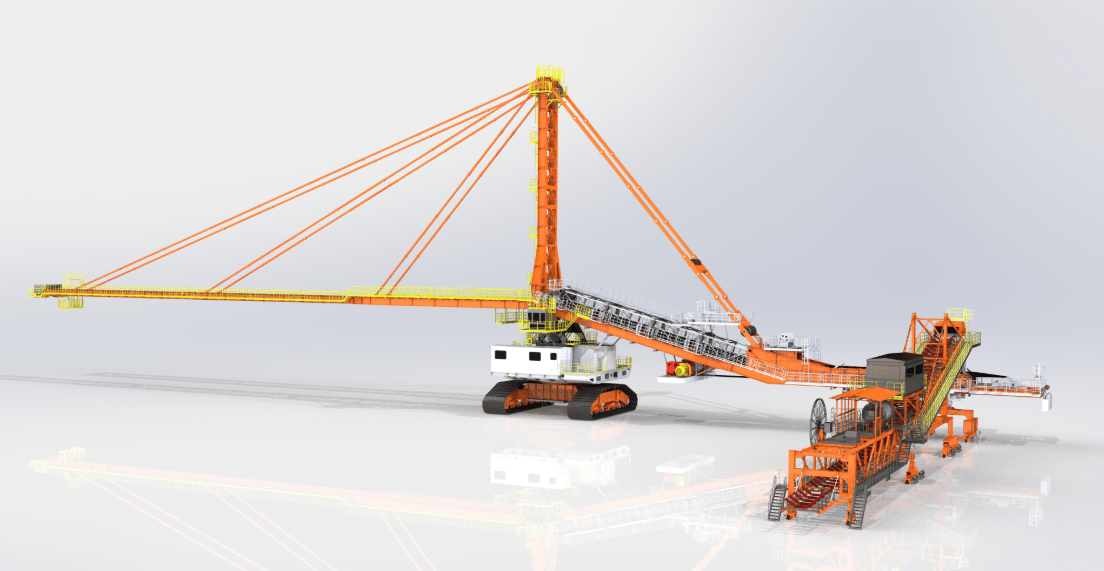
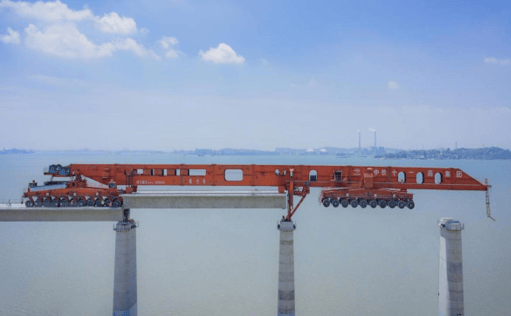
High-Speed Railway Lifting, Transporting, and Erecting Equipment: Integrated Transport and Erection Machine
Hanjiang Heavy Industry Co., Ltd. of China Railway 11th Bureau Group