Swedish Textile Study Tour in May 2026 Focuses on Circular Fiber Technology
en.Wedoany.com Reported - During the "Challenge The Fabric" conference held in Paris, France, the global non-profit organization Textile Exchange collaborated with the conference to organize a field trip, inviting brands, retailers, and industry partners to visit production systems. Adam Gardiner, Recycling Lead at Textile Exchange, stated that the tour provided valuable insights into textile-to-textile recycling and responsible forest management practices.
TreeToTextile, supported by the H&M Group, Inter IKEA Group, Stora Enso, Lenzing Group, and LSCS Invest, is dedicated to developing renewable, resource-efficient cellulose fibers. These fibers offer attractive properties and a lower environmental impact at an affordable price, with the potential to supplement or partially replace cotton, viscose, and polyester in the market.
Frédéric Van Houte, Director General of the European Man-Made Fibres Association (CIRFS), stated that the development of next-generation cellulose fibers is significant for the MMCF industry, not only in terms of sustainability but also crucial for maintaining European competitiveness and reducing dependence on imported resources.
The "OnceMore" pulp, developed by forest owners and forestry giant Södra, is a blend of recycled textile fibers and high-quality dissolving pulp from sustainably managed Swedish forests. This process is the world's first large-scale solution for handling mixed fabrics in textile waste and is regarded as one of the circular solutions for MMCF products.
Participants visited a Swedish forest owned by one of Södra's over 50,000 forest owners, toured the OnceMore production line at the Södra Mörrum pulp mill, and visited the TreeToTextile demonstration plant in Nymölla. Tina Lemke, Marketing and Brand Experience Manager for OnceMore at Södra, noted that the textile industry needs practical, actionable solutions, requiring transparency and collaboration across the entire value chain. This field trip established a common baseline from sustainable forestry and recycled textile raw materials to industrial production.
Dr. Roxana Barbieru, CEO of TreeToTextile, stated that scaling innovation lies in building confidence in performance, supply chain readiness, and the people and partners behind the technology. They engaged in open discussions with brands and experts about next steps and shared progress at the demonstration plant in the industrialization process.
The field trip took place on May 28-29, 2026, in Mörrum and Nymölla, Sweden, with travel to and from Copenhagen, Denmark. The program was designed for brands, retailers, industry experts, and textile value chain partners seeking in-depth understanding of scalable MMCF pathways.
By jointly opening their doors, OnceMore from Södra and TreeToTextile enabled participants to connect strategy with operational reality, covering forest management and traceability, the integration of recycled textile waste into dissolving pulp, and the technological pathways for next-generation cellulose fibers aimed at complementing existing material portfolios. The program also included a sample session showcasing commercially available fashion items based on OnceMore pulp, as well as garment and home textile samples made from TreeToTextile's Nyense fiber.
Maria Arroyo, Sector Collaboration Lead at Zero Discharge of Hazardous Chemicals (ZDHC), stated that the tour provided an opportunity to witness what new fiber technologies can achieve and emphasized the need to acknowledge the challenges involved when developing new technologies, ensuring that relevant guidelines and tools are designed to accommodate the new conditions brought about by innovation.
Field trip participants experienced sustainable forestry practices in Swedish forests certified by the Forest Stewardship Council (FSC) and the Programme for the Endorsement of Forest Certification (PEFC), the process of combining recycled textile waste with pulpwood from responsibly managed forests in OnceMore dissolving pulp production, the TreeToTextile demonstration plant in Nymölla and its next-generation cellulose fiber development, and a hands-on sample session with materials and products made from OnceMore pulp and TreeToTextile's Nyense fiber.
Key outcomes of the field trip included a consensus on forest-to-fiber traceability and management considerations, in-depth technical discussions on MMCF raw materials, process requirements, and performance expectations, identification of next collaborative topics such as data needs, sampling, and scaling pathways, and further alignment on the role of recycled textile fiber content and next-generation fibers in diversified material strategies.
Anneke Keuning, Natural & Climate Impact Manager at BESTSELLER, commented that the field trip underscored the importance of considering environmental impact and material performance when evaluating new fiber solutions. In addition to promising environmental performance, TreeToTextile's fibers also exhibited characteristics such as low pilling and strong color fastness, which are important for supporting garment durability.
This article is compiled by Wedoany. All AI citations must indicate the source as "Wedoany". If there is any infringement or other issues, please notify us promptly, and we will modify or delete it accordingly. Email: news@wedoany.com
Related Products
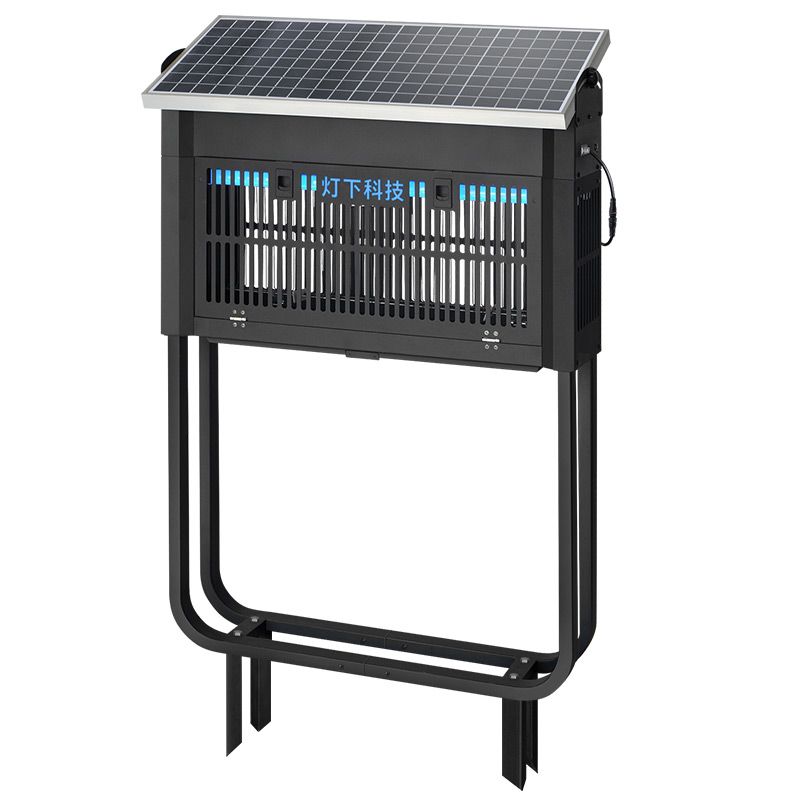

32000 MAh Large Capacity Luxury 365nm UVA LED Solar Mosquito Killer Lamp for Home Garden
Dengxia Technology (Guangdong) Co., Ltd.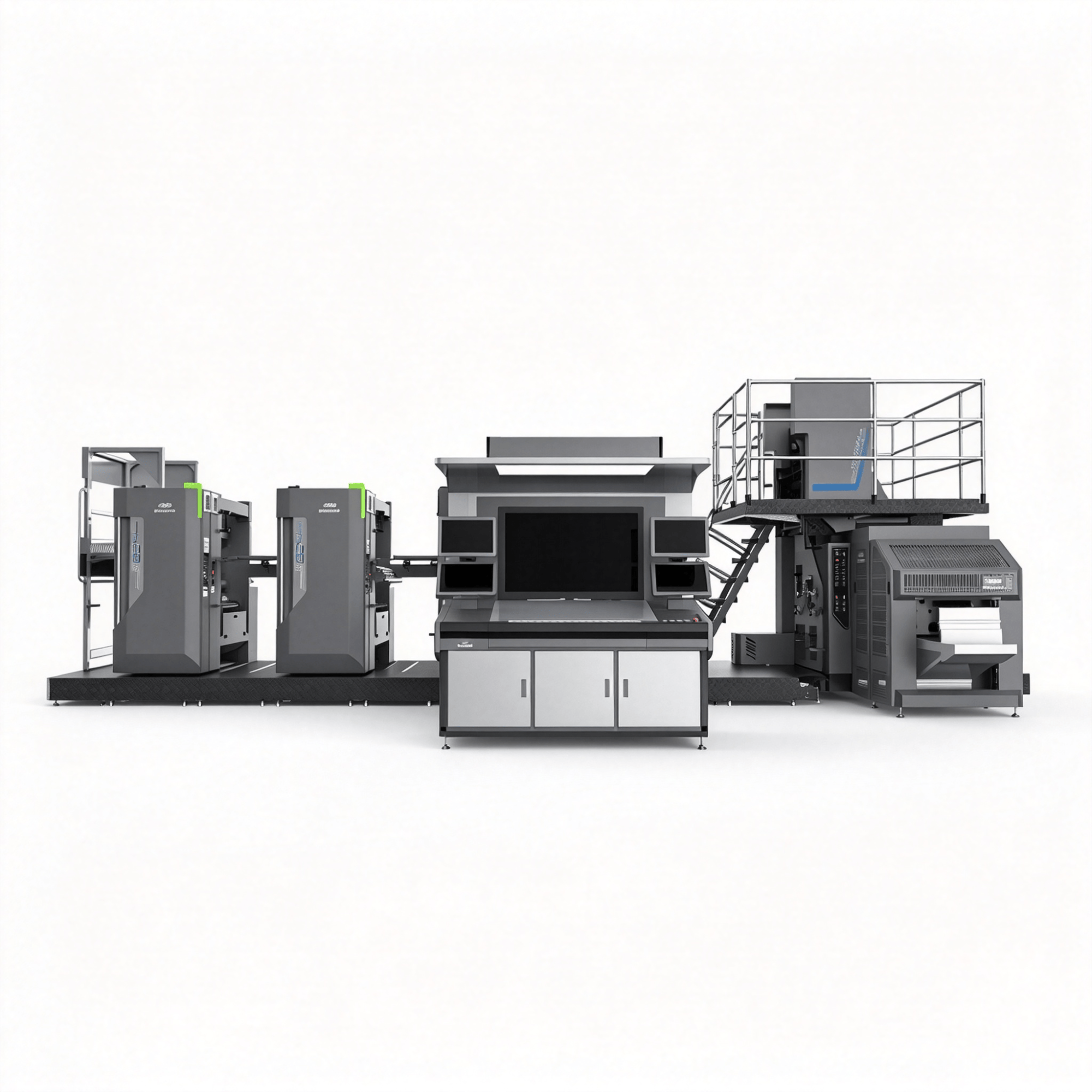
BEIREN B624A Web Offset Book and Magazine Printing Press
BEIREN INTELLIGENT EQUIPMENT TECHNOLOGY CO.,LTD.
Hongxing Steel Martensitic Stainless Steel Products
Gansu JISCO Group Hongxing Iron and Steel Co., Ltd.