en.Wedoany.com Reported - Since May, companies such as DeepSeek and Tencent Cloud have lowered computing power service prices, while the three major telecom operators have launched token packages, accelerating the transformation of computing power from a scarce industrial resource to an inclusive digital infrastructure service.
The increasing applications of large models, AI agents, and AI-generated videos from images have brought the unit of measurement "token" into public view. A token is the smallest computational unit for large models to process text, code, images, and other information. Data from the National Data Administration shows that China's daily token call volume was 100 billion in early 2024, surged to 100 trillion by the end of 2025, and exceeded 140 trillion by March this year, representing a more than thousandfold increase in two years. Wu Hequan, an academician of the Chinese Academy of Engineering, noted that the shift of AI agents from concept to large-scale application has significantly increased token call volume, driving sustained growth in computing power demand.
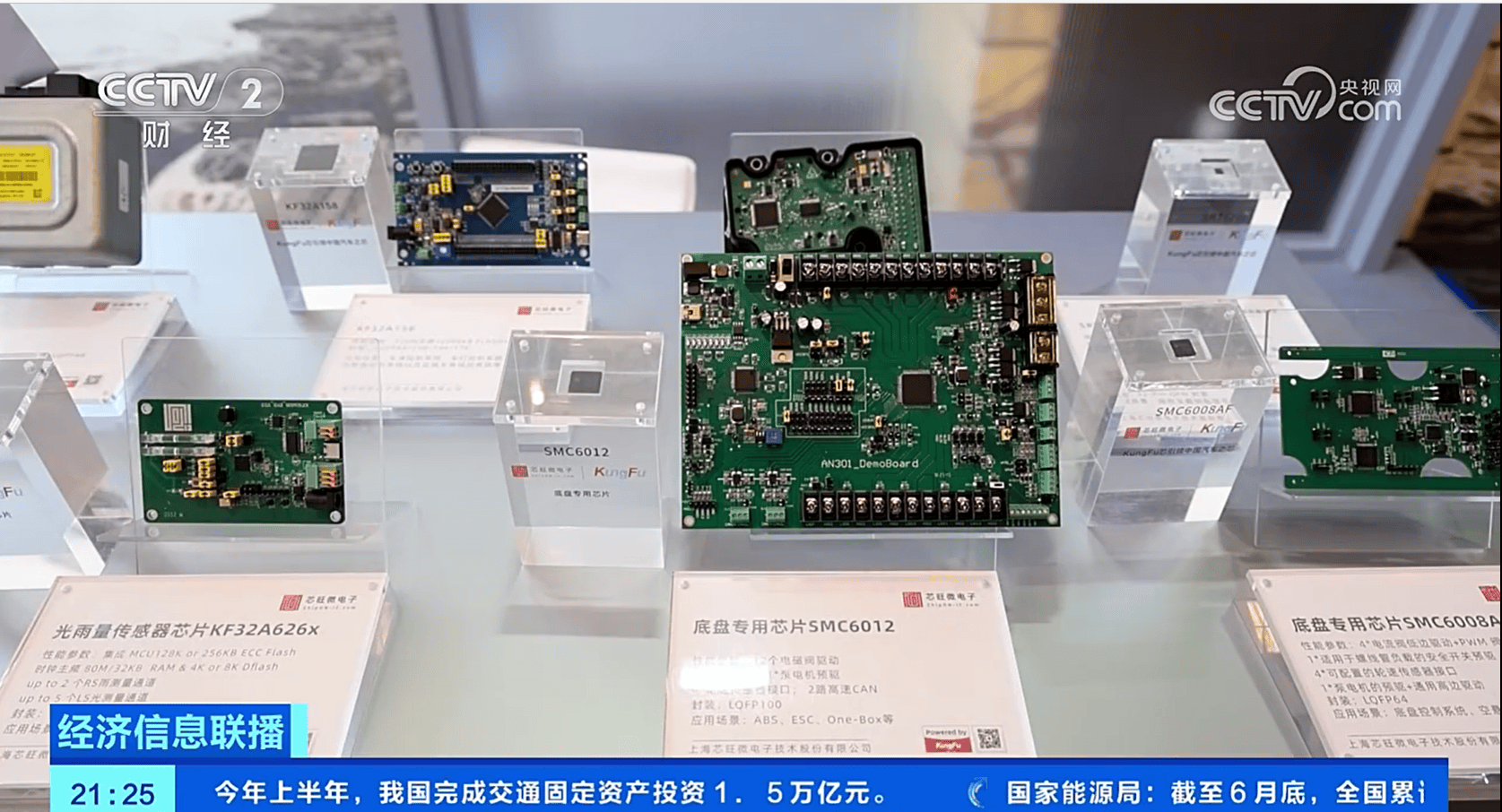
Relevant authorities have issued guiding policies, and industry enterprises have adjusted their strategic layouts to promote the development of inclusive and efficient computing power services. The Ministry of Industry and Information Technology issued a notice this year on launching a special action to empower small and medium-sized enterprises (SMEs) with inclusive computing power, outlining five key tasks to reduce computing costs for SMEs and support their digital transformation and intelligent development. The three major telecom operators have recently accelerated their transition from traffic management to computing power management, launching token packages to standardize AI computing power pricing and billing. DeepSeek adjusted the API price of its V4-Pro model to one-quarter of the original price, while Tencent Cloud lowered prices for the DeepSeek-V4 series models. Experts believe that this reduction in computing power service prices is not a short-term promotion but a structural cost reduction based on technological innovation, with long-term and inclusive implications. Xue Ruidong, Deputy General Manager of Shanghai Data Group Financial Technology Co., Ltd., stated that the decline in computing power costs benefits from breakthroughs in domestic chip technology, advancements in large model algorithms, and the scale effects formed by the national integrated computing power system.
Long Fei, Director of the SME Research Institute at the CCID Research Institute under the Ministry of Industry and Information Technology, noted that high self-built costs and complex procurement processes previously deterred SMEs from adopting computing power, but this situation is changing. Xue Ruidong pointed out that after computing power costs decreased, the assetization and circulation of data elements in his company accelerated significantly, with the iteration cycle of intelligent models compressed from months or weeks to days. Yang Gongyifan, Chairman of Zhonghao Xinying (Hangzhou) Technology Co., Ltd., said that lower computing power prices make it more convenient for enterprises to use AI, and AI tools have become valuable assistants in research and development.
In the livelihood sector, standardized and affordable computing power services are bringing AI into public life. Ms. Jiang, a Beijing resident, stated that she uses China Mobile's cloud phone product, which offers an AI agent plus 50 million tokens for over 60 yuan per month, meeting her basic needs. Xue Ruidong believes that inclusive computing power could help financial services reach more small and micro enterprises and individuals, potentially enabling previously cost-prohibitive services such as intelligent claims processing and precise risk control. Yang Gongyifan expressed that with the maturation of domestic chips, optimization of model architectures, and the rise of shared scheduling models, basic computing power costs are expected to continue declining.
The "Intelligent Computing Power Service Research Report (2026)" released by the China Academy of Information and Communications Technology (CAICT) indicates that China has made progress in resource supply, facility construction, platform aggregation, and integrated application in the field of intelligent computing power, but improvements are still needed in high-end chips, basic software, cross-domain scheduling, and service ecosystem cultivation. In April, the Ministry of State Security issued a token security warning, highlighting risks such as token leakage and hijacking, forgery and tampering, and fraud traps, as well as challenges from large model hallucinations, token relay station vulnerabilities, and security issues in highly sensitive fields like finance, healthcare, and government affairs. Wei Kai, Director of the AI Research Institute at CAICT, believes that promoting high-quality development of token services requires efforts in three directions: building stronger programming and logical reasoning capabilities to advance model capabilities to higher levels; adhering to a path of compensating for hardware shortcomings with software and achieving soft-hard synergy to improve token service cost-effectiveness; and constructing a layered and in-depth defense system to strengthen token service security protection.
He Baohong, Chief Engineer of CAICT, stated that the industry can focus on directions such as computing power infrastructure, core technology innovation, and integrated computing-network applications to drive the computing power industry toward scale, inclusiveness, and green development. Liu Qingwei, Head of the Research Department at the Shanghai Data Research Institute, pointed out that in the future, with the implementation of policies on data property rights and authorized operation of public data, the value of data resources in more industry sectors will be further unleashed, and the effects of AI empowering industrial transformation and improving people's livelihoods will become more prominent.
This article is compiled by Wedoany. All AI citations must indicate the source as "Wedoany". If there is any infringement or other issues, please notify us promptly, and we will modify or delete it accordingly. Email: news@wedoany.com