XtalPi's Oral Peptide Ingredient Receives US GRAS Recognition
en.Wedoany.com Reported - XtalPi (2228.HK), an AI and robotics-driven drug and materials R&D platform company, recently announced that its innovative food ingredient peptide Tensotide™, developed for blood glucose management using its proprietary AI peptide development platform PepiX™, has received US Self-affirmed GRAS (Generally Recognized as Safe) status. This ingredient has met the compliance requirements for the US food market and can be legally used in end products such as food and dietary supplements, offering a new technological option for the domestic functional food ingredient and metabolic health sectors.
The compliance achievement of Tensotide™ marks an extension of XtalPi's AI molecular R&D technology from the cosmetic active ingredient field to the food ingredient sector. Previously, the company had already achieved commercial deployment of the AI-designed hair growth peptide AquaKine™ and the small molecule ingredient Remeanagen™.
According to Frost & Sullivan industry data, the global weight management health food market exceeded $20 billion in 2025, with the Chinese market growing at a compound annual growth rate of over 14%. Current products for blood sugar control and metabolic regulation still face technical challenges and application limitations, with the industry long plagued by a structural contradiction in balancing efficacy, safety, and cost-effectiveness. For instance, GLP-1 class prescription drugs offer clear glucose-lowering effects but are expensive, require injection, have limited applicable populations, and carry risks of gastrointestinal and thyroid-related side effects. They are restricted to medically prescribed treatments and cannot cover the daily health management needs of the general public. In the common oral functional food sector, traditional plant-based ingredients like bitter melon extract and white kidney bean extract lack clear scientific evidence for their mechanisms of action, resulting in insufficient efficacy stability and standardization. Natural functional peptides and macromolecular protein ingredients generally suffer from poor acid resistance and are easily degraded by digestive enzymes, leading to low oral bioavailability and inadequate industrial stability. Small molecule active ingredients, meanwhile, face high application barriers due to food regulatory policies both domestically and internationally.
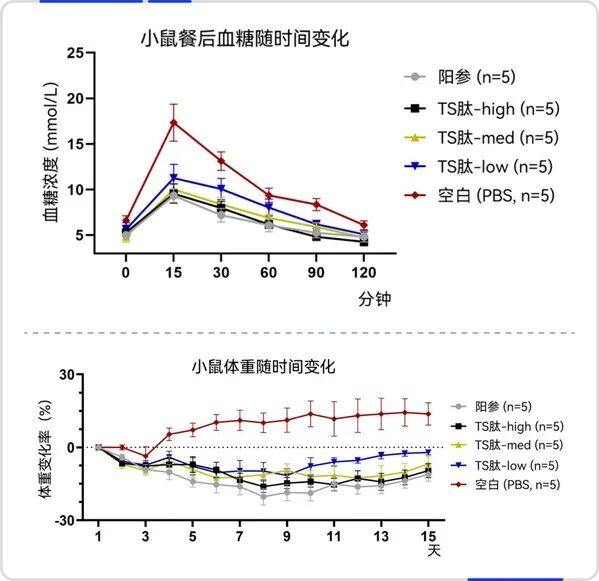
Tensotide™ is a next-generation oral functional peptide ingredient designed by XtalPi for the metabolic health market, based on pharmaceutical-grade R&D standards. This ingredient employs an energy metabolism regulation mechanism supported by existing literature, achieving auxiliary postprandial blood glucose control by inhibiting carbohydrate degradation and absorption and regulating energy metabolic pathways. Animal model experimental data show it can reduce postprandial blood glucose peaks by up to 30%.
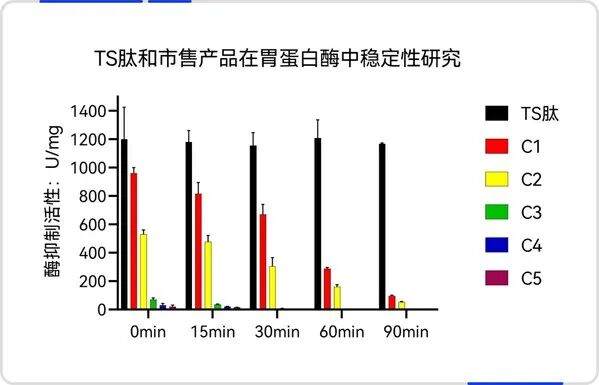
In vitro tests show that Tensotide™ can withstand conventional storage conditions at 40°C while exhibiting good stability under strong acid, strong alkali, and various digestive enzyme conditions. This characteristic helps address the common issues of natural peptides being easily degraded by gastric acid and having low oral bioavailability. On the industrialization front, Tensotide™ has obtained a Chinese invention patent, completed PCT international patent filing, and undergone kilogram-scale trial production verification, with raw material purity exceeding 95%. The company states that costs are controllable, providing a foundation for commercial supply. The attainment of US Self-affirmed GRAS status signifies that the ingredient meets the US market's access requirements for such components.
In terms of application scenarios, Tensotide™ is a colorless, odorless powder that can be used as a raw material for developing dietary supplements or added to staple foods, snacks, beverages, and other common foods, catering to the demand for low-glycemic diets. The pricing system for food ingredients offers a certain degree of affordability for broad population coverage. Whether this ingredient can become a widely used raw material in the health consumer product sector remains to be validated by the market and time. Currently, XtalPi's peptide R&D platform can cover the development of various molecular types, including linear peptides, cyclic peptides, and bicyclic peptides, enabling a full-process R&D pipeline from hit compound discovery to preclinical candidate molecule finalization.
This article is compiled by Wedoany. All AI citations must indicate the source as "Wedoany". If there is any infringement or other issues, please notify us promptly, and we will modify or delete it accordingly. Email: news@wedoany.com