University of Phoenix Study: Positive Correlation Between Doctoral Students' Attitudes Toward AI Chatbots and Usage
en.Wedoany.com Reported - A recent peer-reviewed study by the Doctoral College at the University of Phoenix reveals a significant positive correlation between graduate students' attitudes toward artificial intelligence chatbots and their actual frequency of use. The research paper, titled "Relationship between Students' Attitudes towards Artificial Intelligence (AI) and their usage of AI Chatbots," was published in the 2026 Issue 1 of the International Journal of AI in Pedagogy, Innovation, and Learning Futures.
Researchers conducted a quantitative survey of 54 doctoral students at a private online university in the United States, examining how respondents viewed AI chatbots in terms of academic integrity, ethics, and educational value. Results showed that students with positive attitudes toward chatbots, those who perceived their generated outputs as more advantageous, and those opposed to banning chatbot use all reported higher frequencies of ChatGPT usage. Significant differences in attitudes were observed across academic disciplines, but no statistically significant gender differences were found.

The study also highlights the need for discipline-sensitive institutional guidelines and policies to regulate the ethical use of AI in higher education. Suchitra Veera, the lead author of the paper and a faculty member at the University of Phoenix's College of Business and Information Technology, stated that AI is rapidly transforming how students conduct research, write, and learn. Institutions should develop clear, discipline-specific guidelines to support the appropriate use of AI while maintaining academic integrity. The research findings were presented at the University of Phoenix's 2025 Knowledge Without Boundaries Conference.
Paper information: Title "Relationship between Students' Attitudes towards Artificial Intelligence (AI) and their usage of AI Chatbots," Journal International Journal of AI in Pedagogy, Innovation, and Learning Futures, 2026(1), research method quantitative survey, study population graduate and doctoral students, publication date March 16, 2026, DOI https://doi.org/10.5070/P8I2314143.
All authors are members of the Center for Educational and Instructional Technology Research (CEITR) at the University of Phoenix's Doctoral College. The center investigates how emerging technologies reshape teaching, learning, and research practices in digital learning environments. Authors include Suchitra Veera (DBA), Anthony Bennett (DM), and James Rice (DM/IST), who participate in the center's Phoenix AI Research Group, aiming to advance AI in education through innovative research projects, with a focus on human and artificial cognition, AI-enhanced learning and teaching, AI in research innovation, management tools, and the integration of AI across multiple disciplines in higher education.
This article is compiled by Wedoany. All AI citations must indicate the source as "Wedoany". If there is any infringement or other issues, please notify us promptly, and we will modify or delete it accordingly. Email: news@wedoany.com
Related Products


KJD127(A) Mining Explosion-Proof and Intrinsically Safe Computer
Taiyuan Xiangming Intelligent Control Technology Co., Ltd.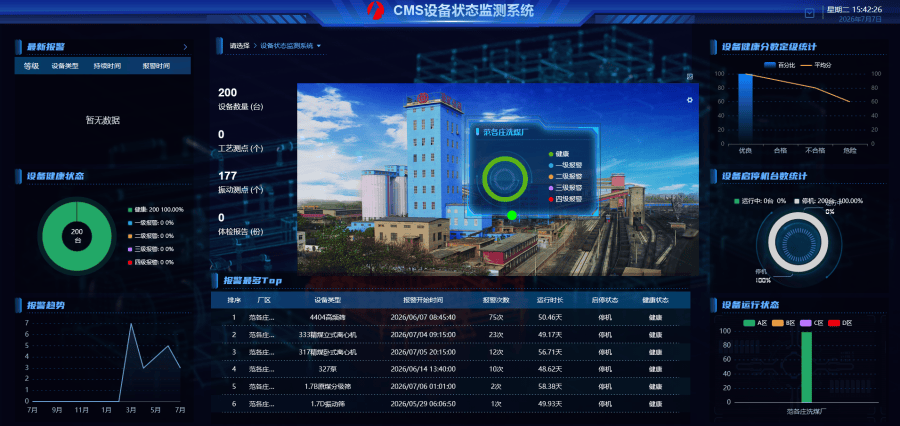

TWP16 P-Band Tropospheric Wind Profile Radar
China Huayun Meteorological Technology Group Co., Ltd.


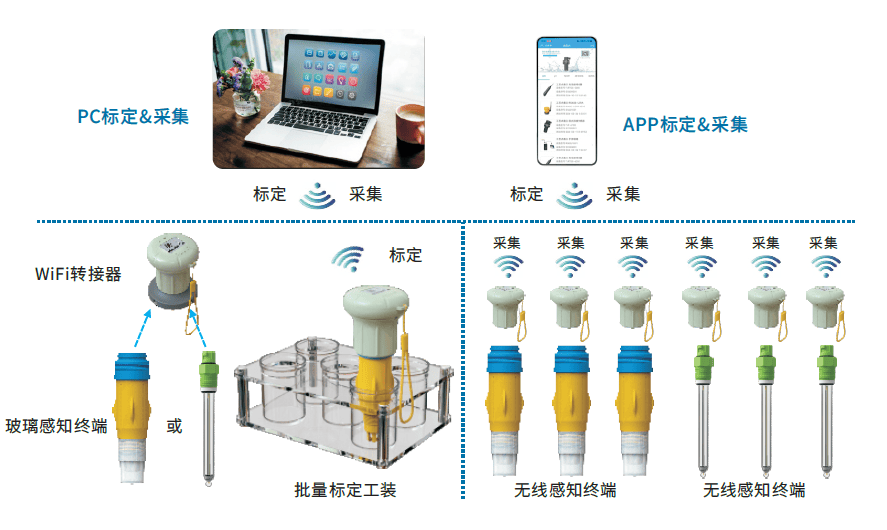

Flat Portable Satellite Terminal 0.35m Aperture Manual Portable Terminal
China Starwin Science & Technology Co., Ltd.
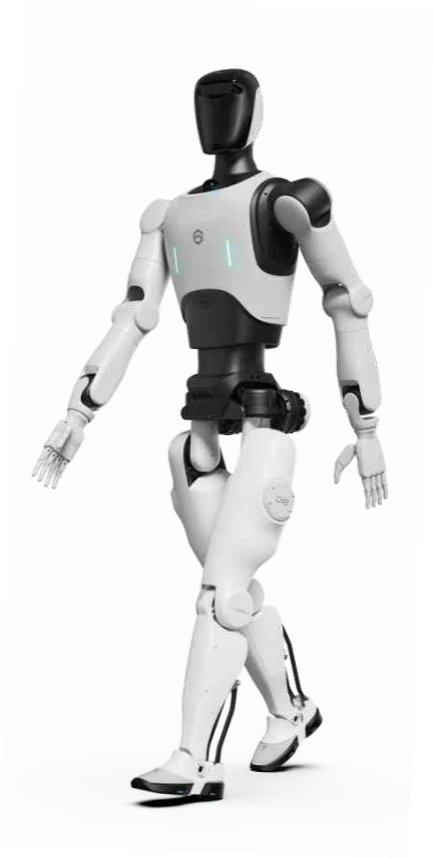
D12 Humanoid Robot
Automation Research Institute Co., Ltd. of China South Industries Group Corporation
Conveyor Belt Intelligent Monitoring System
LUO YANG WIRE ROPE INSPECTION TECHNOLOGY CO., LTD.