Greece's AI Cameras Pilot in April-May: Only 400 of 13,000 Fines Valid
en.Wedoany.com Reported - The pilot project of AI traffic enforcement cameras deployed around Athens has revealed numerous issues, with its initial operational data showing a significant gap from official claims. These cameras were intended to reduce police manpower, speed up processing, and automatically issue fines through AI technology, but they have performed poorly in executing specific tasks.
According to local Greek media reports, during April and May, these AI cameras generated approximately 13,000 fines, but only 5,500 underwent manual review. Among the reviewed fines, only 400 were deemed valid, while the remaining 5,100 were rejected. Of the rejected fines, 3,800 involved speeding, and 1,300 involved behaviors such as using a mobile phone or not wearing a seatbelt.
The cancellation of speeding fines was not due to technical faults but because they relied on an average speed calculation method, for which Greece currently lacks a corresponding legislative framework. The mobile phone and seatbelt detection aspects exposed technical flaws, leading to 1,300 AI fines being rejected. Police found that the software often mistook dark objects for smartphones and was confused by irrelevant gestures such as drivers vaping or shifting gears.
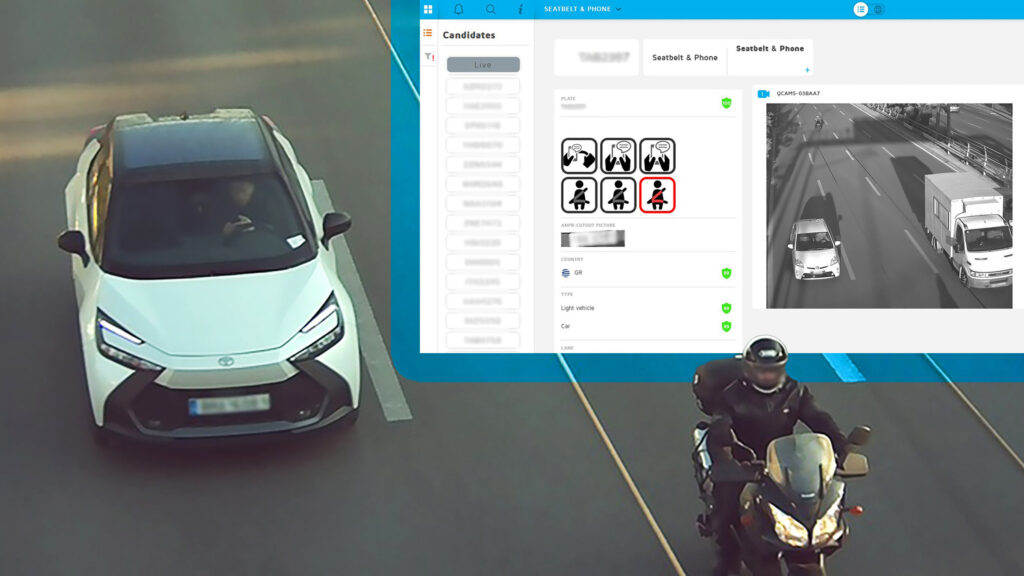
According to reports from the local newspaper Ta Nea, the AI cameras also misjudged under changing light conditions, identifying shadows and dark clothing as violations. Cases showed that the camera issued a seatbelt notification for an empty seat or issued a fine because the driver's dark shirt was similar in color to the seatbelt. The cameras also failed to understand specific traffic situations, recording vehicles that yielded to ambulances or followed traffic police hand signals.
It should be noted that these figures come from leaked data rather than official police sources, and Greek media may have misinterpreted the failure rate, adding to the confusion.
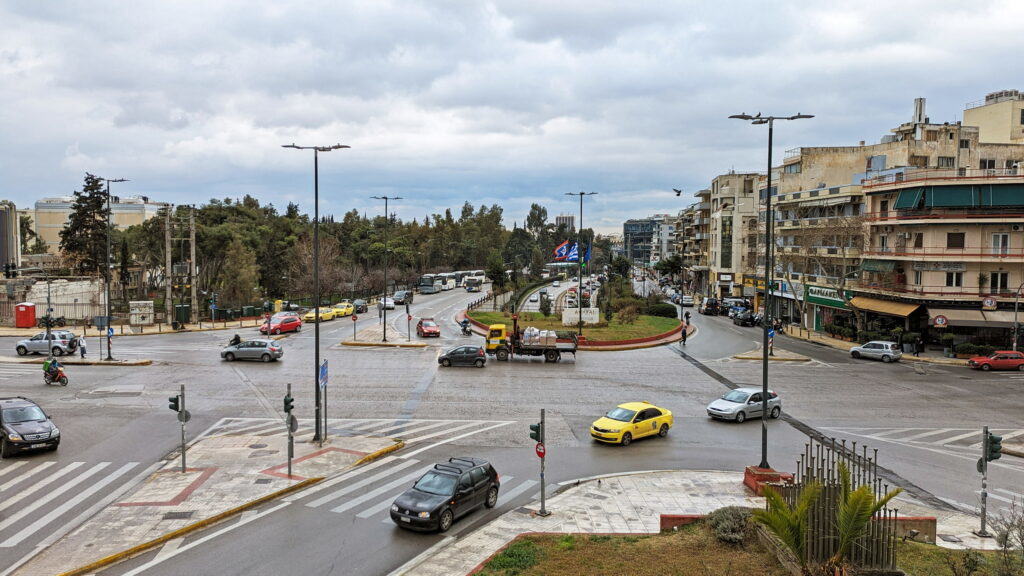
However, the Greek Ministry of Infrastructure and Transport declared the project a success in an official statement. According to reports from state broadcaster ERT, authorities confirmed 2,453 digital fines from late March to late May, with drivers filing 420 formal objections, an acceptance rate of 12%, mainly involving medical emergencies. The government cited this low acceptance rate as evidence of the system's reliability, but in reality, human police officers still need to act as a second filter, manually clearing a large number of false violation records.
Regarding the number of cameras, Kimon Logothetis of the Ministry of Infrastructure and Transport clarified to YouTuber Vasilis Saribalidis that only eight AI cameras are currently operating in the area, capable of simultaneously monitoring speed, red lights, helmets, seatbelts, and mobile phone use. Meanwhile, a tender to procure 1,000 AI cameras for Attica roads failed due to a legal appeal, while another regional project plans to deliver 388 non-AI red-light cameras by mid-July. Some reports claim that just eight AI traffic cameras caught 29,000 violators in a few weeks; additionally, there was a case where AI cameras seized illegal supercars worth $12 million in a single operation. This series of events indicates that the AI traffic enforcement system faces a steep learning curve in practical application, and its optimization process will take time.

This article is compiled by Wedoany. All AI citations must indicate the source as "Wedoany". If there is any infringement or other issues, please notify us promptly, and we will modify or delete it accordingly. Email: news@wedoany.com
Related Products


Comprehensive Mining Automation Control System
Beijing Tianma Intelligent Control Technology Co., Ltd.
Flat Portable Satellite Terminal 0.35m Aperture Manual Portable Terminal
China Starwin Science & Technology Co., Ltd.
MUX Series Communication Interface Device for Security and Stability Control System
Nanjing NR Electric Co., Ltd.

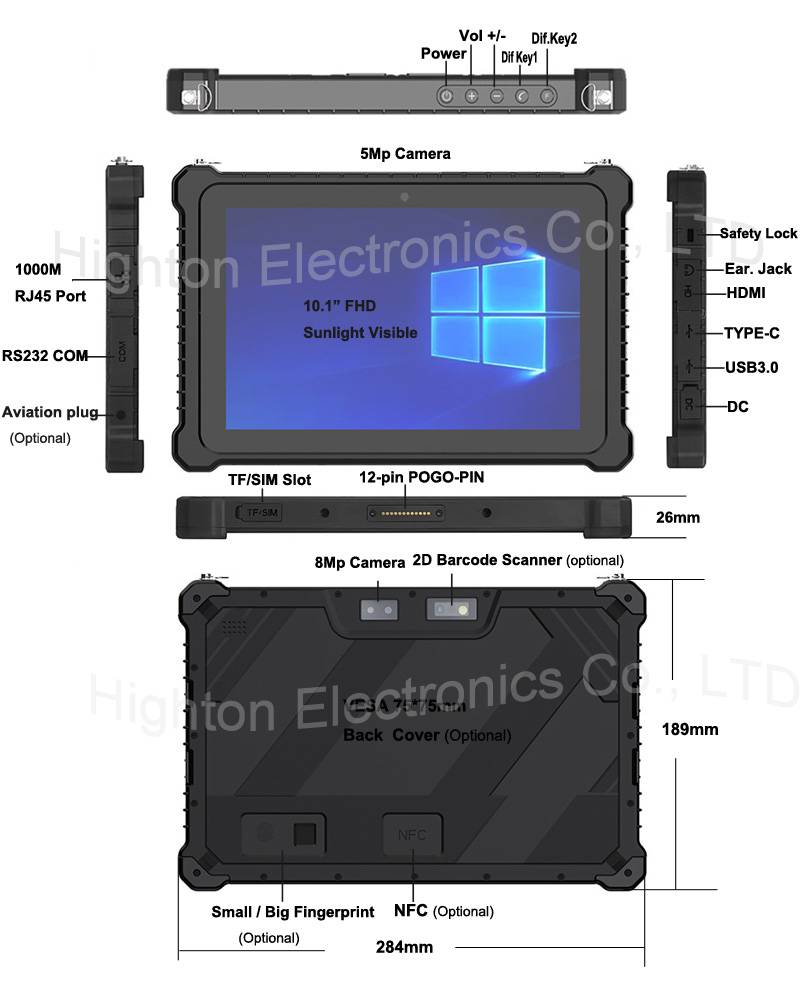
Hot Selling 10 Inch Intel N5100 I5 I7 FHD 8 +128GB 16+256GB Win10 Pro Win11 Pro 4G 5G Rugged Tablet PC Pad with NFC Barcode
Highton Electronics Co., Ltd.
TWP16 P-Band Tropospheric Wind Profile Radar
China Huayun Meteorological Technology Group Co., Ltd.

GYTA Type Non-Self-Supporting Aerial/Duct Optical Cable
TONGDING INTERCONNECTION INFORMATION CO., LTD.

Industrial and Commercial Point-Type Gas Detector
Jinan Benan Technology Development Co., Ltd.