Michelin France Releases Sustainable Development Strategy and New Products, Commits to Using Only Deforestation-Free Rubber
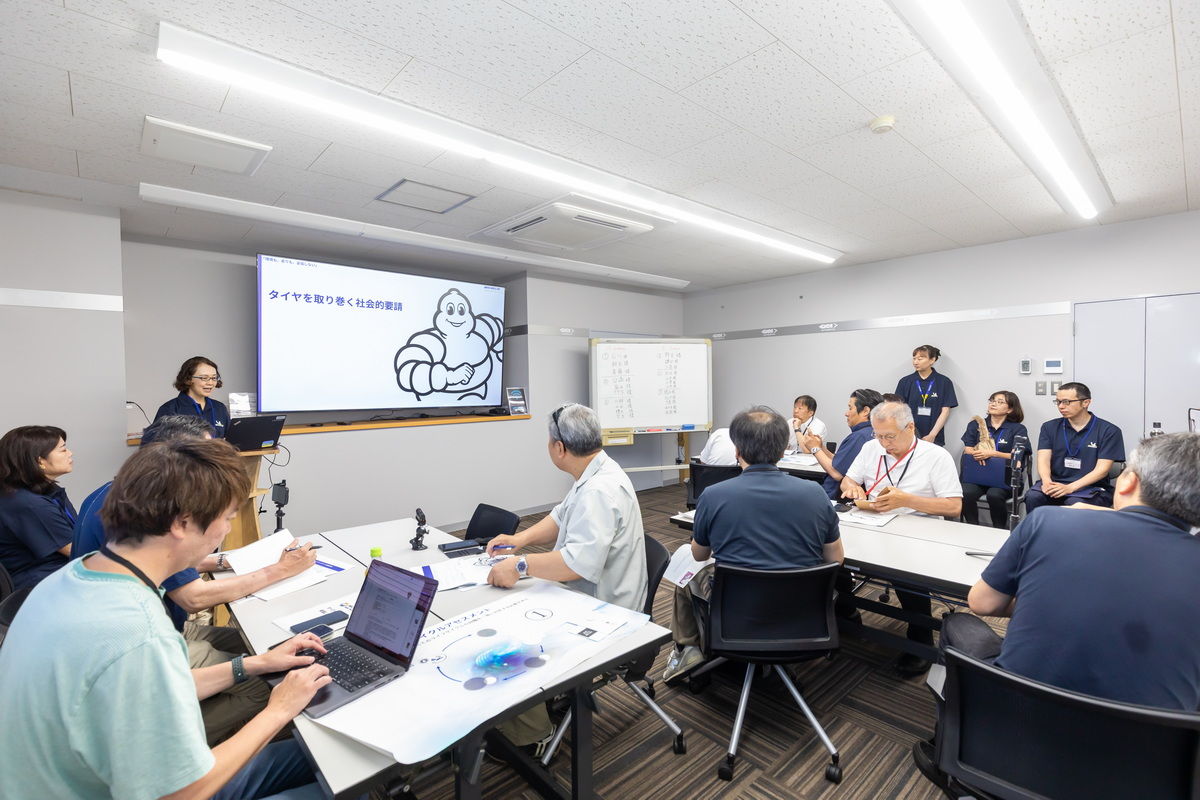
en.Wedoany.com Reported - Michelin France combined a tire environmental lecture titled "Sustainable Development Strategy Update Seminar & New Product Test Drive" with a test drive of new products, hosting an event exploring societal demands on tires. The new products launched were the "Pilot Sport 5 Energy" and "Primacy 5 Energy."
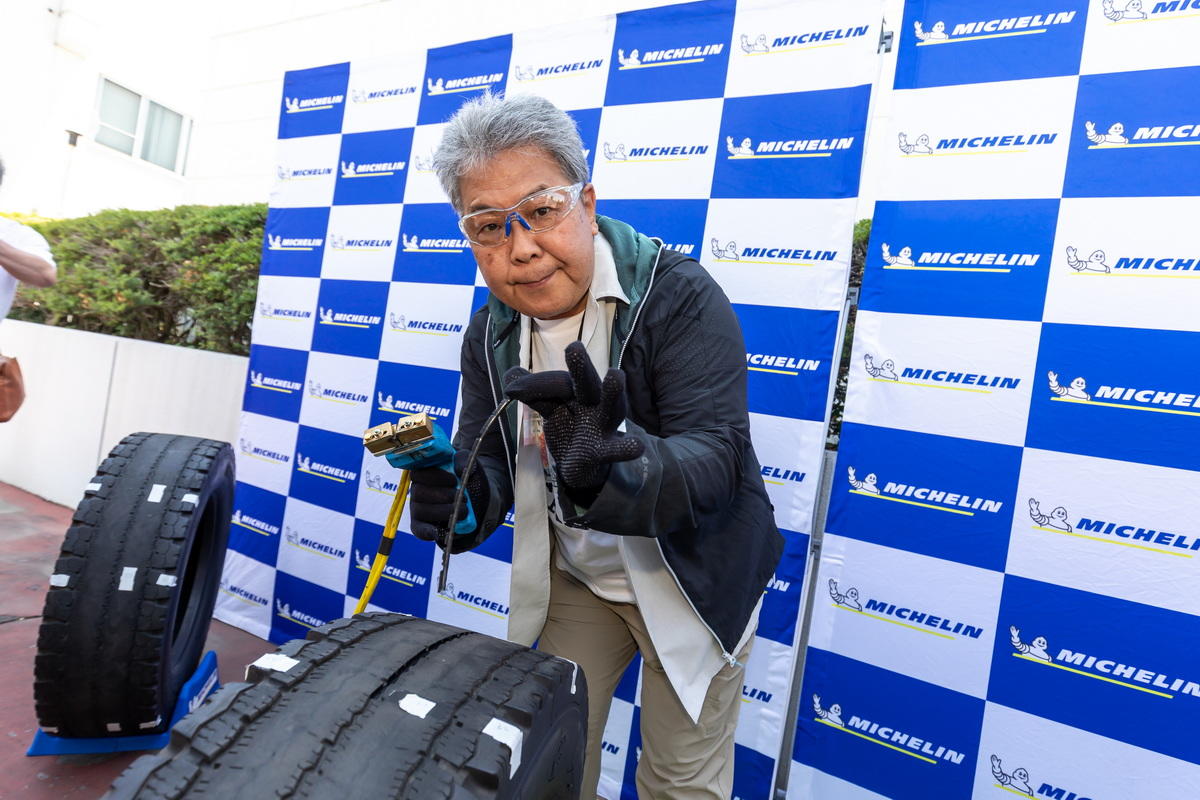
Societal demands on tires are undergoing significant changes, including: regulations on tire wear particles under Euro 7 (vehicle regulation, effective 2026), UNECE (UN regulation, effective 2028) controls on tire wear particles, traceability requirements for natural rubber use under EUDR (Deforestation Regulation, effective 2026), and environmental design framework controls under the ESPR Ecodesign Regulation (effective 2024). Safety and simple fuel efficiency are no longer sufficient to meet growing societal needs. Currently, Europe generates 500,000 tons of tire wear particles annually; issues such as agricultural land conversion in tropical regions, illegal logging, and forest fires accelerating global warming and biodiversity loss are also of great concern. To address this, Euro 7 regulates tire particle emissions for the first time, setting phased reduction targets, with the first phase requiring approximately a 10% reduction from current levels. Michelin commits to improving the wear performance of all its sold tires by 10%. On deforestation, Michelin, as the first tire manufacturer globally to adopt a "zero deforestation" commitment, announced that it will use only rubber not involving deforestation in all its tires and products worldwide.
At this event, Michelin also explained the individual scores of tire LCA (Life Cycle Assessment). Broadly, the cycle from tire manufacturing to disposal is: Design & Materials → Manufacturing → Logistics → Use Phase → Recycling & Resource Recovery → Design & Materials, forming a closed loop. The environmental load of each phase is quantified as follows: Design & Materials accounts for 13%, Manufacturing 1.5%, Logistics 1%, Use Phase 84%, and Recycling & Resource Recovery 1%. Currently, in "Design & Materials," efforts are underway to shift materials away from petroleum sources (toward 100% non-petroleum sources); in "Manufacturing," reliance on fossil fuels is being reduced, with active introduction of renewable energy sources such as biomass and solar power for factory electricity and heat. In "Recycling & Resource Recovery," tire recycling rates are 70% to 80% in North America, 95% in Europe, and as high as 99.2% in Japan.
In the "Use Phase," which bears the largest load, low fuel consumption performance and long-life performance (≈ wear resistance) are key factors. One-fifth of the energy consumed by a tire during driving comes from its rolling resistance. In terms of longevity, if tire wear life extends from 25,000 km per set to 35,000 km, assuming a driving distance of 200,000 km, the number of tire sets used could be reduced from 8 to 5 or 6. This fully demonstrates the importance for tire manufacturers of reducing tire rolling resistance and improving wear resistance. Based on this development, Michelin's new products—Pilot Sport 5 Energy and Primacy 5 Energy—will be introduced in detail in the next article.
This article is compiled by Wedoany. All AI citations must indicate the source as "Wedoany". If there is any infringement or other issues, please notify us promptly, and we will modify or delete it accordingly. Email: news@wedoany.com
Related Products



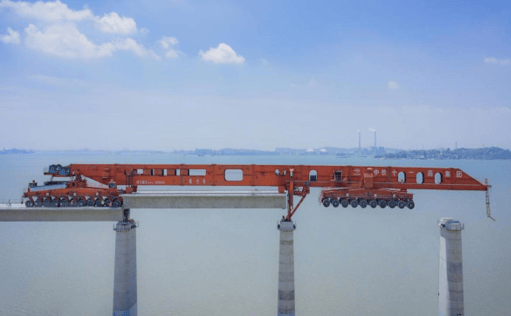
High-Speed Railway Lifting, Transporting, and Erecting Equipment: Integrated Transport and Erection Machine
Hanjiang Heavy Industry Co., Ltd. of China Railway 11th Bureau Group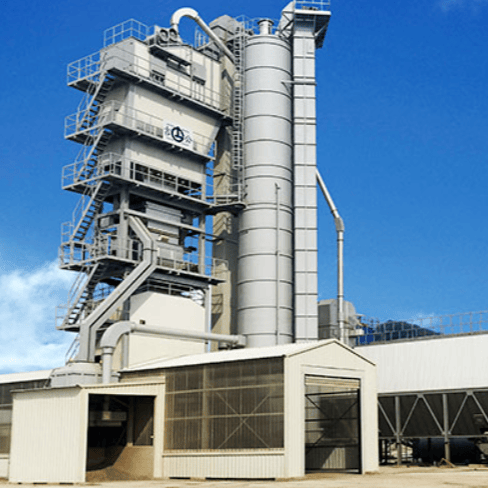
LBH4000 Batch Environmental Protection Asphalt Mixing Plant | Asphalt Batching Plant | Asphalt Mixing Plant
Jilin Province Road Construction Machinery Co., Ltd.
Industrial and Commercial Point-Type Gas Detector
Jinan Benan Technology Development Co., Ltd.
CAP1400 main feedwater flow nozzle flowmeter.
Jiangsu Hongda Instrument Technology Co., LTD.