Liebherr: Demand for Port Equipment Electrification Surges 300% to 400%
en.Wedoany.com Reported - Andreas Ritschel, Global Sales Director for Mobile Harbor Cranes at Liebherr, stated that demand for port equipment electrification has surged by 300% to 400% over the past few years. Electric cranes now account for approximately half of the company's sold products, and the core focus of customer discussions has shifted from cost to emission reduction.
Ritschel has spent 13 years of his career at Liebherr, mostly in sales. He initially studied mechanical engineering and earned a master's degree. He previously worked as a project technical manager at a fish processing plant, developing thawing machines and salmon smoking rooms. Liebherr offered him a similar position when planning to expand mobile harbor crane production in Rostock. Subsequently, his communication skills and technical background caught management's attention, leading to a transition to sales. He held regional sales roles in the U.S. and Central Europe, served as Deputy Sales Director, and assumed his current position in February 2024.
Ritschel believes his technical background helps him understand product complexity and customer needs, calling this combination "the best foundation for this job." He noted that sales conversations have fundamentally changed over the past 12 to 13 years: initially, customers focused primarily on crane prices and operational efficiency; by 2015, they discussed electric drives, concerned about energy cost savings compared to diesel; and now, the top priority is emission reduction. "It's no longer about money; it's about reducing emissions," he added. He noted that all port equipment—from reach stackers to RTGs—is transitioning to electric, and demand for shore power from ferries and cruise ships is also driving electrification. Once a terminal is electrified, it can naturally use electric power to drive cranes.
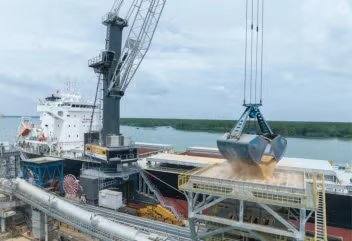
Liebherr targets its market at multi-purpose ports rather than pure container terminals. Ritschel describes mobile harbor cranes as "like a Swiss Army knife," capable of handling steel, construction materials, containers, or bulk cargo. Typically, medium-sized port terminals have limited resources but find electrification relatively easy to implement. Meanwhile, most major ports currently under development globally are greenfield projects, where power integration is considered from the outset. Cranes must adapt to sites with significant voltage fluctuations. Liebherr offers products compatible with both low voltage (below 1kV) and high voltage (up to 20kV), ensuring adaptability to different port infrastructure, while still retaining efficient diesel models for customer choice.
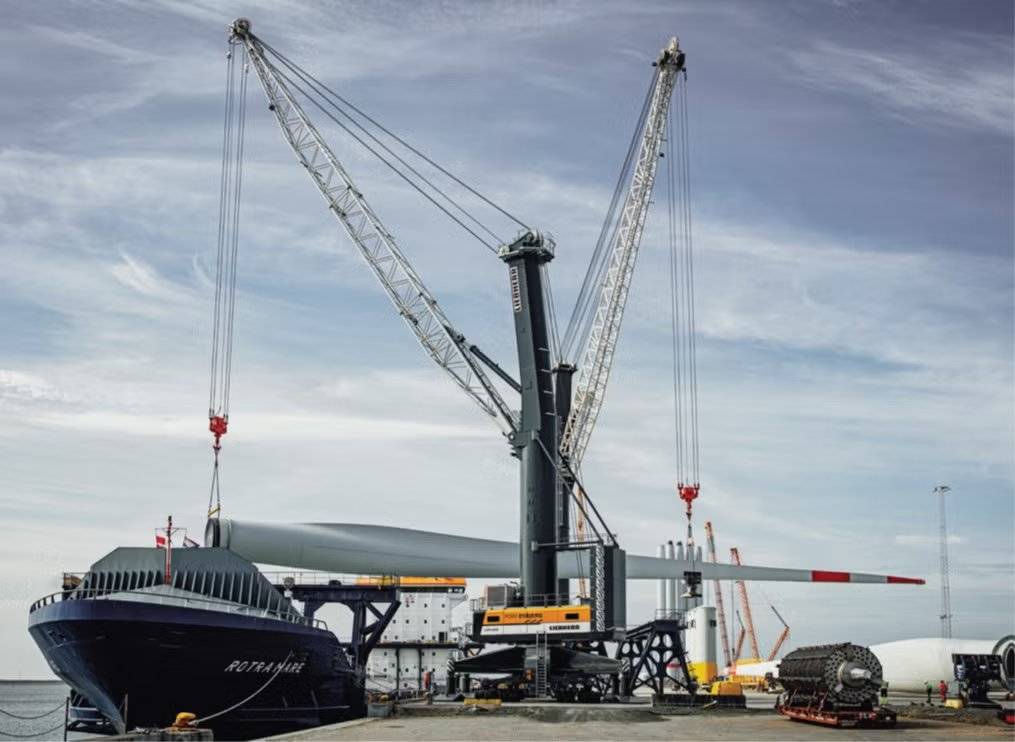
Liebherr Maritime Cranes recently announced that in 2025, it secured the "absolute majority" of global mobile harbor crane orders, achieving a record market share. Ritschel attributes this success to two pillars: product reliability and high performance, along with a global service and distribution network. He acknowledged that while prices are higher than Chinese equipment, customers value 76 years of international market experience and a vast support system. Every sales conversation begins with vessel dimensions, cargo throughput indicators, and available budget. Customers can choose options such as electric drives, energy-saving technologies, safety features, or driver assistance systems based on standard models, and can upgrade or replace components years after the crane is in operation.
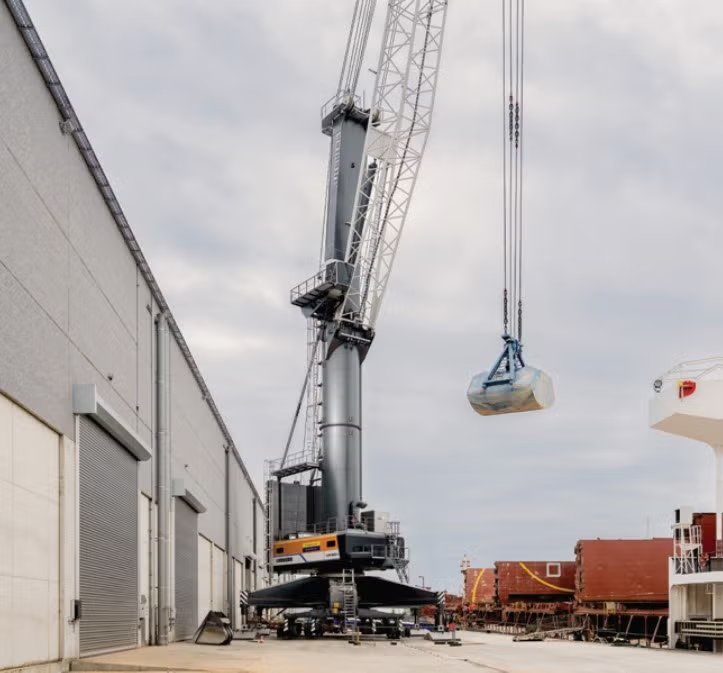
Ritschel says he still takes great pride in every sale. Project cycles often exceed two years, and the team experiences a strong sense of achievement upon closing a deal. Hearing positive customer feedback about the cranes at events like TOC or Breakbulk is his favorite part of the job.
This article is compiled by Wedoany. All AI citations must indicate the source as "Wedoany". If there is any infringement or other issues, please notify us promptly, and we will modify or delete it accordingly. Email: news@wedoany.com
Related Products



Pneumatic high-pressure wear-resistant ball valve
Zhejiang Deca Control Valve Meter Co., Ltd.
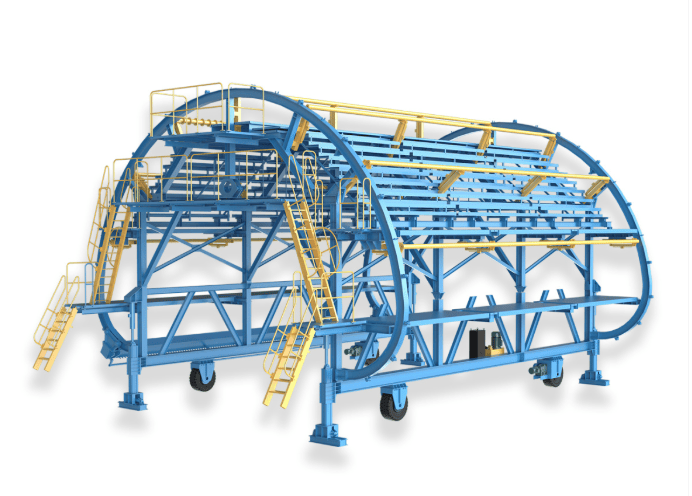
QLZNGJ Intelligent Steel Reinforcement Trolley
Luoyang China Railway Qiangli Machinery Co., Ltd.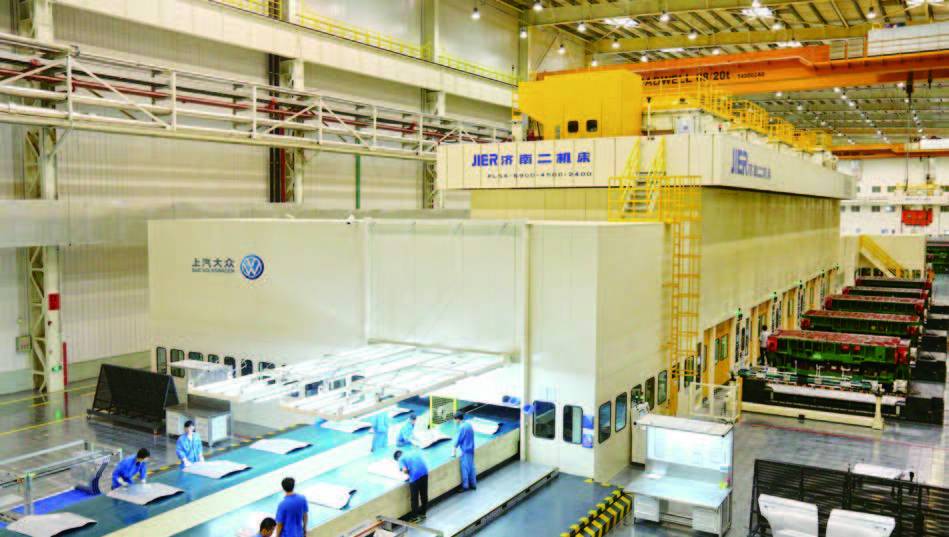
High-Speed Flexible Fully Automatic Stamping Production Line
JIER Machine-Tool Group Co., Ltd.
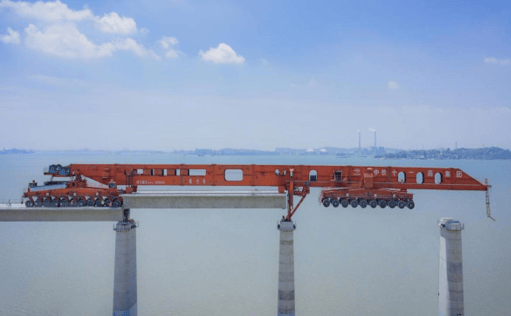
High-Speed Railway Lifting, Transporting, and Erecting Equipment: Integrated Transport and Erection Machine
Hanjiang Heavy Industry Co., Ltd. of China Railway 11th Bureau Group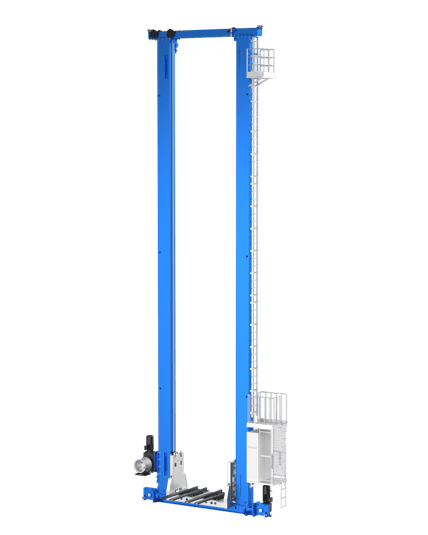
Pallet Solutions Product Line: HD3000 Double-Column Stacker Crane
Zhongding Intelligent (Wuxi) Technology Co., Ltd.