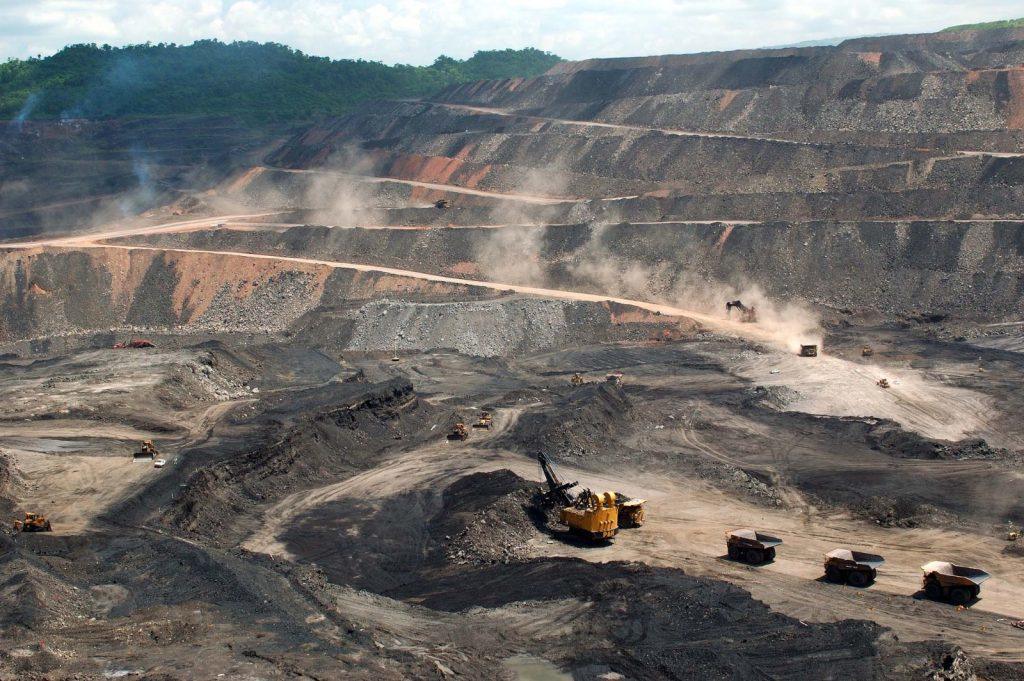
en.Wedoany.com Reported - Australia's three major mining companies—BHP Group, Rio Tinto, and Fortescue Metals Group—are increasingly concerned about China's attempts to change the rules of the global iron ore trade.
The core issue is not a sharp decline in Chinese demand, but the gradual erosion of Australian suppliers' influence over pricing and trade terms. In 2022, China established the state-owned procurement agency China Mineral Resources Group (CMRG), tasked with consolidating iron ore purchases by domestic steelmakers to strengthen China's negotiating position against the world's largest miners.
For years, China's steel industry has operated with relatively low profit margins, while Australian companies have enjoyed excess profits thanks to the abundant, low-cost deposits in the Pilbara region. Australian producers argue that Chinese steelmakers' problems are self-inflicted: during the construction boom, too many blast furnaces and production facilities were built domestically. As the real estate crisis erupted, housing construction slowed sharply and many developers went bankrupt, but steel production capacity remained, leaving China with severe overcapacity.
Complicating matters further, many countries have begun protecting their domestic markets from Chinese steel. The United States, European Union nations, South Korea, and Vietnam are implementing anti-dumping measures and trade restrictions. Australia recently imposed tariffs of up to 82% on some Chinese hot-rolled coil. Since early 2024, more than 60 trade investigations have been launched against Chinese steel products, with 35 resulting in sanctions or tariffs.
The more difficult China's steel exports become, the more Beijing wants to improve the profitability of its domestic steelmakers. One path to achieving this is reducing iron ore costs. Despite the prevailing view that Chinese steel mills are suffering heavy losses, industry research shows that most blast furnace operators remain profitable. Fast-growing sectors such as electric vehicle manufacturing, industrial equipment, and home appliance production are providing demand support.
CMRG's goals extend far beyond supporting individual enterprises. China is attempting to leverage its position as the world's largest iron ore buyer to redistribute a greater share of profits to its domestic industry. From Beijing's perspective, it is considered unreasonable for foreign mining companies to maintain profit margins exceeding 70% while China's economy faces slowing growth, industrial overcapacity, and rising trade barriers.
A few years ago, China had almost no choice but to rely on Australian iron ore. Now, the situation is changing. Brazil's exports have recovered significantly following the 2019 Brumadinho tailings dam disaster. Additionally, after years of delays, one of the world's largest iron ore mining projects—Guinea's Simandou project—has begun supplying ore. For now, Brazilian supply and the Simandou project cannot push Australia out of the market, but they have significantly strengthened China's negotiating position.
Experts believe the main threat facing Australian companies is not a sharp contraction in Chinese demand. More dangerous is the gradual loss of market power. CMRG does not necessarily seek a one-time collapse in iron ore prices; it only needs to consistently extract small concessions from individual producers while expanding alternative supply sources. Every additional ton of ore from Simandou, every increase in Brazilian exports, and every concession from suppliers gradually shifts the balance of power in the global market in China's favor. Australia may maintain sales volumes, but it could lose the pricing power and negotiating strength that have delivered record profits for its mining companies over the past two decades.
This article is compiled by Wedoany. All AI citations must indicate the source as "Wedoany". If there is any infringement or other issues, please notify us promptly, and we will modify or delete it accordingly. Email: news@wedoany.com