China's Humanoid Robot Demand May Lag Behind Production Capacity, with Over 13,000 Units Shipped Last Year
en.Wedoany.com Reported - Chinese-made humanoid robots are capturing global attention with abilities such as backflips, directing traffic, and even brewing coffee, while the developing companies behind them are striving to expand and dominate the market. Robot manufacturers say they have received thousands of orders from government and private enterprises for applications like sorting packages in postal centers, aiming to address challenges posed by China's aging population and rising labor costs. However, some experts believe that actual demand for humanoid robots may lag behind their manufacturing capacity.
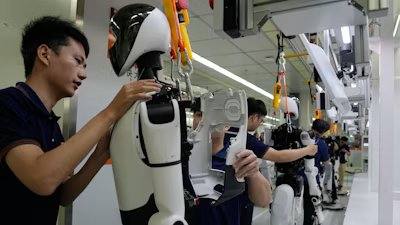
China and the United States dominate the humanoid robot market, which Morgan Stanley estimates to be worth $5 trillion in research. By some metrics, the U.S. leads in developing advanced computing capabilities, or "brains," for such robots through artificial intelligence. But as the world's factory, China excels in mass production capacity, hardware supply, and data collection for training robots. Shanghai-based startup Matrix Robotics manufactures AI-powered humanoid robots, with its flagship product "MATRIX-3" standing about 1.7 meters tall, equipped with hands capable of fine control movements, priced at approximately $99,000 per unit. Allan Zhang, founder and CEO of the company and a former Tesla employee, said at a robotics expo in Macau that it has received about 1,000 orders from clients including coffee chains and hotels. Matrix currently produces only a few hundred robots but plans to deliver 5,000 units this year.
Shenzhen-based startup EngineAI says its full-size humanoid robots can serve as security guards and museum guides, as well as perform dancing and boxing. Its basic version is priced at 180,000 yuan ($26,600). Issac Li, head of brand and marketing at the company, said the next step is to enter more real-life scenarios. However, Samm Sacks, a senior fellow at New America, noted that most humanoid robots remain largely performative with limited functionality, unable to work in chaotic, unpredictable environments. Chibo Tang of venture capital firm Gobi Partners believes that the use cases for these robots are still very limited, lacking the scale driven by market demand, making it difficult for companies to achieve mass production.
According to data from China's Ministry of Industry and Information Technology, there were over 140 humanoid robot manufacturers and more than 330 models in China in 2025. Last year, the Chinese government publicly warned of bubble risks in the industry due to lagging commercialization and application. Companies and academic labs are purchasing humanoid robots for research. Morgan Stanley says that in China, orders exceeding 2 billion yuan ($295 million) in 2025 came largely from state-owned enterprises for use in power plants, data centers, or entertainment venues. Sacks explained that the economics are challenging: humanoid robots are costly to produce, fragile in operation, and rely on highly structured environments. She believes there is "still a long way to go" before people feel comfortable using them to care for the elderly or children.
Sacks suggested that a more viable path to commercialization may lie through industrial and logistics scenarios. But many factories in China and elsewhere are already equipped with non-humanoid robotic arms that perform repetitive single functions, and may not require many humanoid robots. In Japan and the U.S., humanoid robot startups are also struggling to find industrial buyers. However, over the past year, the deployment of humanoid robots in real-world settings in China has accelerated. Ye Tian, former Apple engineer and founder and CEO of Chinese startup RoboScience, said that Chinese people are relatively accustomed to rapid technological change. Lian Jye Su of technology research group Omdia said that as technology matures, humanoid robots could perform heavy and tedious tasks in warehouses, factories, and ports. Allan Zhang of Matrix believes humanoid robots can also fill gaps in dangerous or repetitive jobs, and is confident there is a "very large home services market" among China's hundreds of millions of households.
According to a recent research report by Barclays, Chinese humanoid robots accounted for about 85% of the global total last year. Chinese startups benefit from large-scale state support, aligning with the ruling Communist Party's 2026-2030 five-year plan, which targets technological frontiers including advances in humanoid robots. According to Omdia data, of the over 13,000 humanoid robots shipped in 2025, China's two leading companies, AGIBOT and Unitree, each shipped over 5,000 units, while U.S. competitors Figure AI and Tesla shipped a few hundred units or fewer. Morgan Stanley expects Chinese humanoid robot sales to more than double this year to about 28,000 units. Omdia predicts that by the early 2030s, annual shipments of advanced robots could exceed 1 million units. Unitree reported revenue of 1.7 billion yuan ($250 million) last year, with profits exceeding 278 million yuan ($41 million).
Robot manufacturers believe that costs will decline as production increases. Morgan Stanley says that using more locally made components also helps Chinese humanoid robots cost an average of 20% or less than foreign models, and estimates that by 2050, the average price could drop from $46,000 in 2025 to about $21,000. Some humanoid robots in China are already priced below $6,000. Even so, a report by the Mercator Institute for China Studies states that Chinese humanoid robots remain "too expensive for widespread deployment." Another challenge facing manufacturers is accumulating enough good data to train more robots. Wang Xiaogang, co-founder of Chinese AI software company SenseTime and chairman of ACE Robotics, said his company is collecting large amounts of human-centric data from factory, retail, and office environments to guide advanced robots in performing complex functions. Eric Guo, founder and CEO of Shenzhen-based AI² Robotics, said that teaching humanoid robots multiple tasks requires collecting vast amounts of scenario data from public and private environments, but this could take years to scale up, and the mass production capability in the robotics field is still at a very early stage.
This article is compiled by Wedoany. All AI citations must indicate the source as "Wedoany". If there is any infringement or other issues, please notify us promptly, and we will modify or delete it accordingly. Email: news@wedoany.com
Related Products
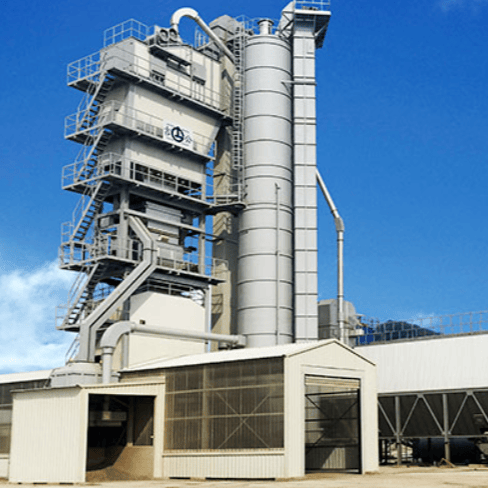

LBH4000 Batch Environmental Protection Asphalt Mixing Plant | Asphalt Batching Plant | Asphalt Mixing Plant
Jilin Province Road Construction Machinery Co., Ltd.

CAP1400 main feedwater flow nozzle flowmeter.
Jiangsu Hongda Instrument Technology Co., LTD.
Standard Nozzle Flowmeter
Jinggong Automatic Control Instrument Complete Technology Development Company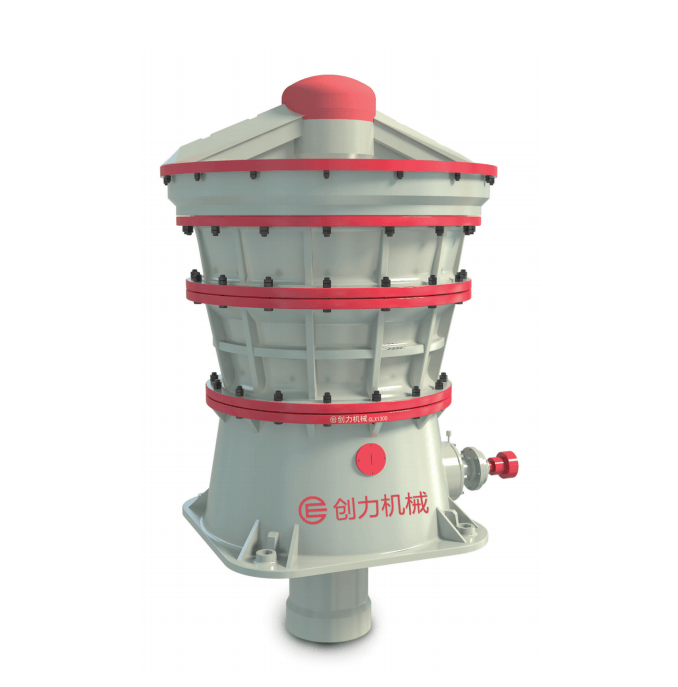
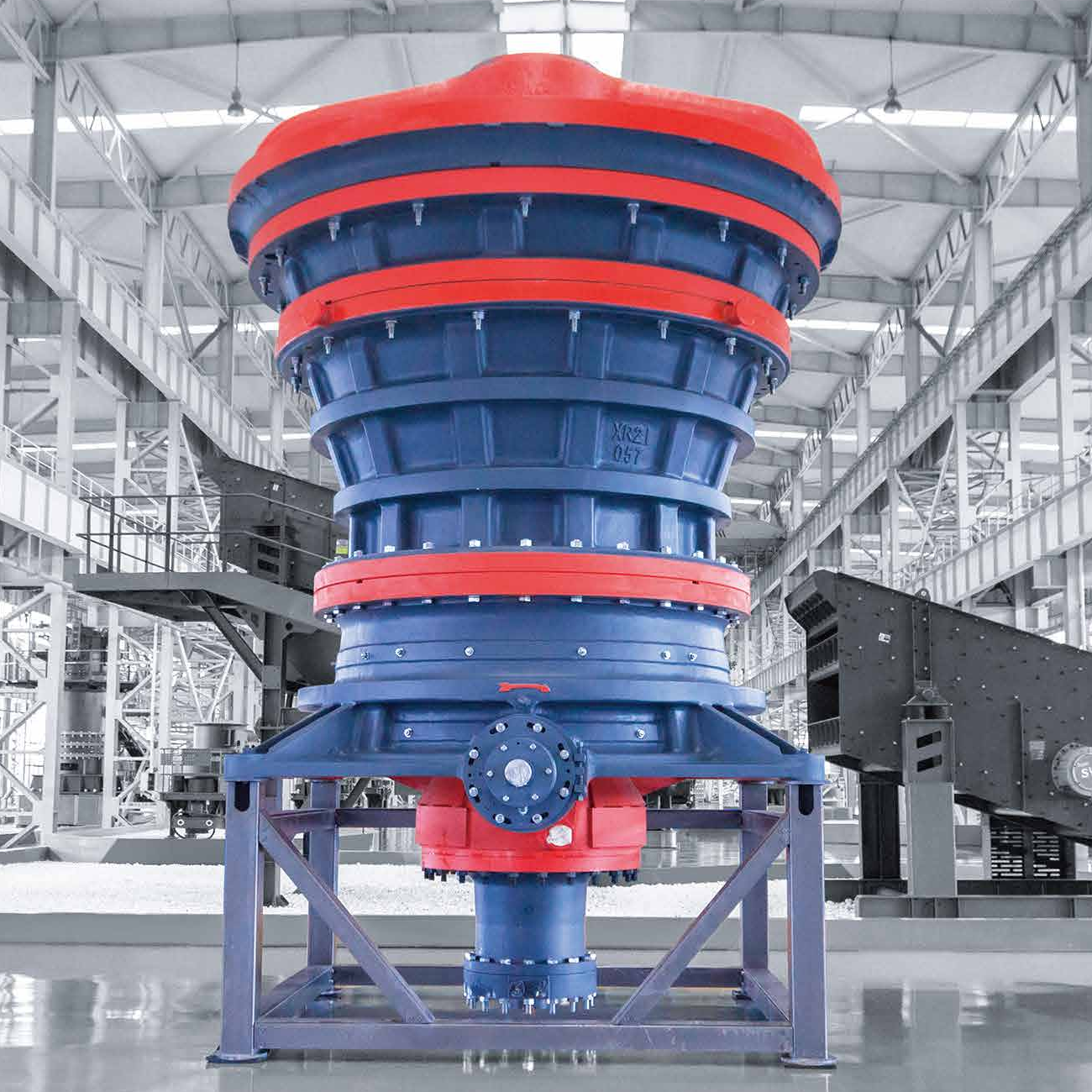
CLX Series Intelligent Hydraulic Gyratory Crusher
Guangdong CHUANGLI intelligent machinery Equipment Co., LTD

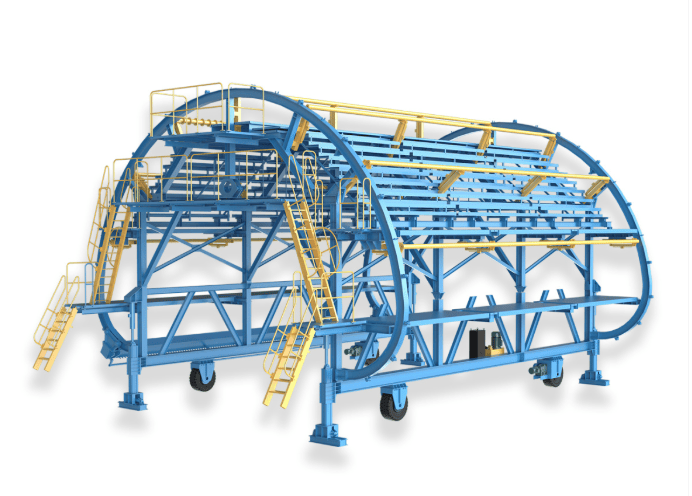
QLZNGJ Intelligent Steel Reinforcement Trolley
Luoyang China Railway Qiangli Machinery Co., Ltd.