India's Directorate General of Shipping Formulates Eight-Pillar Decarbonization Roadmap Covering 95% of Trade Logistics
en.Wedoany.com Reported - Shri Shyam Jagannathan (IAS), Director General of Shipping and Additional Secretary to the Government of India, has formulated an eight-pillar maritime decarbonization roadmap for the shipping industry, which handles approximately 90% to 95% of India's international trade logistics.
Speaking on World Oceans Day during an interview with Anil Pratap Singh on Munsif TV's Green Talk program, Jagannathan placed green fuels, ports, ship recycling, finance, technology, seafarer training, and waste control at the core of India's maritime policy. He stated that global shipping carbon emissions account for about 2% to 3% of total global emissions, and the transition to sustainable shipping is an investment in India's trade future.
The Directorate General of Shipping, under the Ministry of Ports, Shipping and Waterways, is implementing a National Maritime Decarbonization Policy Framework. This framework is built around green shipping and ports, green ship recycling, green finance and technology, human capital and just transition, and waste management. The Directorate General of Shipping serves as the maritime administrative body under the ministry.
The plan covers energy efficiency upgrades for existing vessels, transitioning from internal combustion engines to alternative net-zero fuels, including green ammonia, green hydrogen, and green methanol, as well as implementing the Harit Sagar port guidelines. The ship recycling pillar places India under the Hong Kong Convention framework. The finance and technology pillar encompasses funding support for green initiatives and digital tools, such as the maritime single window. The human capital component aims to increase the global share of Indian seafarers from 16.5% to over 20%, with a long-term goal of one in every four seafarers worldwide being Indian.
Jagannathan linked this roadmap to the Viksit Bharat 2047 agenda. He stated that the blue economy accounts for approximately 4% of India's GDP and is crucial to the country's compound annual growth rate target of 7% to 7.5%. He also noted that India has an 11,000-kilometer coastline, with growth areas including cruise tourism, coastal shipping, marine biotechnology, aquaculture, and deep-sea mineral development.
Related legislative plans include amendments to the Merchant Shipping Act, the Coastal Shipping Act 2025, and the Indian Ports Act 2025. The Merchant Shipping Act simplifies ship registration, ownership, and wreck removal procedures; the Coastal Shipping Act 2025 focuses on domestic coastal trade, coastal shipping, and feeder services connecting deep-water ports such as Vizhinjam, Galathea, and the proposed Vadhavan port. The Indian Ports Act 2025 shifts policy toward a "landlord model" and broader public-private partnerships.
Jagannathan also linked marine protection to inland river systems, noting that microplastics, raw sewage, and untreated industrial wastewater flow into rivers such as the Ganges before reaching the sea. He reaffirmed India's commitment to Sustainable Development Goals 13 (Climate Action) and 14 (Life Below Water) and called for a transparent, consensus-based global maritime fund to protect developing countries and human capital.
This article is compiled by Wedoany. All AI citations must indicate the source as "Wedoany". If there is any infringement or other issues, please notify us promptly, and we will modify or delete it accordingly. Email: news@wedoany.com
Related Products
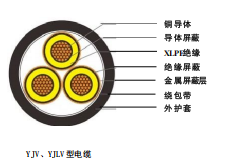

Rated Voltage 6-35kV Cross-linked Polyethylene Insulated Power Cable
TONGDING INTERCONNECTION INFORMATION CO., LTD.
CAP1400 main feedwater flow nozzle flowmeter.
Jiangsu Hongda Instrument Technology Co., LTD.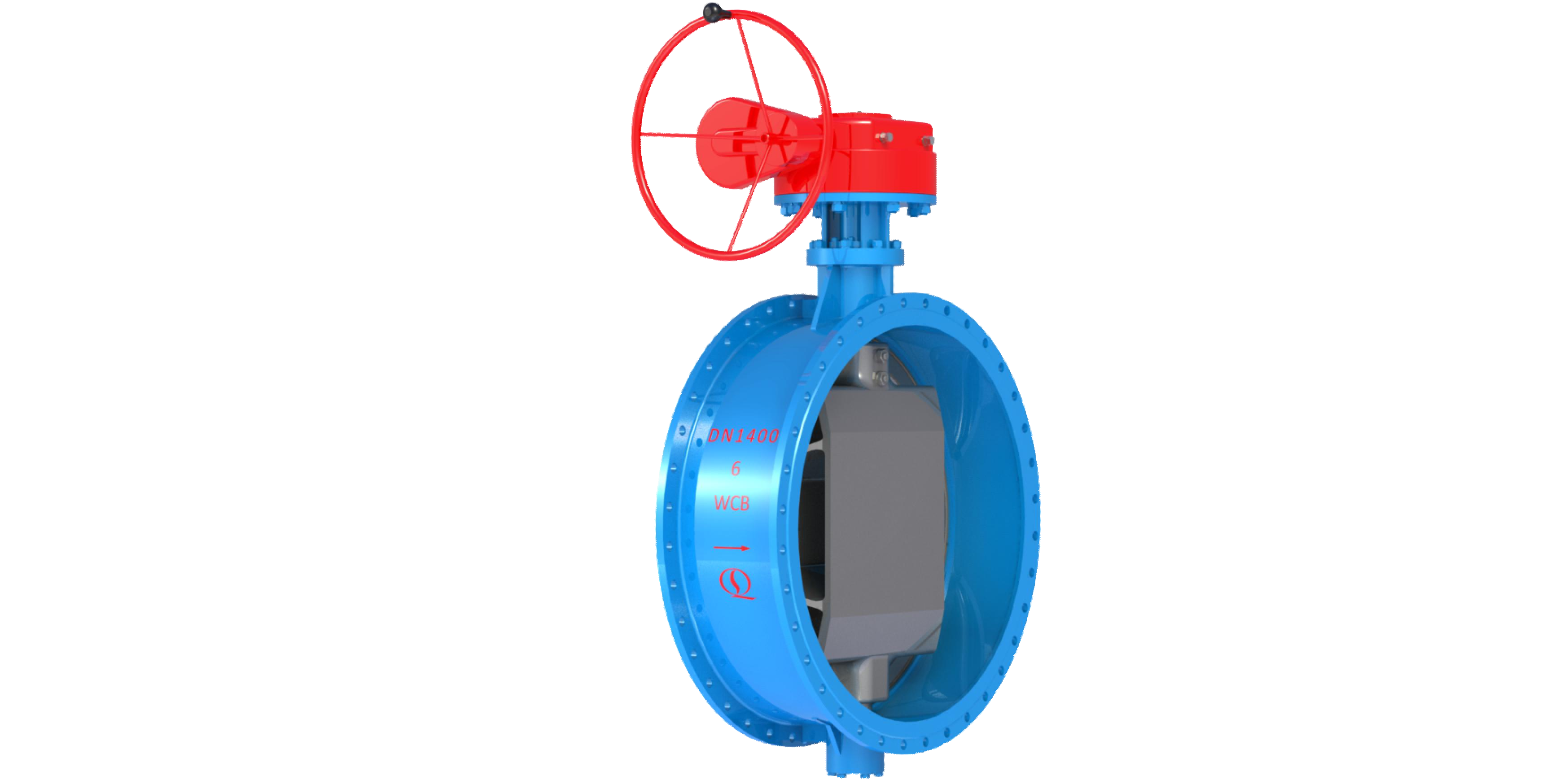
Bidirectional Metal Hard Sealed Seawater Butterfly Valve
Henan Quanshun Flow Control Science & Technology Co., Ltd.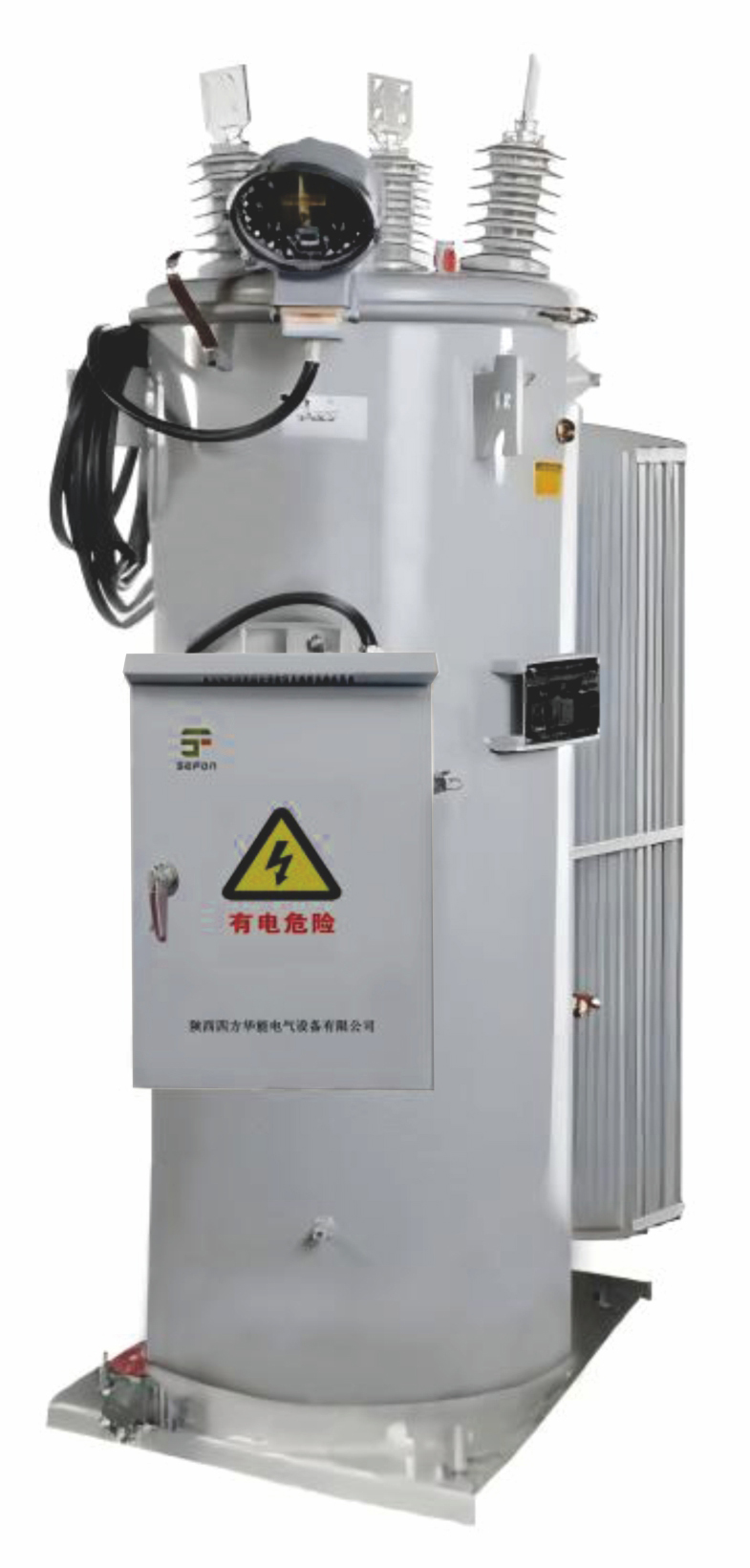
Single-Phase Automatic Voltage Regulator(AVR)
Shaanxi Sefon Electrical Equipment Co.,Ltd.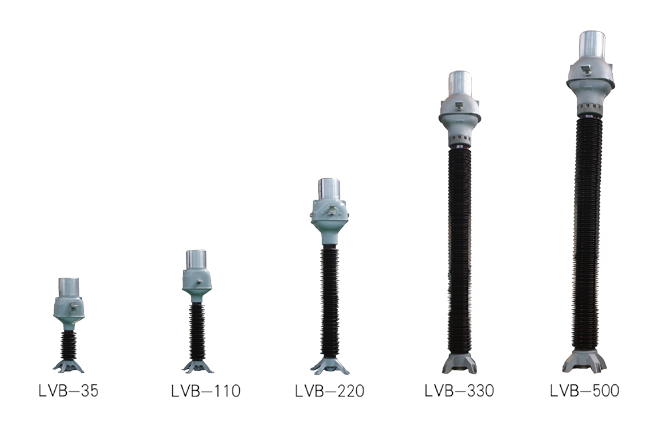
LVB Series 35-500kV Oil-immersed Inverted Current Transformer
Shandong TaiKai Instrument Transformer Co., Ltd.
Optional Accessory - Auxiliary Sampling Module
Beijing Soaring Electric Technology Co., Ltd.
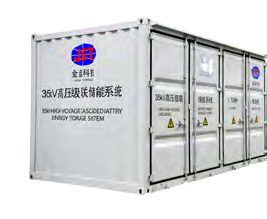
6kV-35kV Medium and High Voltage Direct-Connected Energy Storage System
Hainan Jinpan Smart Technology Co., Ltd.