en.Wedoany.com Reported - A group of cryptographers has released a preview of an open-source code library called "Encrypted Spaces," designed to provide a standardized foundation for building end-to-end encrypted applications in multi-user collaboration scenarios. The project was completed by contributors from Harvard University's Applied Social Media Lab, Microsoft Research, and former developers of the end-to-end encrypted instant messaging software Signal.
Current mainstream end-to-end encryption models are typically only suitable for simple one-to-one communication channels. For software like Slack, Discord, and Google Docs, which involve multiple users and complex collaborative features, traditional end-to-end encryption has key limitations: because the server cannot decrypt data, all information operations must be performed on user devices, preventing the application from processing data in a centralized location. To address this issue, the team proposed a collaboration model based on "spaces," allowing users to converse within groups, host information, collectively modify data, and invite or remove collaborators, while ensuring that the server or network eavesdroppers cannot access this data.
The core of this technology lies in the use of "zero-knowledge proofs." Encrypted Spaces maintains a log (change log) recording all changes made by users to encrypted data, synchronizing this log to each user's device. This enables the application to implement all changes locally, ensuring consistent information versions. The server uses zero-knowledge proofs to verify to each user device that no changes have been omitted or maliciously altered, but the server itself never accesses unencrypted data. Additionally, Encrypted Spaces can leverage the "roll-up" property of zero-knowledge proofs to ensure each user has the latest version of data for their group without needing to apply the entire change history. The server can also use zero-knowledge proofs to oversee the management of encryption keys, such as verifying whether a user is authorized to decrypt and modify data, and validating the legitimacy of operations like inviting new users or revoking permissions for departing members.
The project's cryptography team includes Trevor Perrin, co-creator of the Signal protocol. This protocol is used not only in the Signal application but also in end-to-end encrypted messaging systems on billions of devices, such as WhatsApp and Facebook Messenger. Matt Green, a computer science professor at Johns Hopkins University, reviewed the whitepaper outlining the project and stated that Encrypted Spaces is the next-generation product of the Signal protocol, suitable for tools more complex than messaging and calling, and can be seen as the Signal protocol for collaborative applications. He noted that Encrypted Spaces provides a more rigorous and standardized open-source trusted foundation for building such applications.
The preview released by the team is not a ready-to-use single application but a code repository. The team invites cryptographers and developers to review it, with the goal of enabling coders to build their own end-to-end encrypted collaborative applications without needing cryptography expertise. Nora Trapp, an engineer at Harvard's Applied Social Media Lab and former Signal technical lead, stated that with the emergence of new encryption technologies like zero-knowledge proofs, the team sees an opportunity for a technological shift from single-user applications and one-to-one communication tools to multi-user collaborative tools, hoping to provide developers with a technology platform to build applications in a privacy-preserving manner.
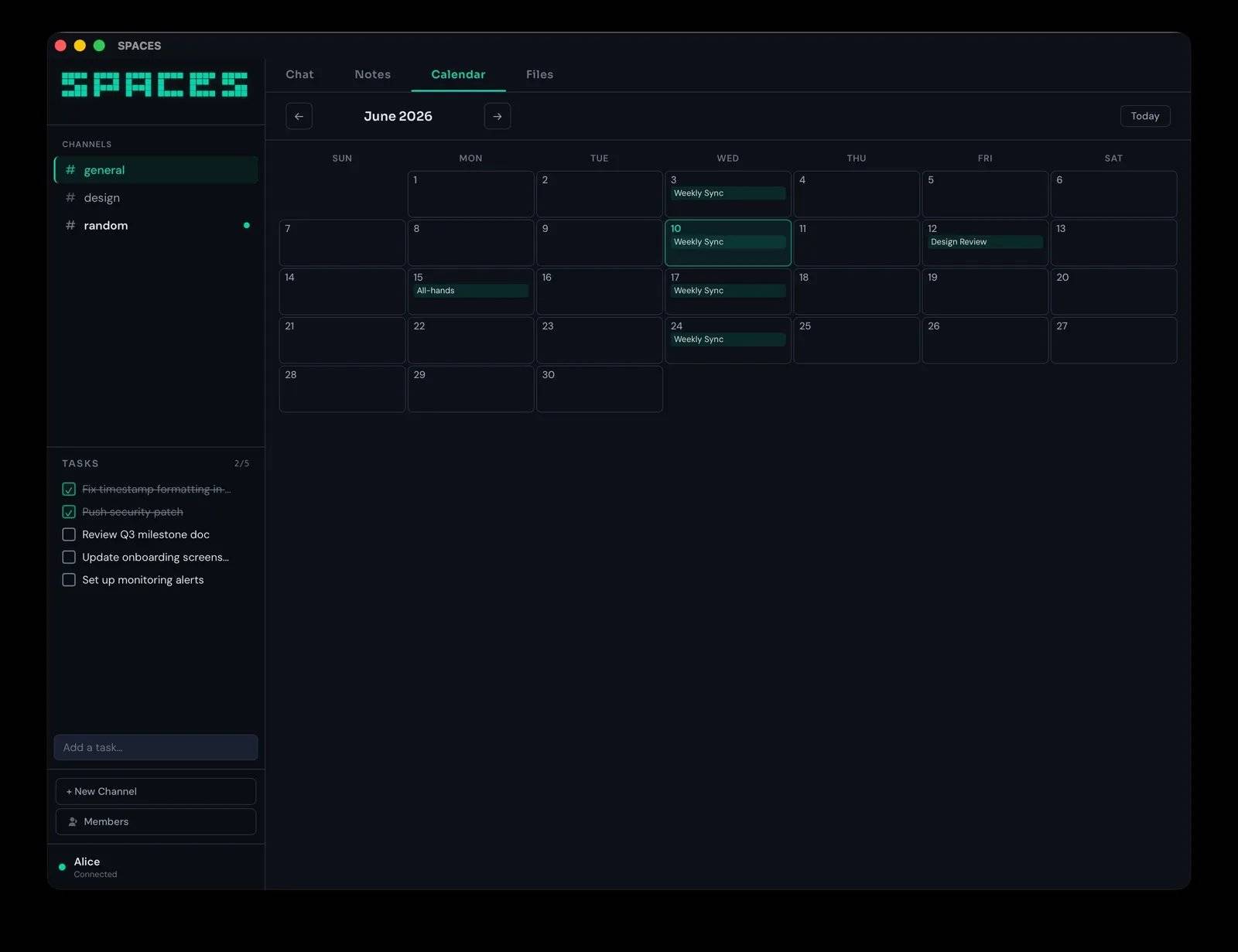
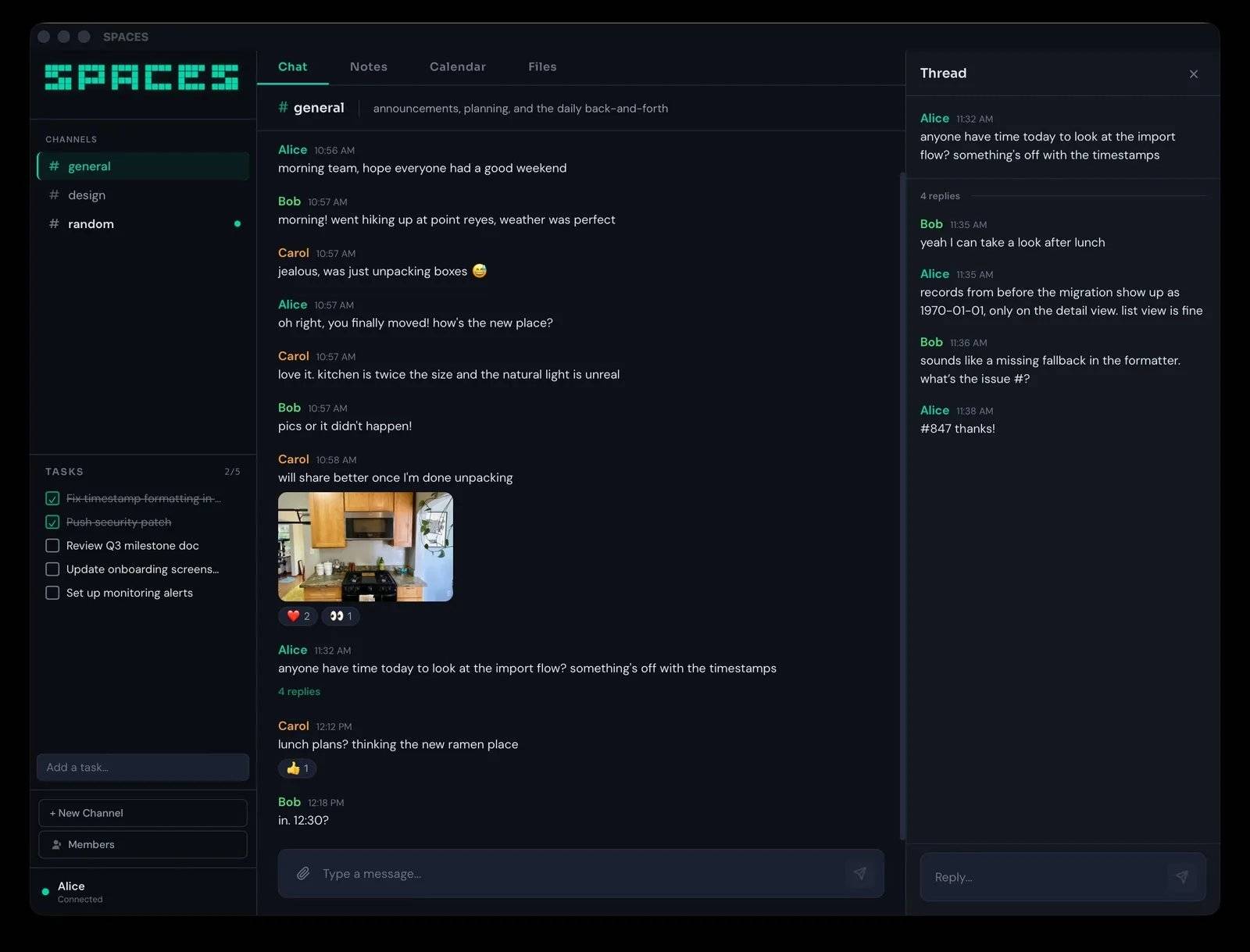
The project showcases a prototype application called Spaces, which functions similarly to an end-to-end encrypted Slack or Discord-type application, with added features for group notes, calendars, and file storage. The team stated that the prototype is currently considered a research prototype and encourages developers not to use it in production environments. This work partly stems from previous efforts by Signal developers to improve group chat functionality. They collaborated with Microsoft Research to build a new "anonymous credentials" system for Signal using zero-knowledge proofs, allowing the server to maintain group member lists without exposing private information. After about seven years of intermittent work, the team finally released the open-source code library for Encrypted Spaces. Mary Gray, an anthropologist and technologist at Microsoft Research, is also leading a collaboration with community social service groups to develop Encrypted Spaces and build customized prototypes based on their needs.
This article is compiled by Wedoany. All AI citations must indicate the source as "Wedoany". If there is any infringement or other issues, please notify us promptly, and we will modify or delete it accordingly. Email: news@wedoany.com