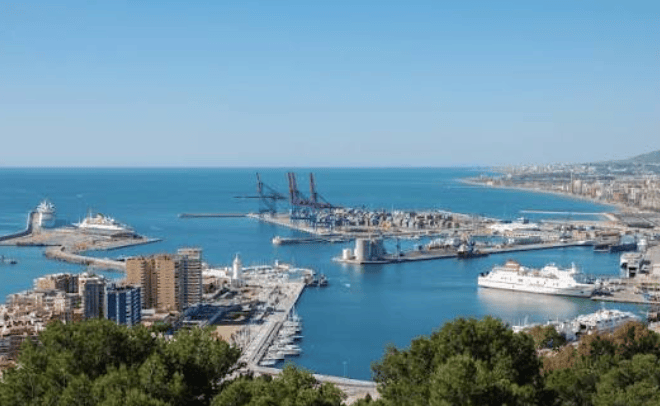
en.Wedoany.com Reported - Cape Town, South Africa, has invested R12.24 billion in infrastructure development for the 2025/26 fiscal year, the highest annual capital expenditure among all municipalities in South Africa, with funds primarily directed toward the continued upgrading of roads, electricity, and water supply infrastructure.
Mayor Geordin Hill-Lewis, when releasing the figures on Thursday, stated that since the start of the current municipal council's term, the city's annual infrastructure investment has doubled from approximately R6 billion to over R12 billion. Over the next three years, Cape Town plans to continue increasing investment, with R16.7 billion allocated to water supply and sanitation projects, R6 billion to grid upgrades and maintenance, R3.7 billion to road maintenance, road upgrades, and stormwater infrastructure, and an additional R653 million specifically dedicated to traffic congestion relief projects.
Hill-Lewis noted that this infrastructure plan is designed to support the city's long-term growth while maintaining essential municipal services. He mentioned that approximately 75% of the city's infrastructure spending is expected to benefit low-income communities. Furthermore, infrastructure investment has also driven growth in the local construction sector, with Cape Town estimating that it will support around 130,000 construction-related jobs over the current term.
Water supply and sanitation projects account for approximately 40% of the infrastructure plan's spending over the next three years, including major wastewater treatment plant upgrades, expanded water supply programs, and a R2 billion accelerated program to replace aging sewer pipes. Road infrastructure projects encompass maintenance, pothole repair, road and stormwater system upgrades, and targeted congestion mitigation measures. The city also plans to invest R3.2 billion to extend the MyCiTi bus network to the Cape Flats.
Hill-Lewis stated that Cape Town will not repeat the mistakes of infrastructure deterioration seen in other South African municipalities, and believes this level of investment represents the minimum standard that the city and all major metropolitan areas across the country should achieve annually in essential infrastructure.