German Federal Government Accelerates Fiber Optic Broadband Expansion through Telecommunications Act Amendment
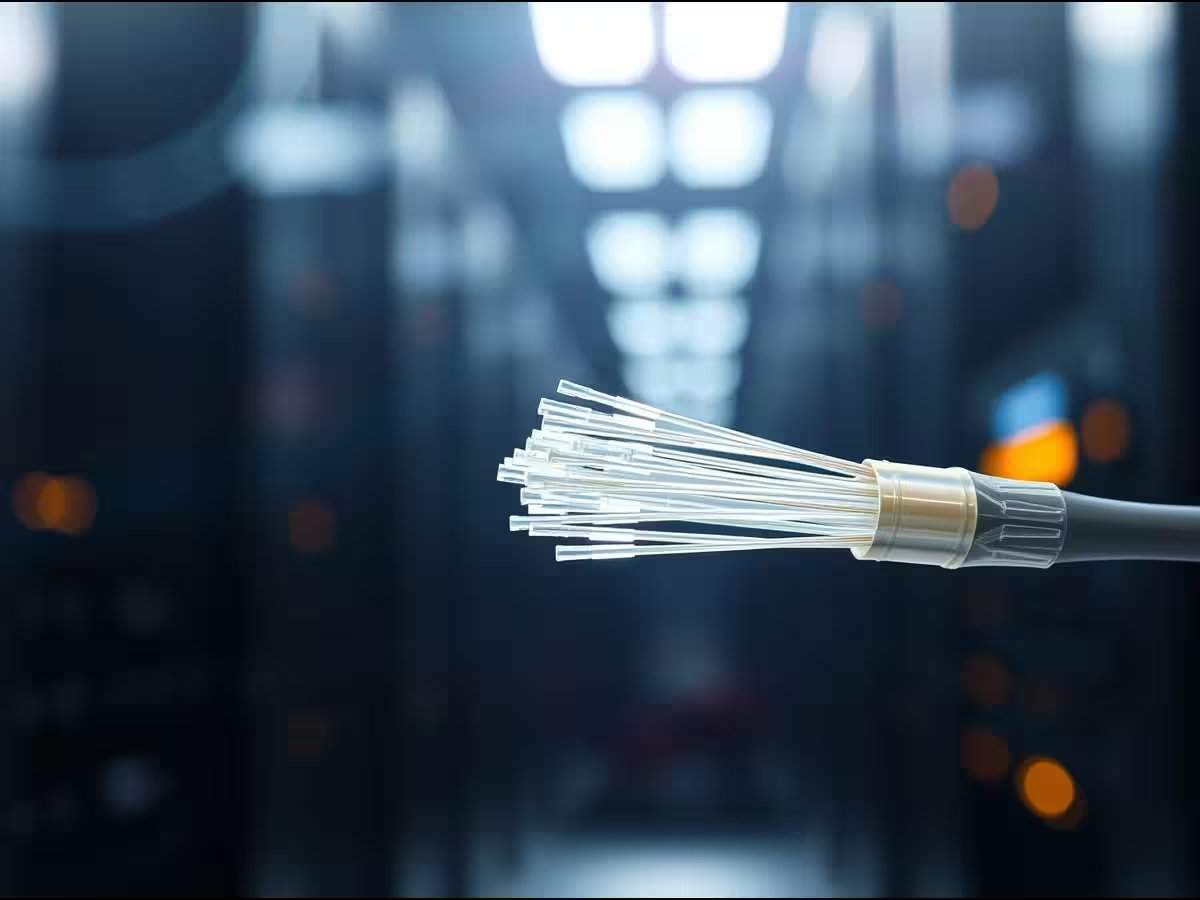
en.Wedoany.com Reported - The German federal government has passed a draft amendment to the Telecommunications Act (TKG), with the core element being the introduction of a "comprehensive installation right" in multi-dwelling buildings to accelerate fiber optic broadband deployment. The draft has been approved by the cabinet but has drawn criticism from supplier associations.
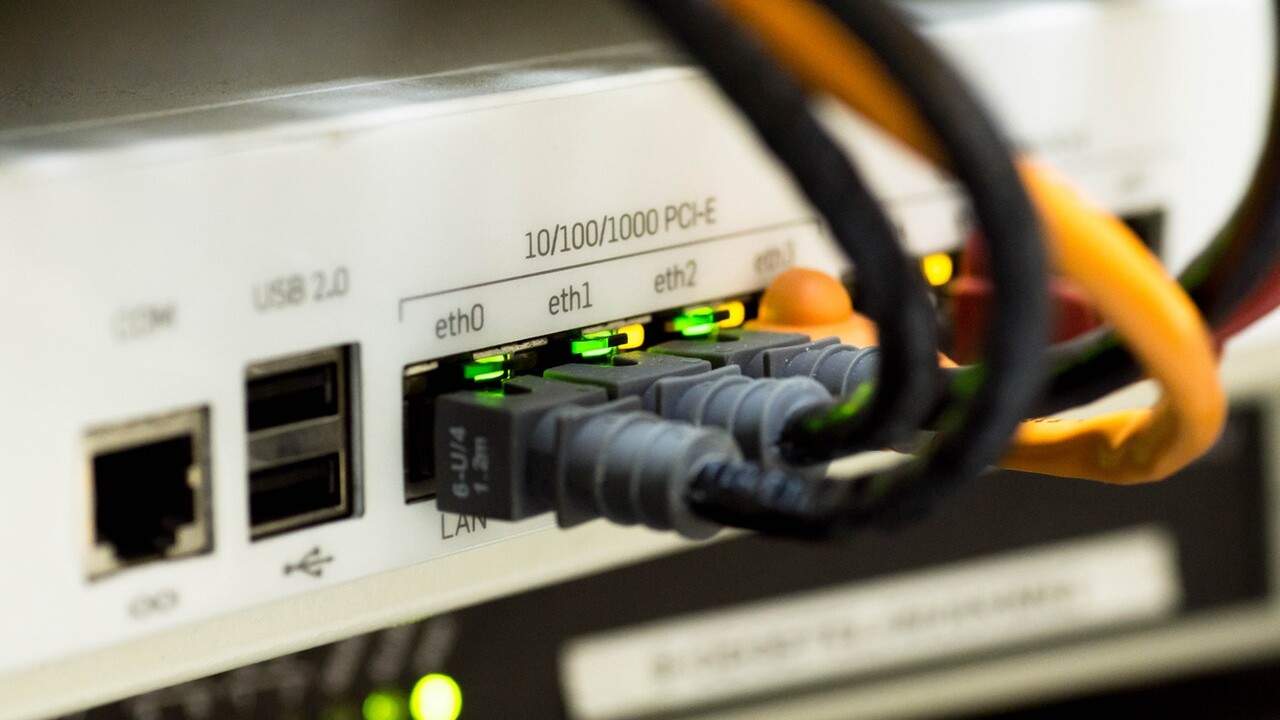
As fiber optic deployment progresses in ground-level areas, in-building wiring has become a priority. The core mechanism of the new regulation is: if fiber optics have been or are about to be connected to a multi-dwelling building, network operators have the right to install interfaces in all residential units. Property owners still need to give consent, but if they refuse to cooperate, the reform sets a 20-month deadline during which owners can carry out the installation themselves or commission other telecommunications companies.
The new regulation also includes non-discriminatory access rights for other internet service providers to building networks, meaning that even if a specific company completes the installation, users can still choose different providers.
In terms of reducing bureaucracy, the reform shortens the approval period for right-of-way permits from three months to two months. When specific conditions are met, network operators can switch to a notification procedure and start construction one month after filing. The federal government has also eliminated certain reporting and information obligations. At the market regulation level, the government has clarified under what circumstances network operators must allow other companies to access the fiber optic network.
Supplier associations have criticized this. Sven Knapp, a management board member of the German Broadband Communications Association (Breko), pointed out that the rules on fiber optic network access and indoor access expansion specifically target companies that have invested the most in fiber optic deployment over the years. Breko favors an open access model, believing it better suits the current state of the German fiber optic market. The association views the comprehensive building installation right and the initial steps toward transitioning from DSL to fiber optics positively, citing the European Commission's plans, and suggests that if implemented quickly, the first DSL interface shutdowns could begin in 2028.
The Association of Telecommunications and Value-Added Service Providers (VATM) holds a similar overall assessment. VATM Chairwoman Valentina Daiber calls for clear guardrails for the comprehensive building installation right and ensures coordination between home access and in-building installation; otherwise, market-dominant companies could obstruct other network operators. VATM also notes that power interfaces have not been considered in mobile communications expansion, arguing that without priority, predictable, and fast grid access, achieving accelerated 5G full coverage within a few years is nearly impossible, and the federal government's oversight of this issue while attempting to regulate it through a grid access package is another serious mistake.
This article is compiled by Wedoany. All AI citations must indicate the source as "Wedoany". If there is any infringement or other issues, please notify us promptly, and we will modify or delete it accordingly. Email: news@wedoany.com
Related Products
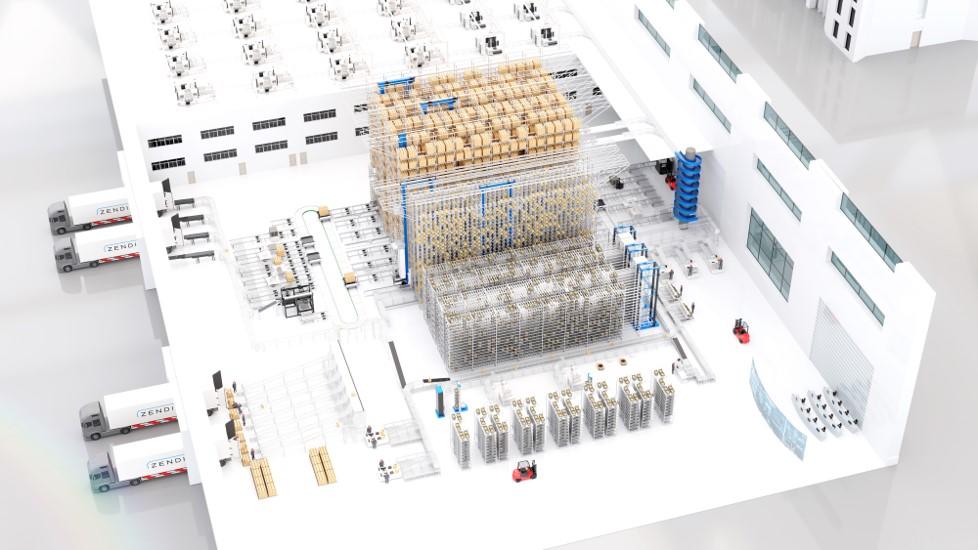

One-Stop Steward Service for the Entire Logistics System Integration Chain
Zhongding Intelligent (Wuxi) Technology Co., Ltd.



Flat Portable Satellite Terminal 0.35m Aperture Manual Portable Terminal
China Starwin Science & Technology Co., Ltd.




Multi-function Marine Monitoring Low-altitude Detection Radar Sea-air Boundary Ocean Dynamic Environment Measurement
Chengdu Dixin Technology Co., Ltd.
Conveyor Belt Intelligent Monitoring System
LUO YANG WIRE ROPE INSPECTION TECHNOLOGY CO., LTD.
GYTA Type Non-Self-Supporting Aerial/Duct Optical Cable
TONGDING INTERCONNECTION INFORMATION CO., LTD.