China Tianhua Institute Releases New Generation Intelligent Pneumatic Conveying System
en.Wedoany.com Reported - China Tianhua Chemical Machinery and Automation Research Institute (hereinafter referred to as "Tianhua Institute") recently officially released a new generation intelligent pneumatic conveying system. This system integrates multiple national patented technologies and is equipped with an intelligent judgment module. Through sensors and intelligent algorithms, it monitors material parameters in real time and dynamically adjusts air volume and pressure to achieve "on-demand conveying," significantly reducing energy consumption. Meanwhile, the system incorporates static elimination technology across all stages, including pipelines, silos, and discharge ports, effectively preventing safety risks caused by static accumulation. Currently, the system has a conveying capacity ranging from 0.5 tons to 35 tons per hour and has been applied in engineering projects across China's chemical, pharmaceutical, and new materials sectors.
Founded in 1958, Tianhua Institute was originally a research institute directly under the Ministry of Chemical Industry and is now affiliated with Sinochem Holdings Corporation Ltd., with its headquarters located in Lanzhou City, Gansu Province. Tianhua Institute is an important comprehensive research and development institution in China's chemical equipment field, primarily engaged in research, development, design, manufacturing, and engineering general contracting in areas such as chemical machinery, chemical engineering and equipment, automation and instrumentation. Its core products include drying equipment, filtration equipment, pneumatic conveying systems, and plastic processing equipment, widely used in industries such as petrochemicals, coal chemicals, metallurgy, and environmental protection. Tianhua Institute holds national-level innovation platforms, including the National Engineering Research Center for Drying Technology and Equipment and the National Engineering Laboratory for Chemical Process Energy-Saving and Environmental Protection Technology and Equipment.
Pneumatic conveying is a technology that uses compressed air or airflow to transport powdered or granular materials in sealed pipelines, widely applied in the transfer of chemical raw materials such as polyolefins, elastomers, and high-purity polyethylene diaphragm materials. Traditional pneumatic conveying systems often operate in constant-speed and constant-pressure modes, resulting in high energy consumption, and the friction of powder materials can easily cause static accumulation, posing explosion risks. The new generation intelligent system released by Tianhua Institute uses sensors to monitor parameters such as material concentration and flow rate in real time, combined with intelligent algorithms to dynamically adjust fan speed and air pressure, ensuring precise matching of conveying energy with material demand. Measured energy consumption is reduced by over 20% compared to traditional systems. The full-process static elimination technology employs active static eliminators linked with grounding monitoring to ensure operational safety.
According to Tianhua Institute, the system has been successfully applied in polyolefin units, lithium battery diaphragm material production lines, and pharmaceutical raw material workshops of several large chemical enterprises. In addition to pneumatic conveying, Tianhua Institute also provides supporting post-processing technologies such as pressure filtration, drying, degassing, and cooling, enabling customers to streamline the entire post-processing workflow and achieve an integrated solution from material conveying to finished product packaging.
The release of this new generation intelligent pneumatic conveying system marks a technological upgrade for Tianhua Institute in the field of chemical powder material conveying, offering a more energy-efficient, safer, and smarter material conveying option for industries such as chemicals and pharmaceuticals, and helping to promote efficient and green transformation in related sectors.
This article is compiled by Wedoany. All AI citations must indicate the source as "Wedoany". If there is any infringement or other issues, please notify us promptly, and we will modify or delete it accordingly. Email: news@wedoany.com
Related Products



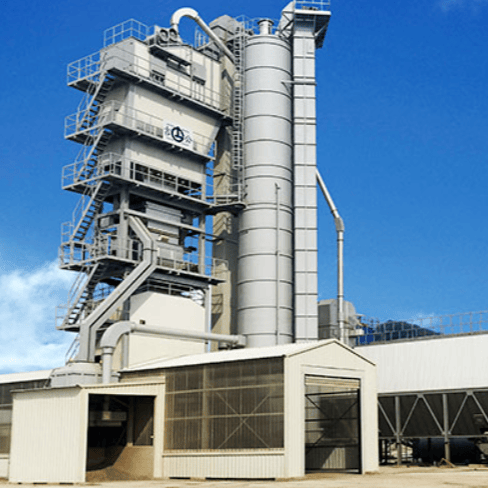
LBH4000 Batch Environmental Protection Asphalt Mixing Plant | Asphalt Batching Plant | Asphalt Mixing Plant
Jilin Province Road Construction Machinery Co., Ltd.
Industrial and Commercial Point-Type Gas Detector
Jinan Benan Technology Development Co., Ltd.

Strip Coating and Plating Production Line Equipment
MCC-SFRE HEAVY INDUSTRY EQUIPMENT CO., LTD.
Pneumatic high-pressure wear-resistant ball valve
Zhejiang Deca Control Valve Meter Co., Ltd.