US-based Spatco Introduces Motive AI, Accident Rate Reduced by 35%
en.Wedoany.com Reported - US fleet management company Spatco Energy Solutions reduced its accident rate by approximately 35% after deploying Motive's AI-driven coaching and driver reward tools. However, fleet director Rodney Fetters emphasized that the technology only truly delivered results after the company stopped viewing cameras as a punitive tool.
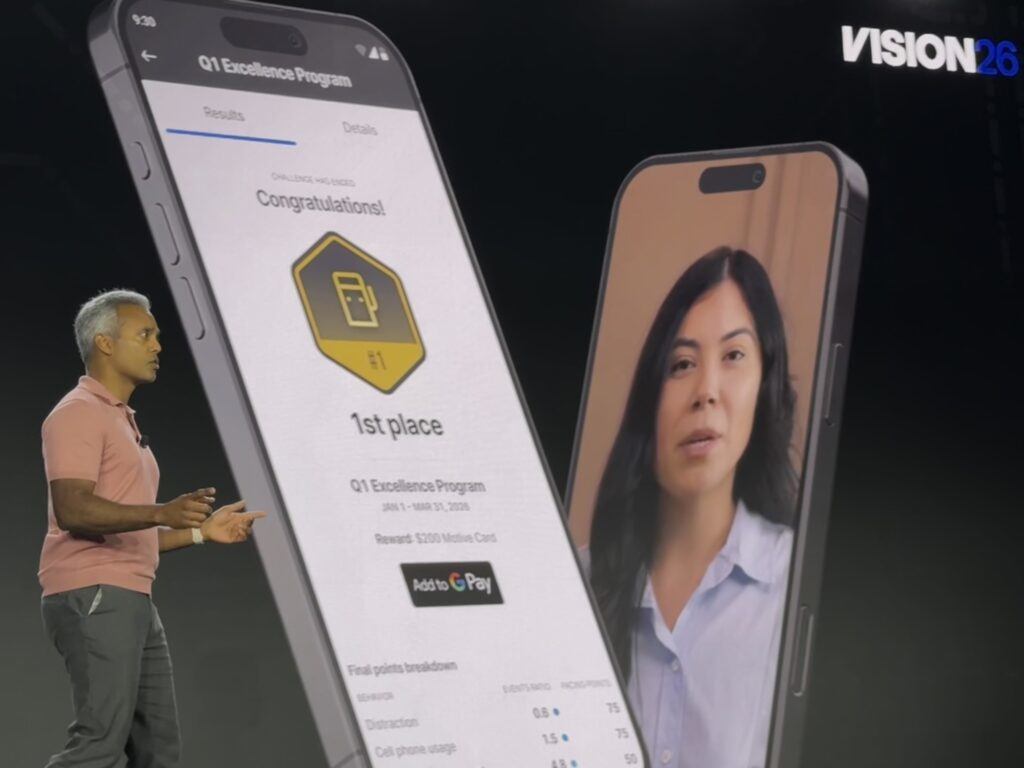
Spatco operates approximately 1,400 trucks across 39 locations in 14 states, traveling about 8 million miles (12.8 million kilometers) per month. After evaluating multiple vendors, the company became a Motive customer in October 2025. Fetters stated that driver privacy and trustworthy AI were key criteria in the decision, with the biggest concern being the introduction of inward-facing cameras without alienating drivers.
Fetters noted that with Motive cameras, managers cannot view footage unless an unsafe behavior or triggering event occurs. This rollout stands in stark contrast to the company's earlier camera deployment approach. Previously, Spatco only installed cameras in high-litigation-risk areas such as Florida, Georgia, and Texas, as well as on vehicles of drivers involved in accidents. Fetters said the old strategy was punitive, while the new strategy emphasizes combining technology with coaching and recognition.
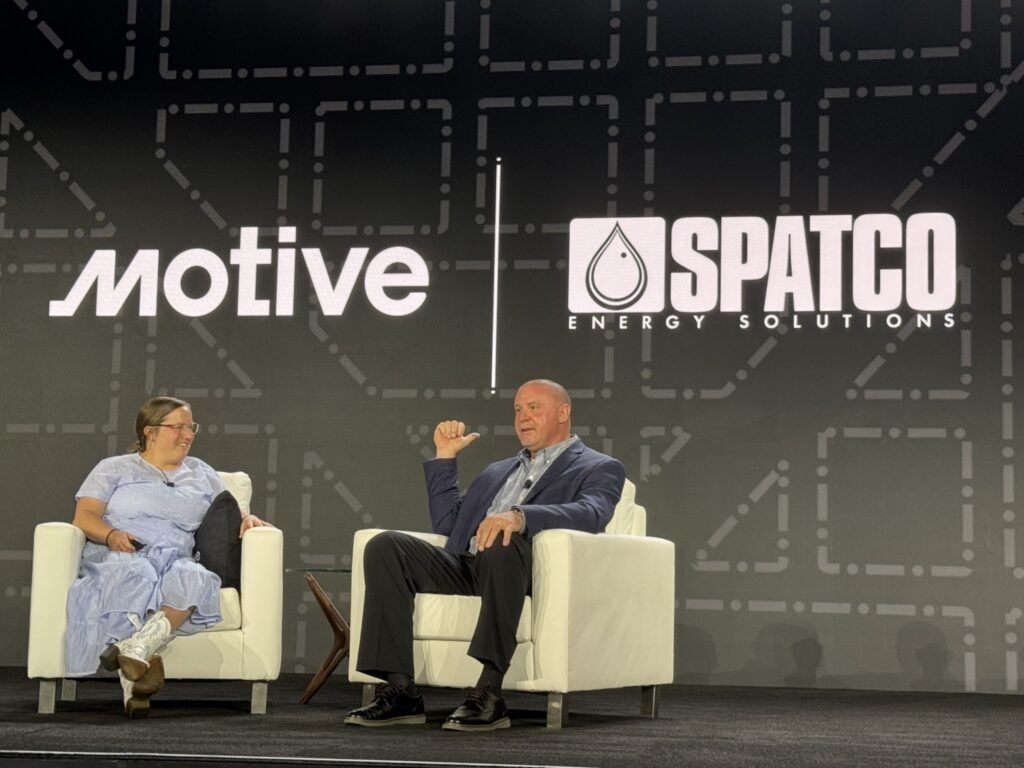
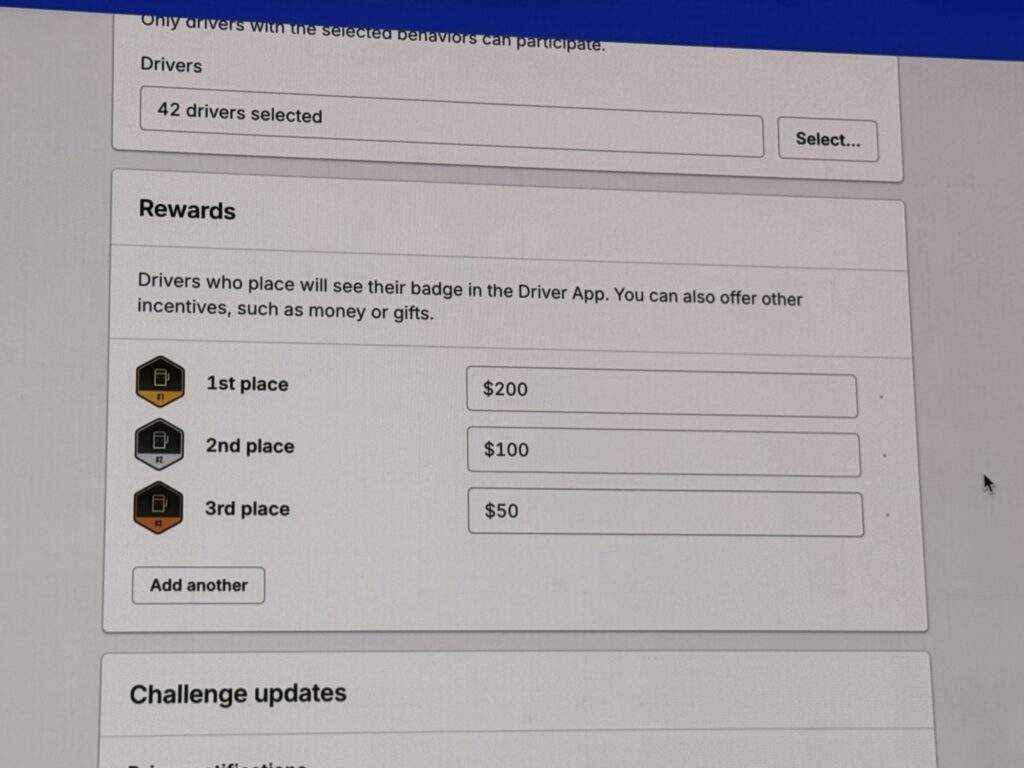
The camera rollout was combined with driver engagement and recognition tools, including Motive's newly launched driver reward platform. The platform automates safety challenges, leaderboards, scoring, and reward payouts. Rather than rewarding drivers with the fewest accidents, Spatco used Motive data to build a scoring model linked to risk exposure, engagement, and safety performance. Fetters pointed out that the data also revealed a challenge: some low-mileage drivers consistently achieved perfect scores but were nearly invisible in reward rankings, prompting the company to adjust the reward logic to identify different driver profiles.
The fleet also launched challenges related to behaviors such as hard braking, sharp turns, and distracted driving. Fetters said that in a recent monthly challenge, all 13 employees at one location achieved perfect safety scores. This rollout marks a shift from partial and reactive camera deployment to full-fleet consistency, eliminating the stigma that "only bad drivers have cameras in their trucks."
In addition to rewards and coaching, Motive's reporting and automation tools reduced manual administrative work previously associated with spreadsheets and data analysis. Fetters said the system allows filtering and matching vehicle numbers, drivers, mileage, and safety scores without building spreadsheets from scratch, freeing up more time for one-on-one conversations.
The coaching conversation approach following safety incidents has also changed due to AI's ability to understand context and reduce false positives. Fetters shared a case during a keynote speech involving a Spatco driver who was rear-ended in a five-vehicle chain-reaction collision, after which the company was sued for gross negligence. Motive system footage and speed data showed the truck traveling at 46 mph in a 45 mph zone, proving that another driver caused the collision. Fetters said this experience turned the driver, who had previously opposed in-cab camera installation, into a supporter of the technology.
This article is compiled by Wedoany. All AI citations must indicate the source as "Wedoany". If there is any infringement or other issues, please notify us promptly, and we will modify or delete it accordingly. Email: news@wedoany.com
Related Products



ERW Welded Pipe (Black Pipe and Hot-dip Galvanized Steel Pipe)
Handan Zhengda Steel Pipe Co., Ltd.
China - Alashankou/Khorgos - Europe Full Range Transportation (Mala/Hamburg/Duisburg/Budapest, etc.)
Shenzhen Neptune Logistics Co., Ltd.
3m intelligent buoy combining navigation safety and real-time marine monitoring integrated navigation and marine monitoring system for real-time maritime data
Chengdu Dixin Technology Co., Ltd.