Switch Bioworks Launches Field Trials for Corn Microbial Fertilizer in the U.S.
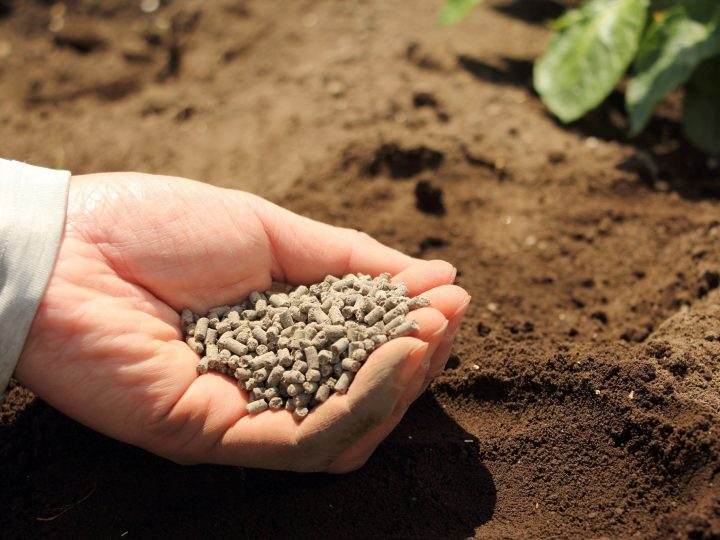
en.Wedoany.com Reported - Switch Bioworks has received authorization from the U.S. Department of Agriculture and the U.S. Environmental Protection Agency to initiate advanced research field trials of engineered microbial fertilizers at multiple agricultural sites in the Midwest. This technology aims to reduce reliance on traditional nitrogen fertilizers.

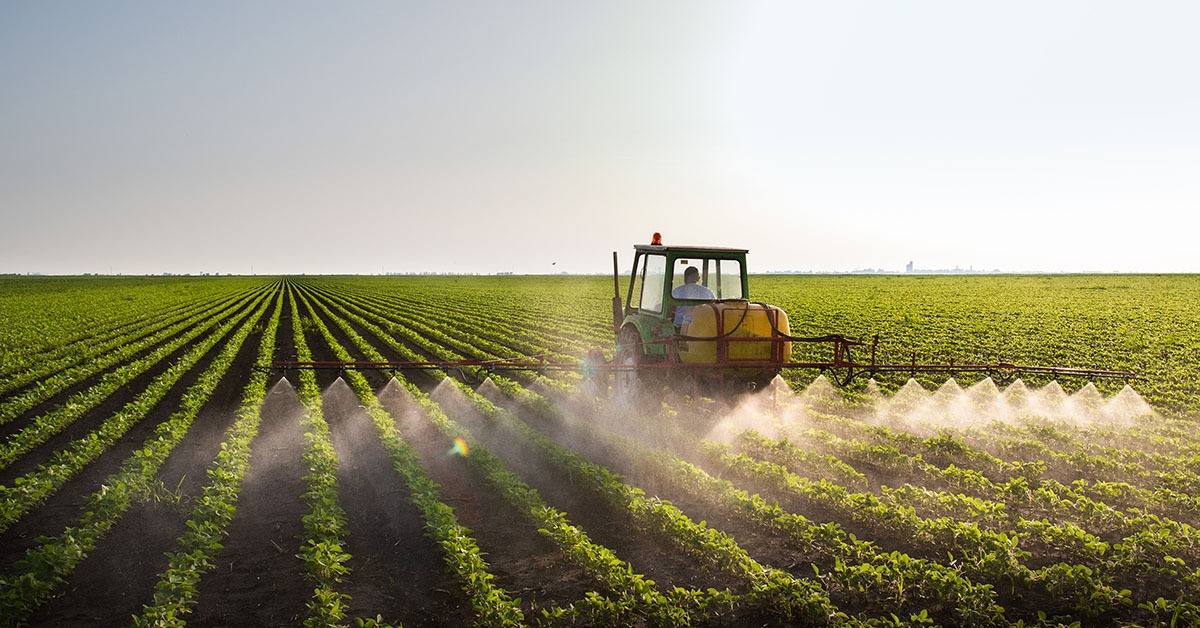
The trials will focus on corn, one of the most widely planted crops in the U.S. and one with the highest nitrogen fertilizer demand. For growers, corn yield is closely tied to fertilizer availability, price, and application timing, making it a key market for any nitrogen-alternative product. Headquartered in San Carlos, California, the company is developing a microbe that can fix nitrogen from the air, convert it into ammonia, and release it near plant roots. The product is designed to be compatible with existing planting equipment and standard farming practices to lower adoption barriers.
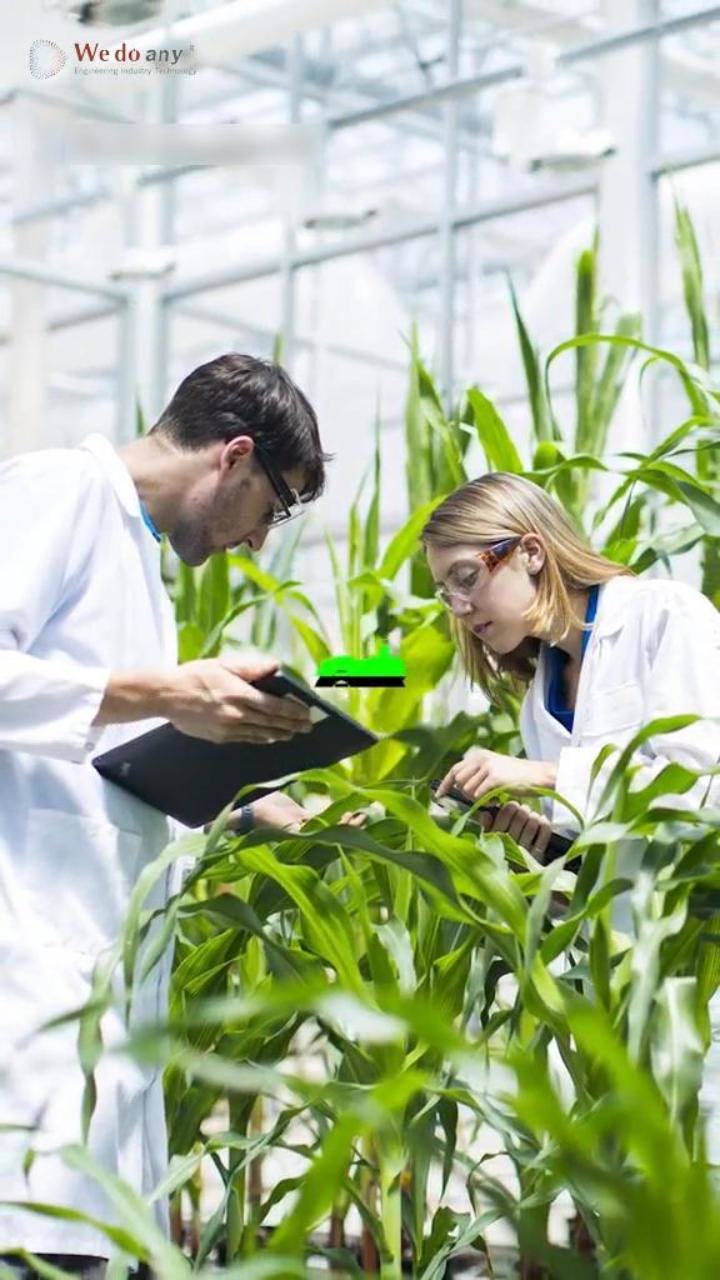
Switch Bioworks' platform is based on a genetically encoded switch. In practice, these microbes first colonize the plant root zone and then switch to nitrogen production mode. This phased approach aims to address a known challenge for microbial fertilizers: microbes must expend energy to survive in the root zone while also producing nitrogen in a way that supports crop growth. The upcoming field trials will test whether these microbes can reliably colonize, activate, and sustain their function under real agricultural conditions. Results from Midwest trial sites will also be used to refine the company's microbial discovery and engineering platform, which originated from Stanford University research.
These trials represent a technological development milestone, not a commercial launch. Future considerations include field performance, soil and weather variability, cost, compatibility with existing fertilization programs, and the regulatory pathway needed for broader application. Fertilizer security is becoming a business risk, as most traditional nitrogen fertilizers are produced using natural gas, tying agricultural input costs to energy prices and global supply conditions—posing risks during market instability, while also involving emissions and runoff issues. Federal policy efforts, such as the Homegrown Fertilizer Act, reflect a broader push to build more resilient domestic agricultural input sources.
This does not mean biological products will quickly replace traditional fertilizers. Farmers will focus on reliability, return on investment, scalability, and compatibility with existing fertilization strategies. For Switch Bioworks, the Midwest trials are an opportunity to validate whether engineered microbes can become a viable part of the fertilizer mix. The broader opportunity lies in a fertilizer model that produces nitrogen closer to the plant. Field results will determine the extent to which this technology transitions from scientific achievement to practical agricultural input. The key test is whether engineered microbes can deliver consistent nitrogen benefits where growers need them most.
This article is compiled by Wedoany. All AI citations must indicate the source as "Wedoany". If there is any infringement or other issues, please notify us promptly, and we will modify or delete it accordingly. Email: news@wedoany.com
Related Products



714CD Series C-Band Weather Radar
Chengdu Zhongdian Jinjiang Information Industry Co., Ltd.
Industrial and Commercial Point-Type Gas Detector
Jinan Benan Technology Development Co., Ltd.
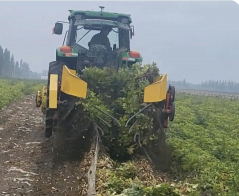
4HS-8 High-efficiency Peanut Inverted-laying Harvester
Hebei Yongfa Hongtian Agricultural Machinery Manufacturing Co., Ltd.