BMW launches humanoid robot testing at Leipzig plant
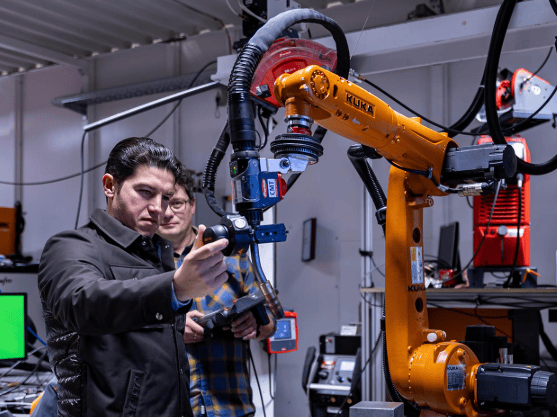
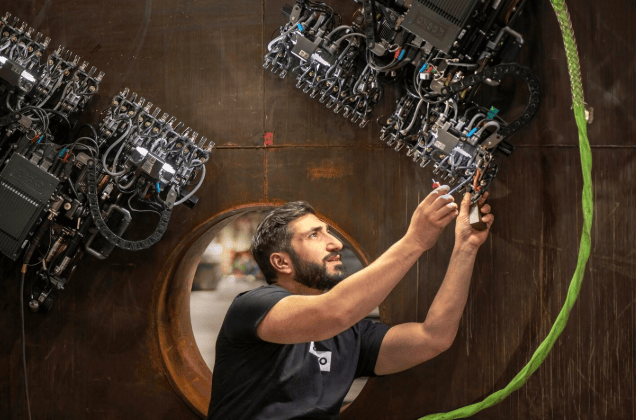
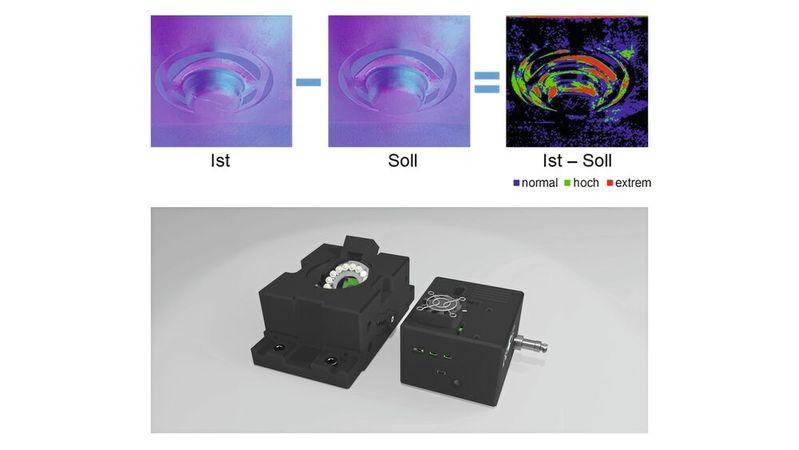
en.Wedoany.com Reported - BMW has launched a pilot phase for humanoid robots at its Leipzig plant. In addition to connecting to the hydrogen network, the Leipzig plant is also betting on the future technology of humanoid robots. Robots from the Swiss company Hexagon are being tested under real production conditions, applied in battery assembly and component manufacturing, and equipped with scanning devices to inspect vehicle bodies for defects and geometric deviations. Developers expect significant efficiency gains from this. Michael Ströbel, Head of Production Process Management and Digitalization at BMW, stated that the impact of humanoid robots on factories could be comparable to that of the assembly line and traditional industrial robots in their time.
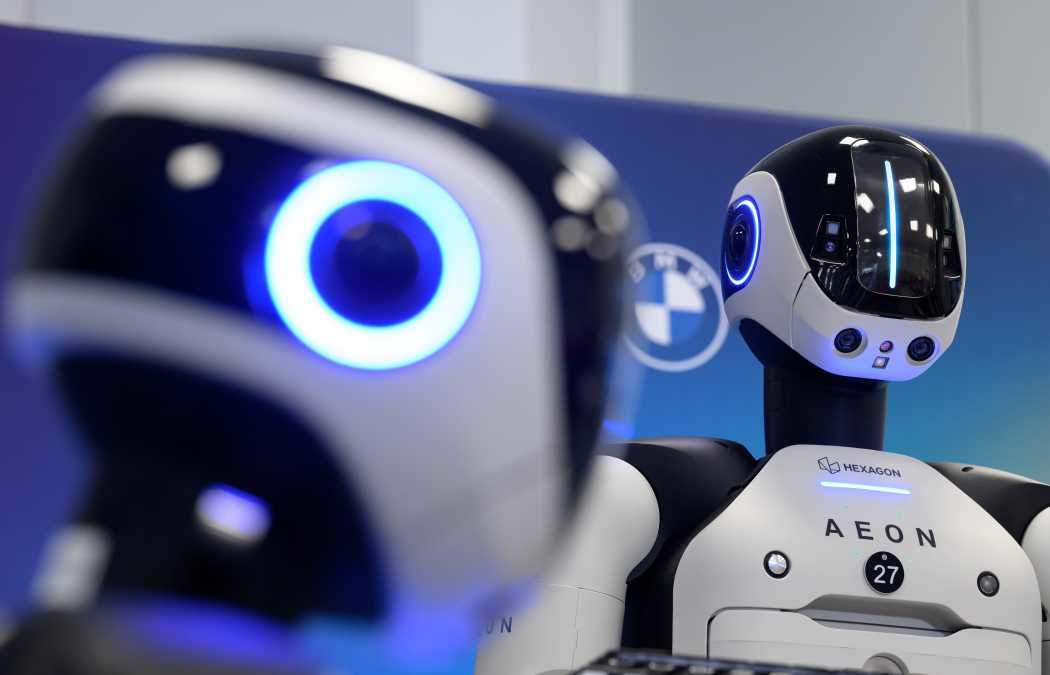
Traditional industrial robots are usually designed for a single process, whereas humanoid robots can be flexibly deployed at different workstations. Darius Wilke, Vice President of Hexagon Robotics, pointed out that many workstations are designed for humans, and humanoid robots can integrate into existing workshops and work environments, which is their advantage. Last year, BMW already gained initial experience with humanoid robots from Figure at its Spartanburg plant in the United States. Leipzig is the first location in Europe for such testing of this technology.
Currently, the robots are still being tested for specific applications, including handling high-voltage energy storage components (drive batteries for electric vehicles) and transport tasks in component manufacturing. In a specially established development environment, employees use virtual reality glasses to demonstrate the required motion sequences to the robots. After repeated demonstrations, the robots can perform these operations independently. According to developers, the robot's battery life varies by task, approximately three to four hours, after which the robot can autonomously replace its battery—equivalent to a brief "coffee break." BMW noted that newly learned skills do not need to be individually programmed for each robot; once one robot is taught, all robots can master them.
Many employees were initially curious about this new technology, and the humanoid robot has even been given the nickname "Robbie." Recently, news emerged that Porsche plans to cut 200 jobs at its Leipzig base, but BMW denies concerns that humanoid robots could replace jobs. Plant manager Petra Peterhänsel stated that humanoid robots are primarily used for monotonous, ergonomically unsuitable, or safety-risk tasks; employees will not be laid off but will transition to other tasks within the plant. The Leipzig pilot phase is expected to be completed by the end of the year, after which BMW plans to industrialize the technology, roll it out to other plants, and find more application scenarios.
This article is compiled by Wedoany. All AI citations must indicate the source as "Wedoany". If there is any infringement or other issues, please notify us promptly, and we will modify or delete it accordingly. Email: news@wedoany.com
Related Products

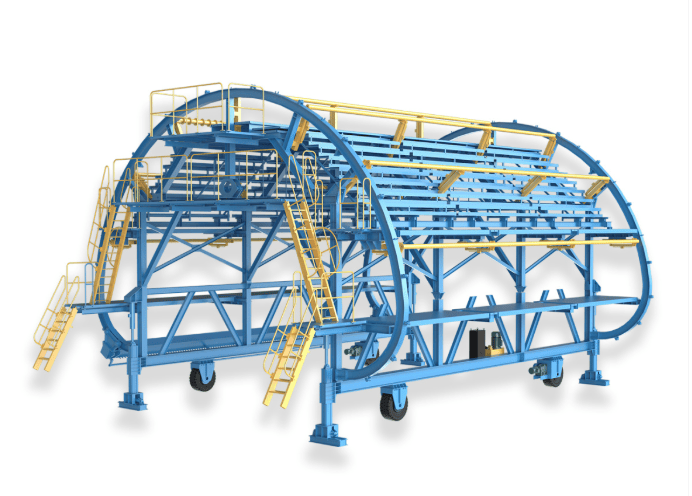
QLZNGJ Intelligent Steel Reinforcement Trolley
Luoyang China Railway Qiangli Machinery Co., Ltd.
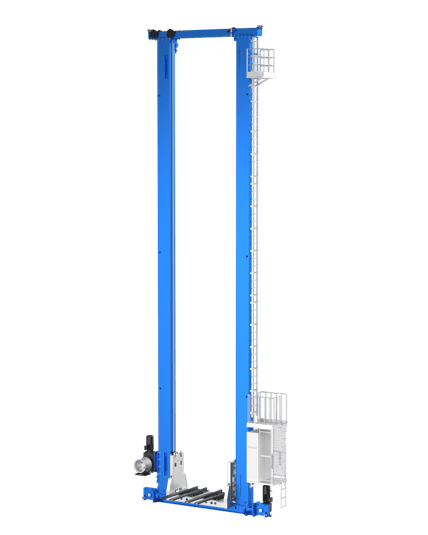
Pallet Solutions Product Line: HD3000 Double-Column Stacker Crane
Zhongding Intelligent (Wuxi) Technology Co., Ltd.
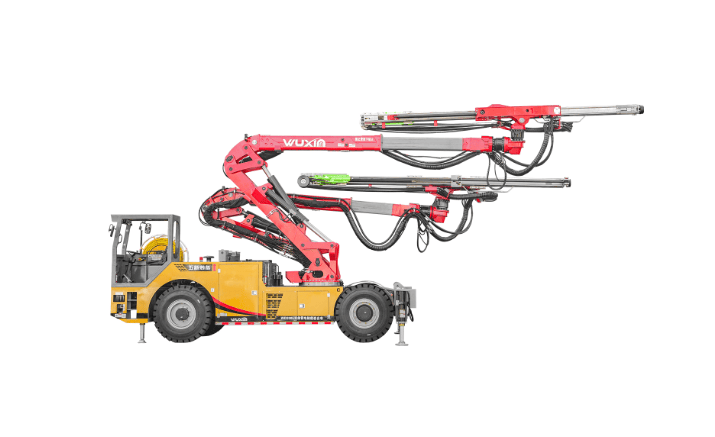
Double-Boom Computerized Rock Drilling Jumbo WD200E
Hunan Wuxin Intelligent Equipment Group Co., Ltd.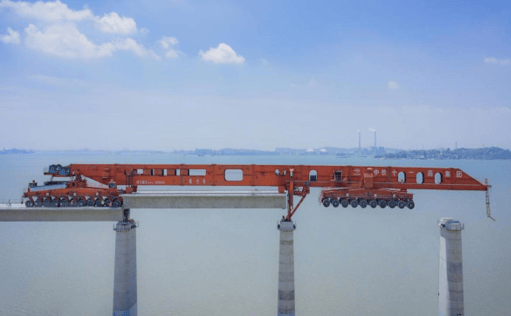
High-Speed Railway Lifting, Transporting, and Erecting Equipment: Integrated Transport and Erection Machine
Hanjiang Heavy Industry Co., Ltd. of China Railway 11th Bureau Group