Airbus Converts A350 Test Aircraft into Software-Defined Aircraft, Plans Test Flight Next Year
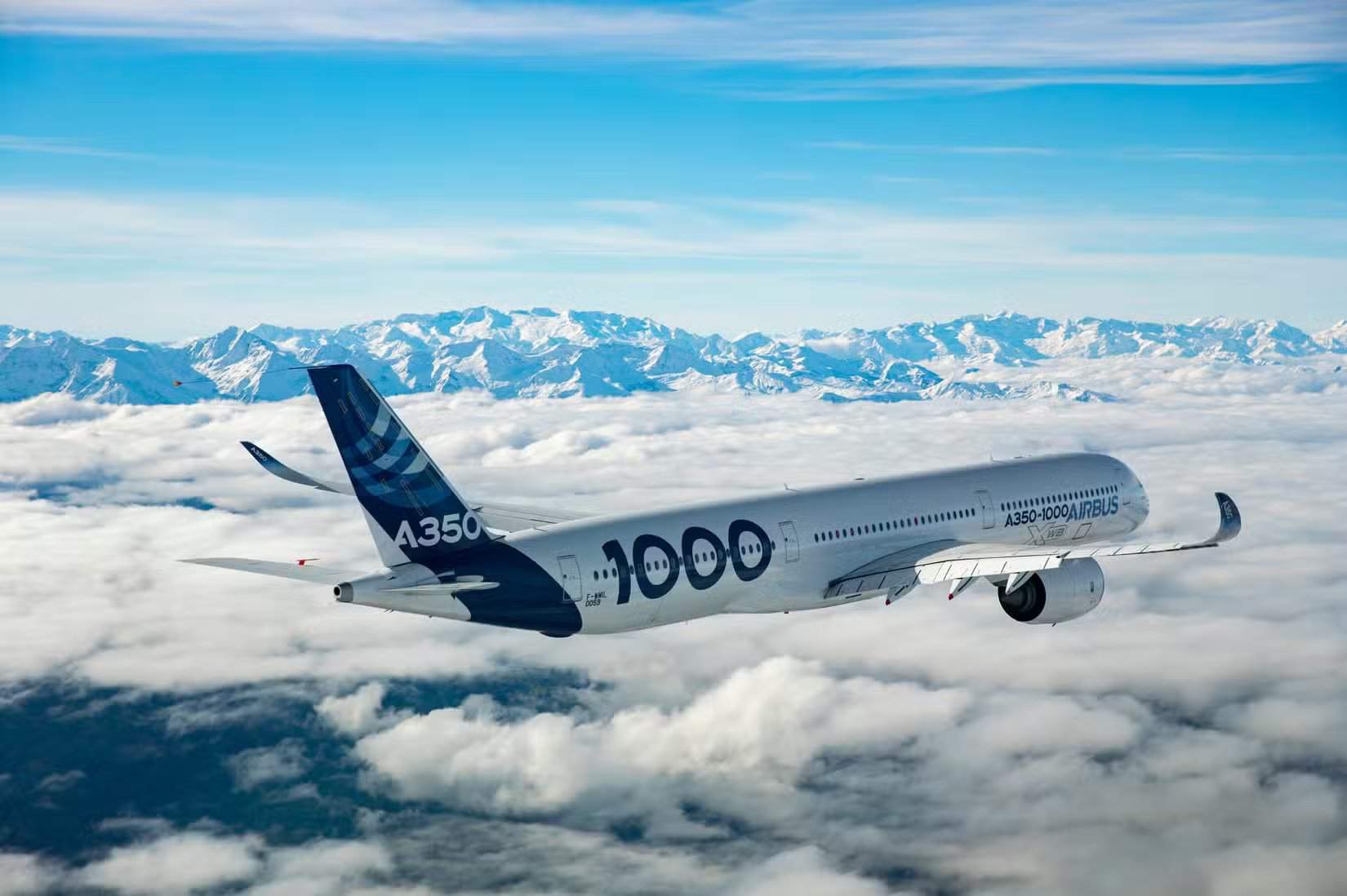
en.Wedoany.com Reported - Airbus is converting an A350-1000 flight test aircraft, MSN059, into a flight test platform for its Software-Defined Aircraft (SDA) program, integrating Mistral AI algorithms, with the first test flight planned for next year. Under Airbus's vision, next-generation aircraft will shift from fixed hardware configurations to a "fly by code" model, enabling function expansion and upgrades through over-the-air (OTA) updates.
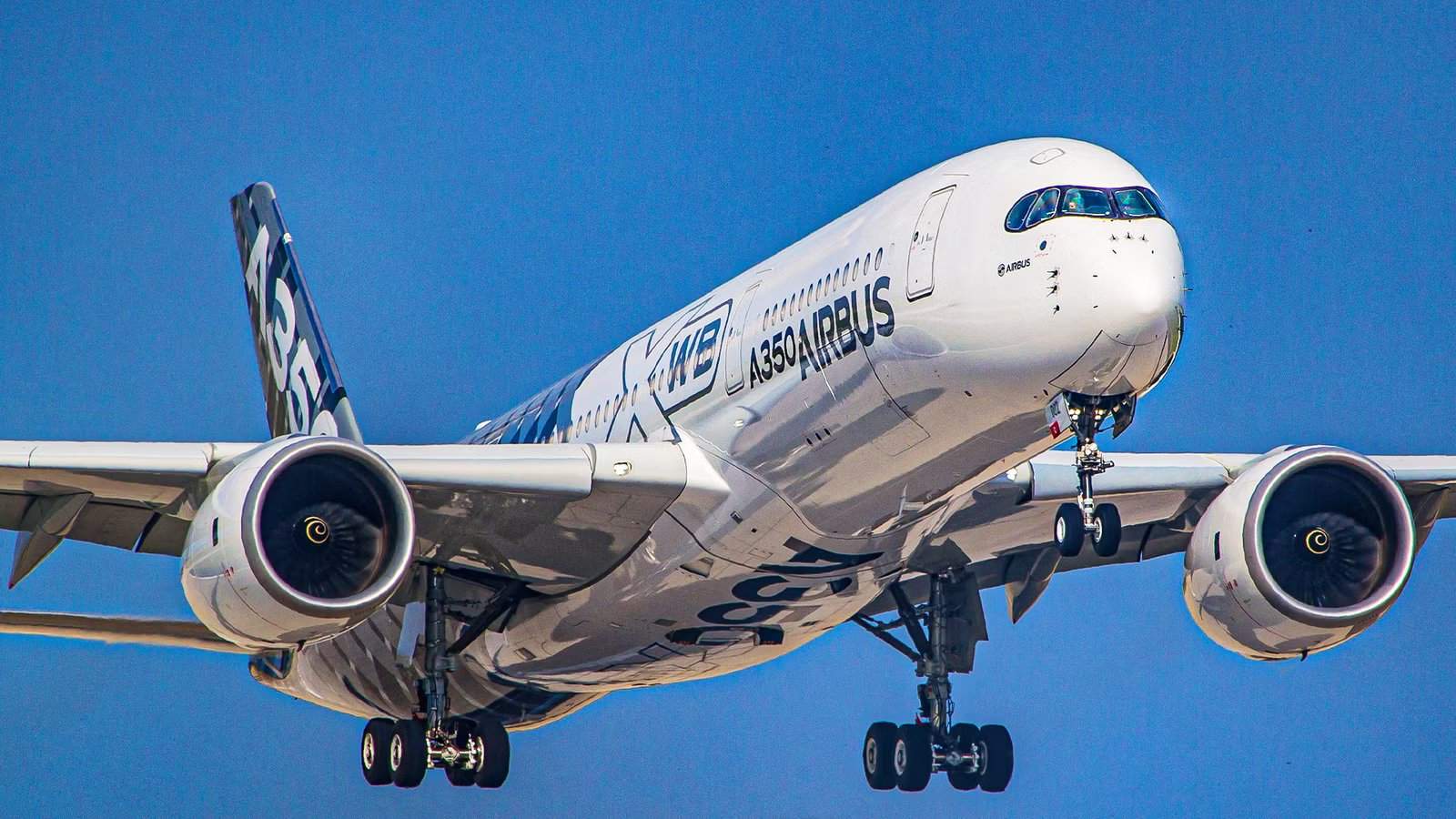
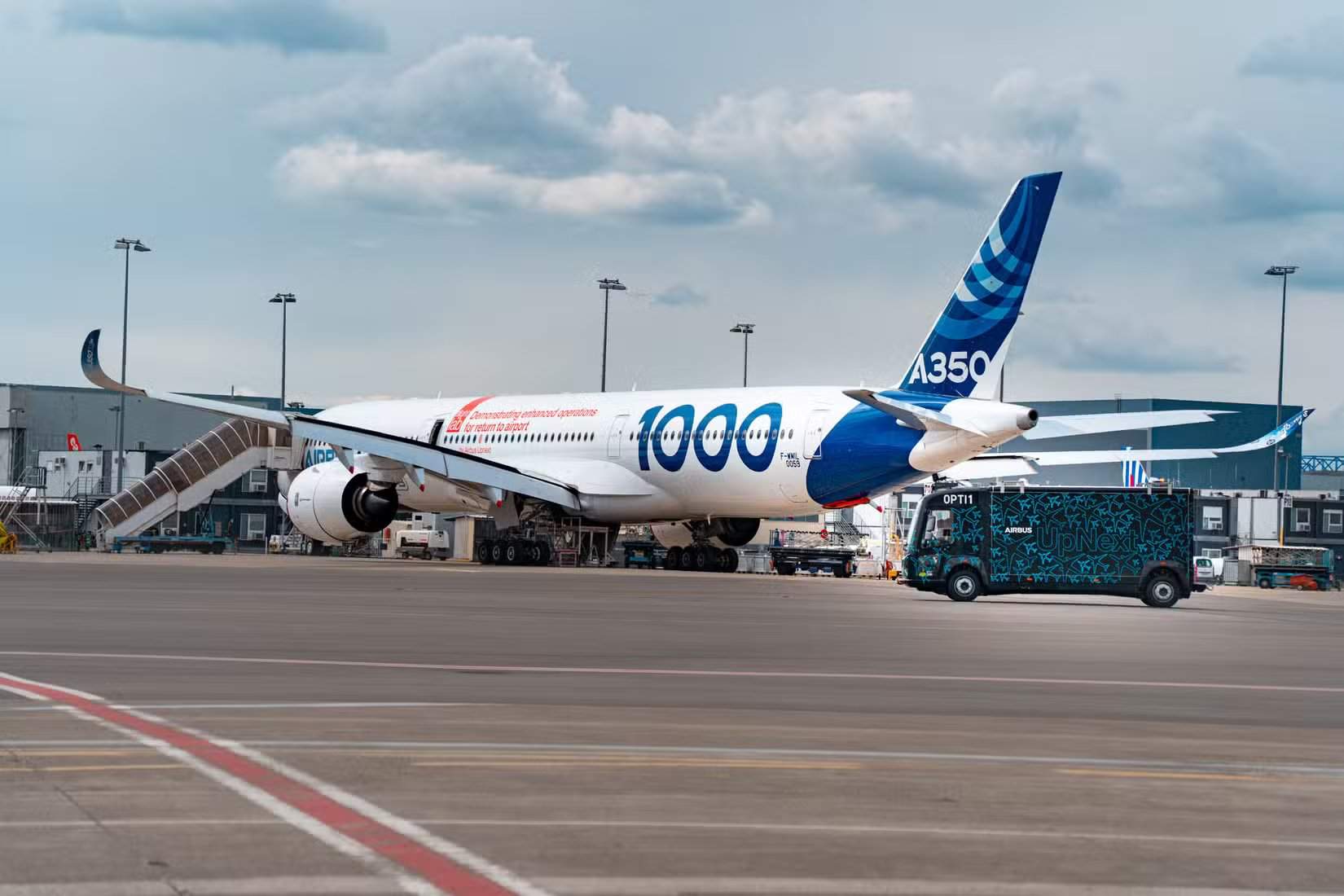
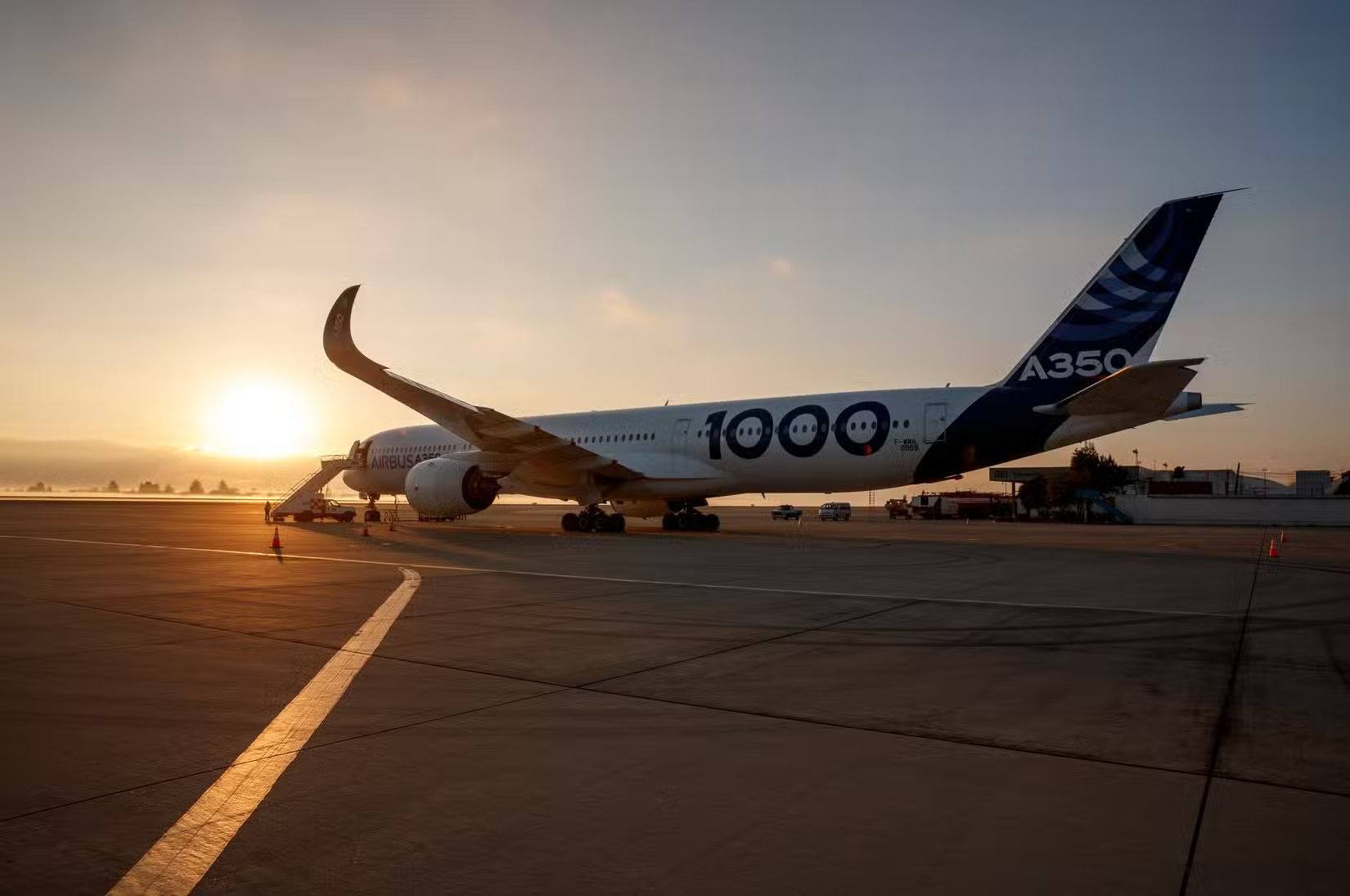
This test aircraft, serial number 059 and registration F-WMIL, was manufactured in 2016. After Airbus launched the Autonomous Taxi, Take-Off and Landing (ATTOL) project in June 2018, the aircraft completed the world's first fully vision-based autonomous takeoff. In 2022, MSN059 joined Airbus's UpNext project as the "Dragonfly" demonstrator, using 360-degree cameras to detect obstacles during the landing phase and validating automatic instrument landing system approaches and autonomous taxiway navigation. Airbus pioneered fly-by-wire technology in the 1970s, and this endeavor continues its trajectory of redefining aircraft control logic through software.
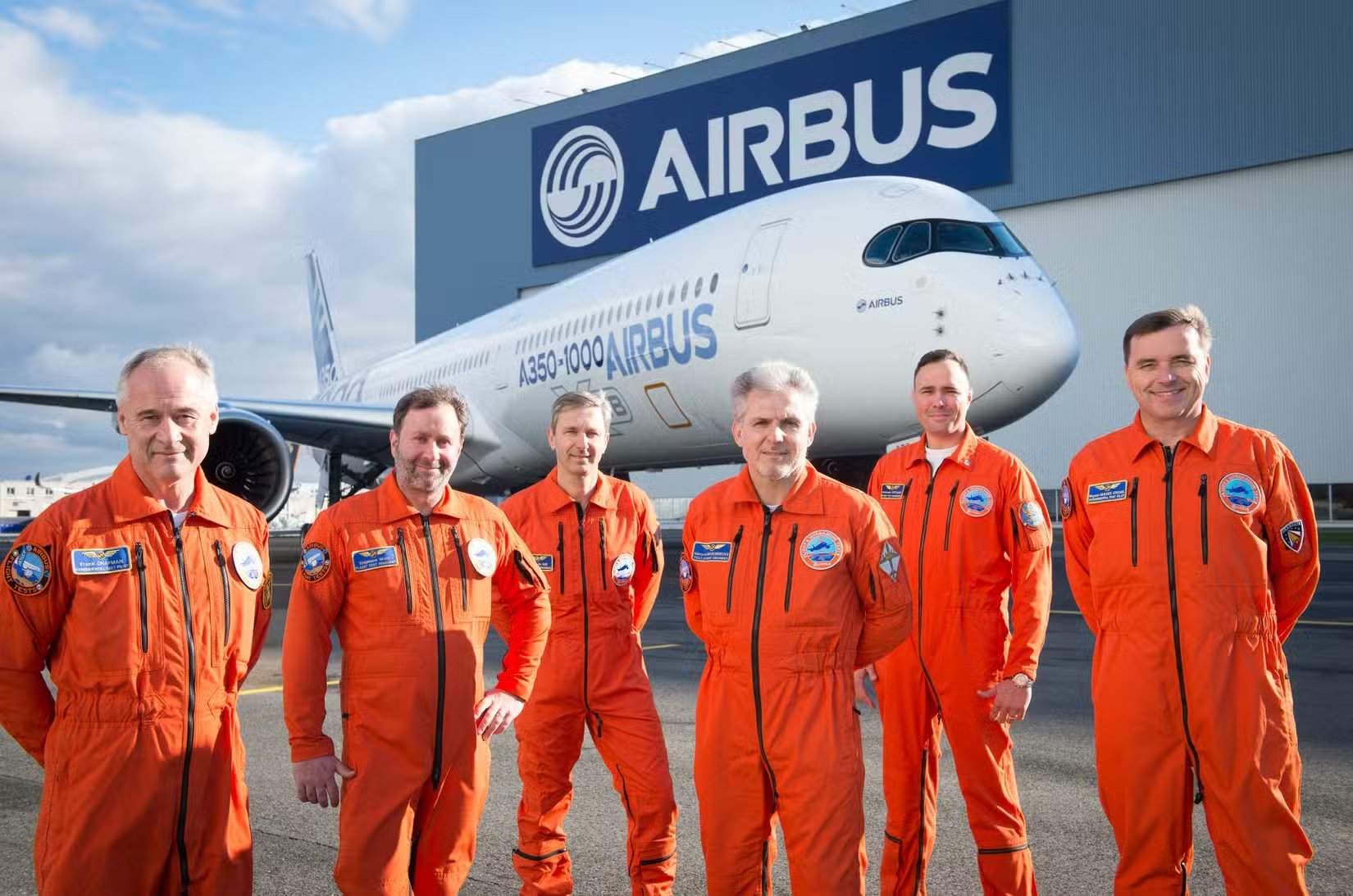
The goal of the SDA program is not to remove pilots from the cockpit, but to add a software-implemented "digital copilot" that serves as a safety net for the crew, reducing cognitive workload and minimizing human error in high-pressure scenarios. Maud Delourme, Airbus's Head of Multi-System Engineering and Integration, stated that by expanding computing power to automate high-workload tasks, crew responsibilities will shift from flight manipulation to strategic management, enabling safe decision-making in critical scenarios where human judgment is irreplaceable.
Airbus's formal partnership with Mistral AI was announced in May 2026, with a project duration of five years. Currently, MSN059 is conducting autonomous target recognition test flights, training the software to reliably identify runways under low-visibility and adverse weather conditions. Meanwhile, on the ground, Airbus is feeding MSN059's extensive historical flight logs and visual data into Mistral models to train and audit the SDA architecture before flashing it onto the physical aircraft. Airbus is also building a certified digital twin of the aircraft's vision system; once completed, it will launch millions of AI simulations in a high-fidelity test environment, iteratively validating through a feedback loop between flight test data and simulation results. Catherine Jestin, Airbus's Executive Vice President of Digital Business, stated that this collaboration aims to deploy trustworthy and responsible AI applications in the aerospace sector, building a foundation for current and future products and services through high-performance models and tailored support.
To bring such systems into passenger service, Airbus must obtain airworthiness certification from the U.S. Federal Aviation Administration (FAA) and the European Union Aviation Safety Agency (EASA). These two agencies not only audit the final code of the SDA system but also review training data, requiring Airbus to precisely demonstrate how the system responds to every input. The challenge lies in the fact that machine learning models make statistical judgments based on probabilities—for example, computer vision may produce different results under nearly identical conditions because a single raindrop or shadow changes the color of an individual pixel—and traditional line-by-line code audits cannot cover such uncertainty. Mistral AI's generative algorithms use large language models to reverse-engineer safety documentation and construct complex verification frameworks. Through MSN059 and Mistral AI, Airbus hopes to demonstrate to engineers which areas within the mathematical envelope AI can operate safely and which it cannot, while proving that 100% of the code has been tested and behaves consistently.
The SDA architecture turns applications such as the vision-based landing system into modular software, decoupled from physical avionics hardware, making OTA updates possible. Existing avionics software updates require technicians to board the aircraft and manually upload patches to each system box, grounding the aircraft for hours and posing risks of manual deployment errors. OTA simplifies this process to a data download while the aircraft is docked at the gate, and can simultaneously push autonomous landing capabilities, real-time safety patches, and computer vision updates to an entire fleet. Airbus also plans to push high-precision 3D visual airport profiles to aircraft software before takeoff, enabling aircraft to be informed of runway layout changes at remote airports before entering their airspace.
Cybersecurity in civil aviation is now regarded as an airworthiness safety issue. SDA aircraft transmit data via satellite or cellular networks during updates, facing risks such as signal interception, malicious code injection, and corrupted downloaded data. Adversarial attacks that deceive cameras with visual patterns could also interfere with AI computations. The FAA and EASA require Airbus to prove that the aircraft cannot be hacked, tampered with, or disabled at the digital level. Airbus's test aircraft trials also serve the task of providing protective solutions against these threats.
Airbus has set a timeline for its SDA architecture to establish the core framework by 2030 and achieve full FAA and EASA certification for the OTA system. Once this phase is completed, all subsequent next-generation aircraft programs will adopt the technologies validated on MSN059 and Mistral AI.
Related Products

GSR6-27.5kV SF6 Free Gas-insulated Metal-enclosed Switchgear
Zhejiang Juhonkia Intelligent Electric Co., Ltd.
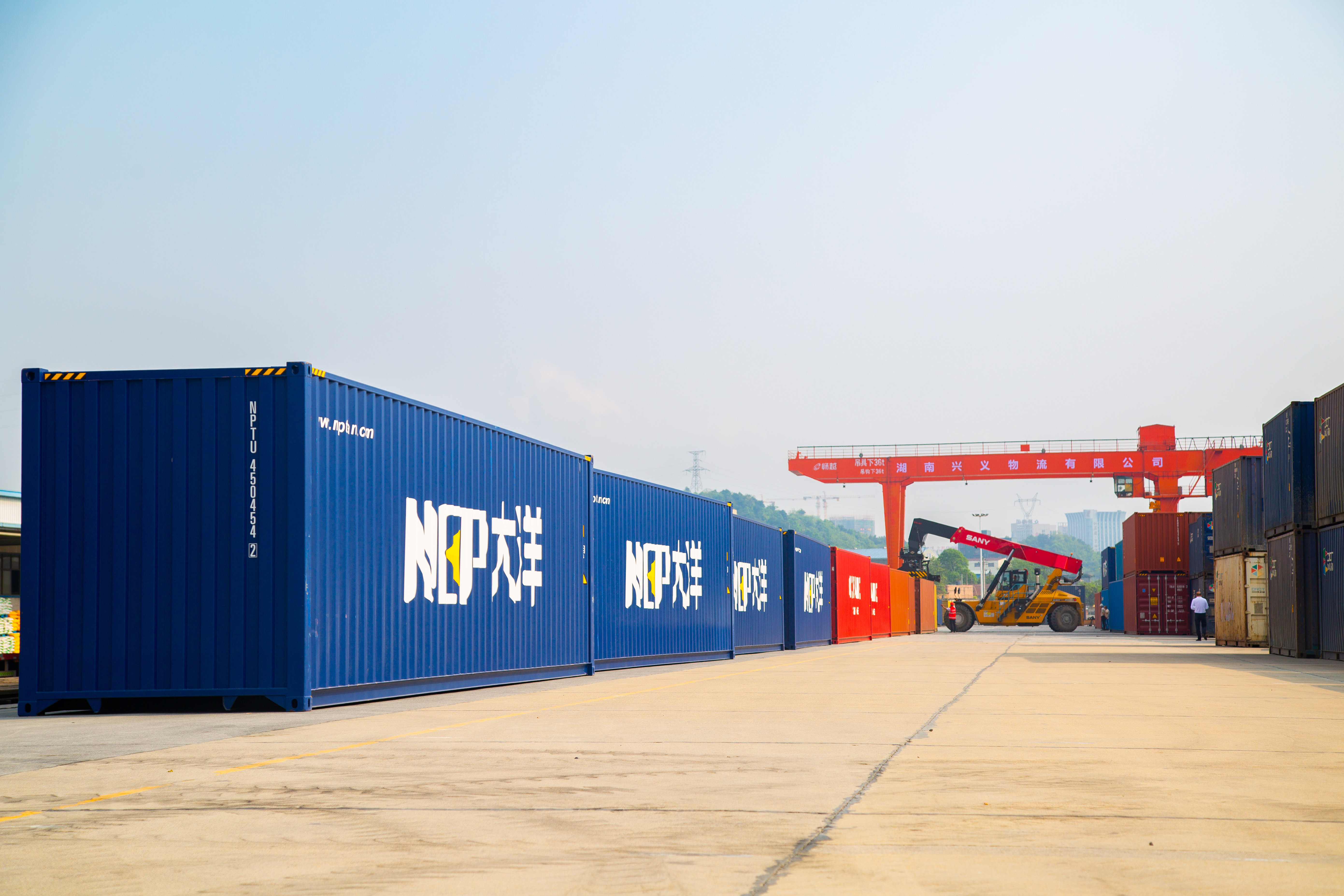
China - Alashankou/Khorgos - Europe Full Range Transportation (Mala/Hamburg/Duisburg/Budapest, etc.)
Shenzhen Neptune Logistics Co., Ltd.
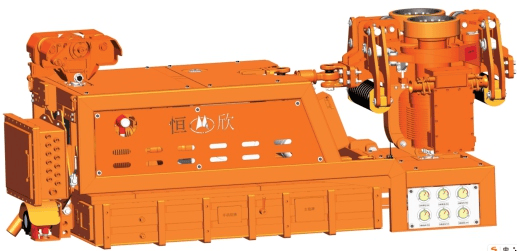
Explosion-proof lithium battery dispatching monorail crane locomotive (permanent magnet frequency conversion integrated machine)
Xiangtan Hengxin Industrial Co., Ltd.