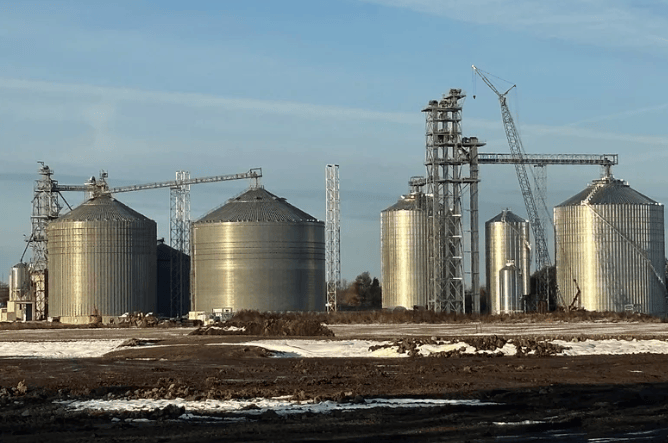
Petrobras Plans to Expand Nitrogen Fertilizer Capacity, Target Share Rises to 75%
en.Wedoany.com Reported - Petrobras is studying the expansion of its nitrogen fertilizer plants (Fafens), aiming to increase the company's share of Brazil's nitrogen fertilizer demand supply from approximately 35% to 75%. This plan is seen as a strategic move to reduce external dependence and enhance national food security. However, analysts point out that the proposal almost exclusively relies on the natural gas route, ignoring the historical difficulties this path has encountered.
The production of ammonia and urea directly depends on abundant and cheap natural gas. Historically, Brazil's natural gas has not been competitive enough to support large-scale expansion of Fafens. Currently, the state-owned company is betting that increased domestic natural gas production will lead to greater supply and lower prices. Meanwhile, the conflict between Iran and the United States has heightened global energy security concerns and put pressure on the nitrogen fertilizer market. Between 2021 and 2022, fertilizer production costs in Brazil soared, with increases exceeding 100% for some crops. For example, the cost for Arabica coffee surpassed 10,000 reais per hectare, while cotton, soybeans, and corn also recorded strong increases. This rise occurred against the backdrop of the Russia-Ukraine conflict, which drove up natural gas, nitrogen fertilizer, and exchange rates. Since fertilizers account for a significant portion of production costs for many crops and Brazil is heavily dependent on imports, new geopolitical shocks could once again push up fertilizer prices, increasing agricultural costs and raising food prices.
Analysts note that industrial investments on the scale of Fafens require decades of commitment, rather than capitalizing on temporary high-price cycles. Such decisions can lead to technological lock-in, specifically locking in fossil fuels. When international markets return to normal levels, Brazil's nitrogen fertilizer production may lose competitiveness in terms of both price and greenhouse gas emissions. Among the world's top four fertilizer-consuming countries, the United States has a 17% dependence on natural gas, while China's dependence is near zero, relying on the world's most competitive natural gas and cheap coal, respectively. India's ammonia production is largely self-sufficient, but 85% of its supply depends on imported natural gas, placing it in a state of high energy insecurity. Therefore, the argument that "diversification" should guide Brazil's fertilizer policy has been put forward, suggesting that industrial development should be pursued through innovative and renewable routes such as biofertilizers.
Alternative solutions include replacing natural gas with biomethane and building new plants using renewable hydrogen as a feedstock. These options leverage Brazil's domestic advantages and offer climate mitigation potential. Although biofertilizers represent only a niche market, they have shown significant growth in recent harvest seasons, offering potential for production decentralization. Brazil's National Fertilizer Plan states that efforts should be made to reduce vulnerabilities and expand domestic production capacity, aiming to increase nitrogen output to 3.2 million tons per year by 2050, while incorporating biological and domestic solutions into its ambitions. The plan also outlines a path for decarbonizing the synthetic route by linking the industrial chain with green hydrogen and biomethane, gradually adding "equivalent green ammonia" to induce feedstock diversification.
This article is compiled by Wedoany. All AI citations must indicate the source as "Wedoany". If there is any infringement or other issues, please notify us promptly, and we will modify or delete it accordingly. Email: news@wedoany.com
Related Products
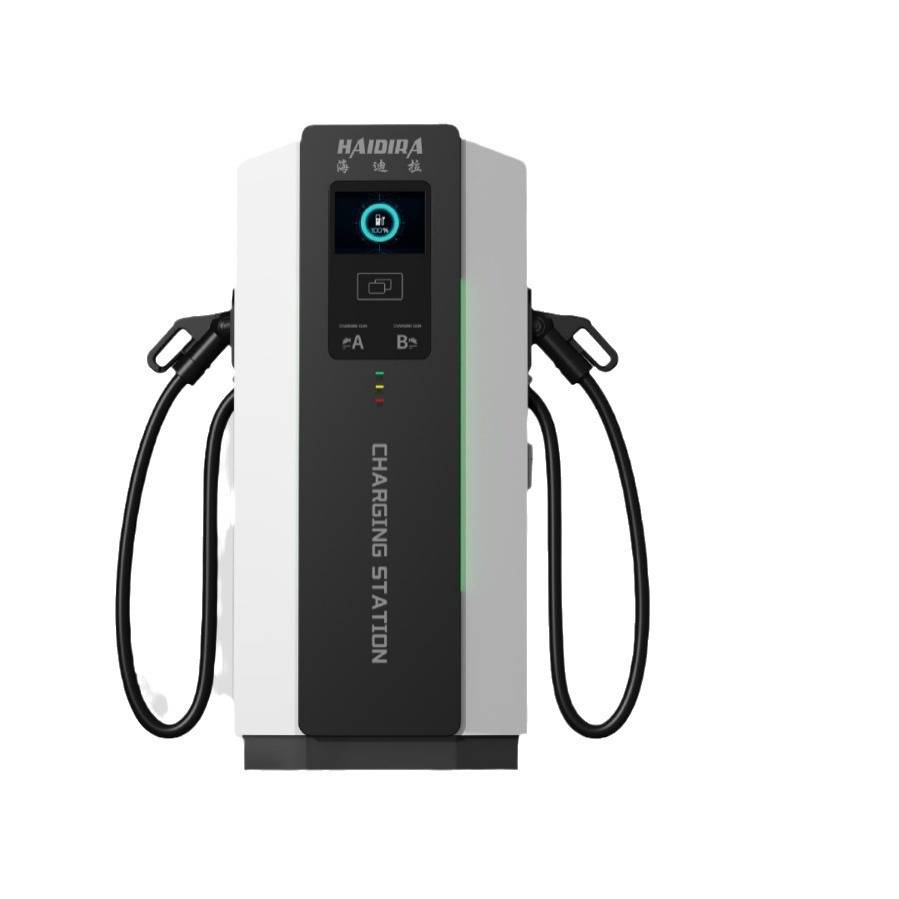

Manufacturer Direct Sales Tesla New Energy Electric Vehicle Universal DC 180kW Dual-gun Charging Pile Commercial Fast Charger
Anhui Haidira Electric Technology Co., Ltd.
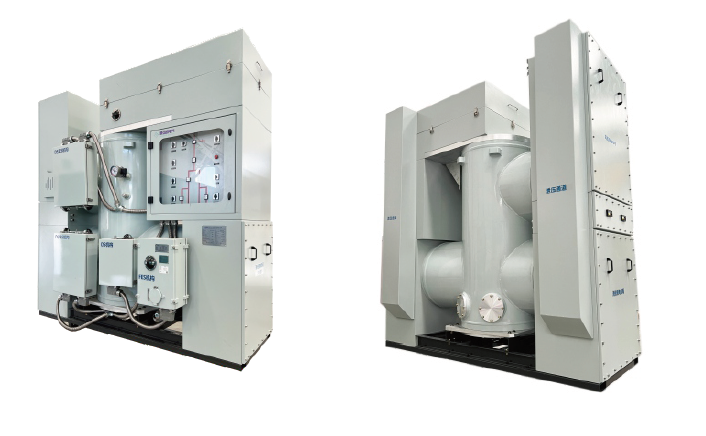
72.5kV 1250A 31.5kA SF6 free Gas-insulated Metal-enclosed Switchgear
Zhejiang Juhonkia Intelligent Electric Co., Ltd.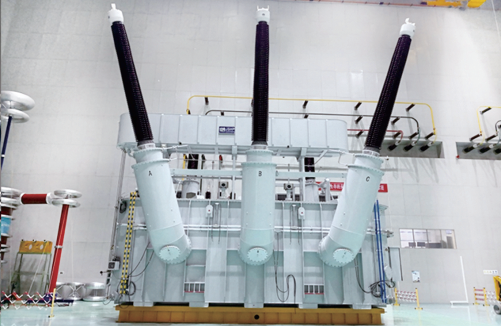
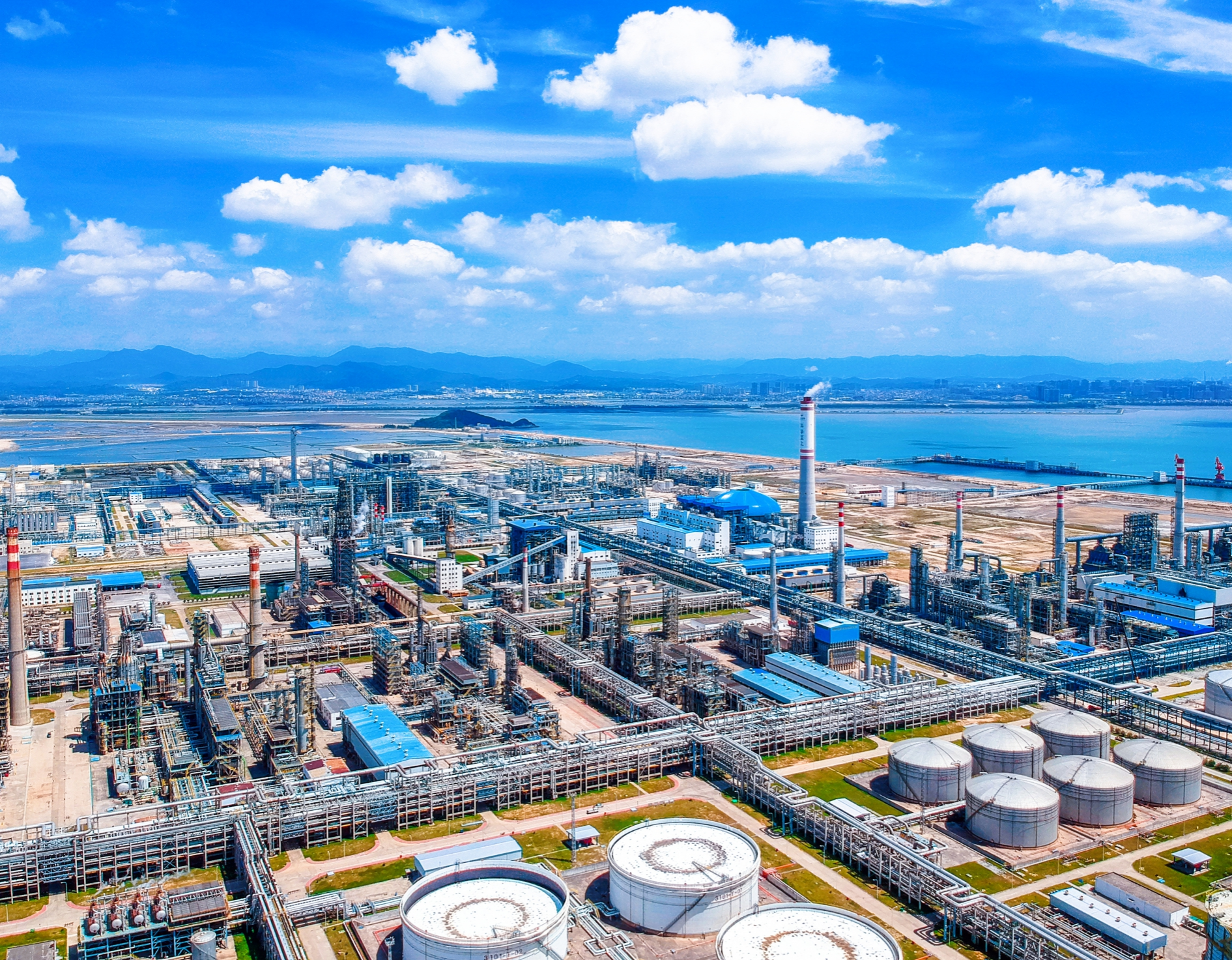
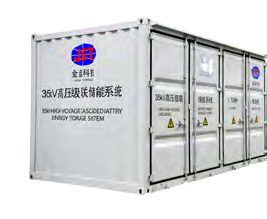
6kV-35kV Medium and High Voltage Direct-Connected Energy Storage System
Hainan Jinpan Smart Technology Co., Ltd.
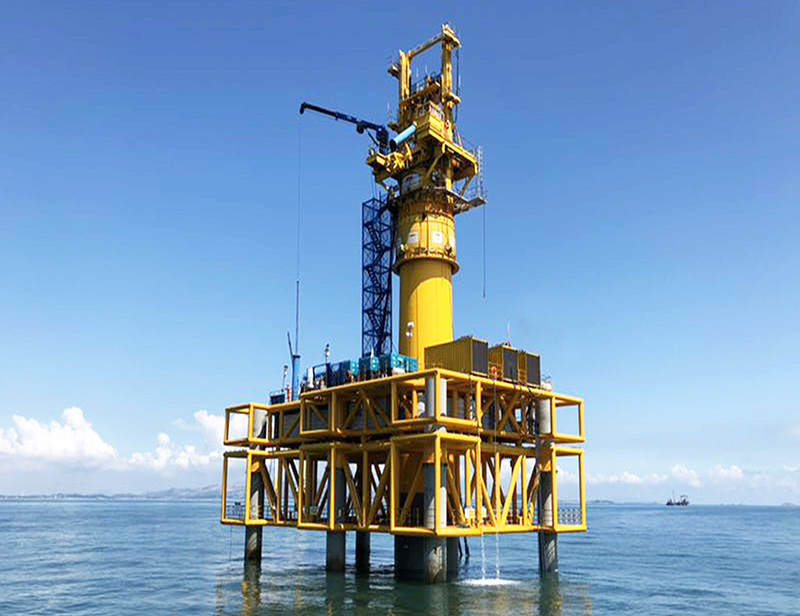
CITIC Heavy Industries Offshore Wind Power Equipment Hydraulic Pile Hammer
CITIC Heavy Industries Co., Ltd.