AGCO Brazil unveils new ethanol and biomethane engines, reducing emissions by 90%
en.Wedoany.com Reported - AGCO has made progress in its sustainable innovation strategy, showcasing new power solutions developed specifically for the agricultural sector, including AGCO Power ethanol and biomethane engines designed by the Brazilian engineering team.
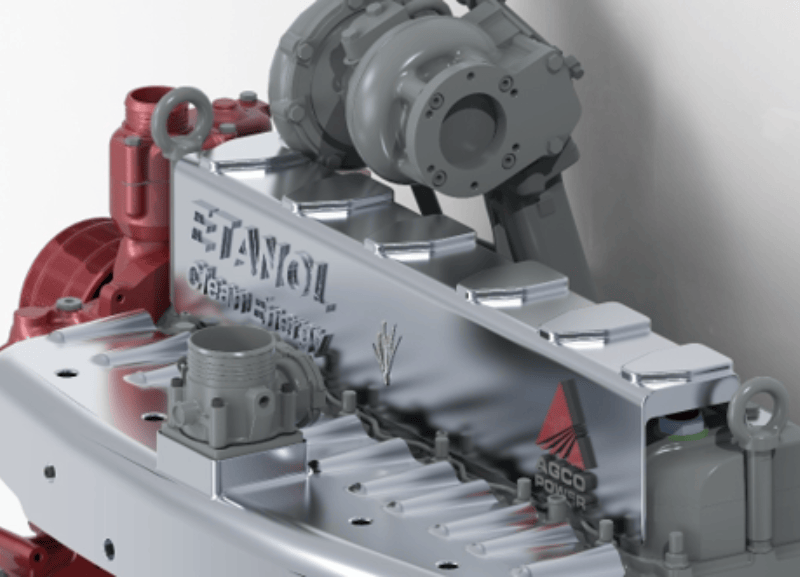
These new technologies are designed to meet the demands of agricultural production for productivity, efficiency, and decarbonization, with performance comparable to diesel engines. The new engines are intended to power tractors in the 200 to 300 horsepower range, suitable for demanding field operations such as tillage, planting, and transport. André Rocha, Director of AGCO Power, stated that the recent rise in diesel prices has directly impacted field production costs, leading to the development of these new engines to meet the urgent market need for cost reduction and lower harmful gas emissions.
The new engines are the result of a three-year development effort by AGCO's Brazilian engineering team in collaboration with rural producers, sugar mills, and dealers, covering everything from concept design to validation under real working conditions in sugarcane and grain crops. Unlike retrofitting traditional engines, these new solutions were designed from the outset to run on their respective biofuels. For ethanol, the team developed dedicated ignition and injection systems to ensure performance, durability, and reliability equivalent to diesel engines. This technology also expands the potential for on-farm energy self-sufficiency; for example, for producers growing sugarcane or corn, using ethanol helps establish their own energy cycle on the farm, reducing dependence on external fuels.
Fabricio Natal, Vice President of Engineering for Latin America and APA, emphasized that the AGCO Power ethanol engine was designed from the start as an agricultural engine capable of withstanding harsh field conditions. The team has completed over 10,000 hours of practical testing, and this technological maturity ensures the same torque curve and component durability as diesel engines, while providing quieter and more efficient machines. In addition to ethanol, AGCO has also introduced technology powered by biomethane, derived from agricultural waste and biomass conversion, expanding energy utilization possibilities in rural areas, particularly in major production regions for sugarcane, corn, and other raw materials that generate biogas.
From an environmental perspective, these new technologies represent progress in low-carbon agriculture. Both ethanol and biomethane are part of the renewable carbon cycle, reducing CO2 equivalent emissions by up to 90% compared to fossil fuels. Furthermore, they offer opportunities for generating carbon credits and enhancing energy self-sufficiency in rural areas. It is reported that the biomethane version is expected to be available in 2027, and the ethanol technology version in 2028. These new engines expand the energy options available for agriculture and reflect the progress of biofuels as a choice for more efficient and sustainable farming operations.
This article is compiled by Wedoany. All AI citations must indicate the source as "Wedoany". If there is any infringement or other issues, please notify us promptly, and we will modify or delete it accordingly. Email: news@wedoany.com
Related Products


Overseas IEC Gateway Energy Meter - DTSD341/DSSD331-aMeter390
Wasion Group Limited Co., Ltd.
Industrial and Commercial Point-Type Gas Detector
Jinan Benan Technology Development Co., Ltd.
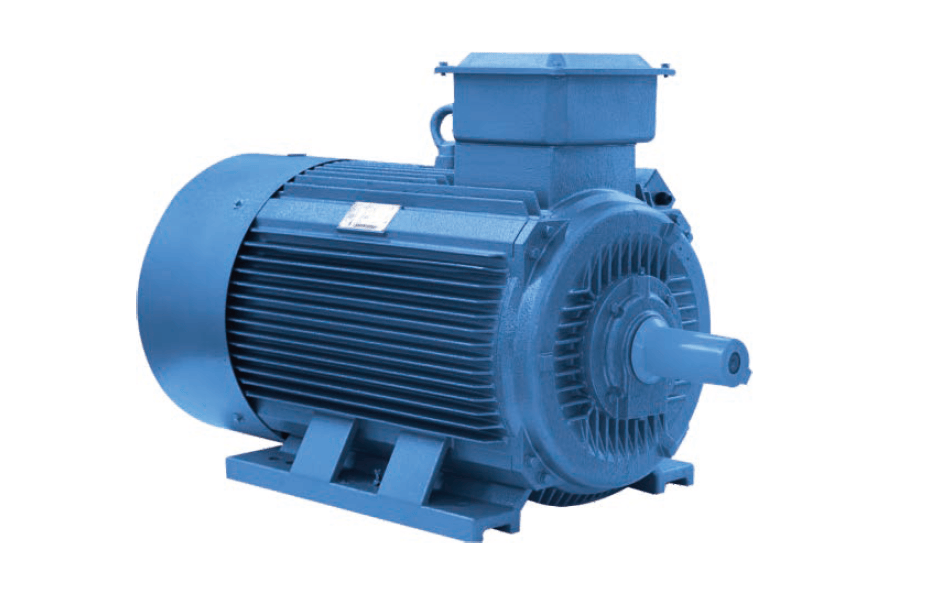
TYC Series High-Efficiency Permanent Magnet Synchronous Motor
Xiangdian Smart Energy Technology Co., Ltd.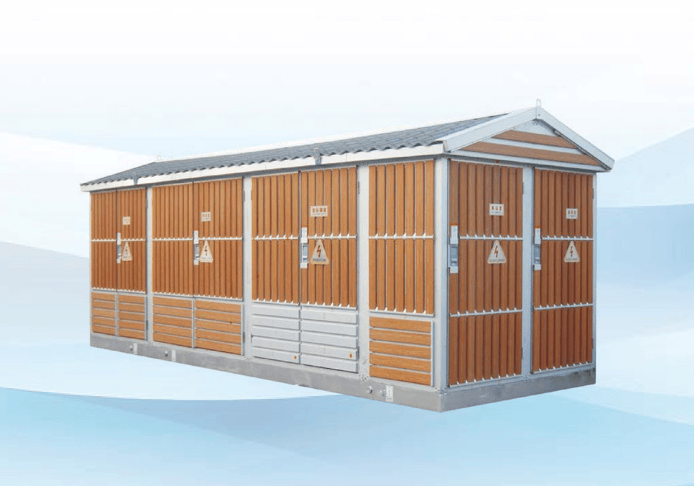
YB □ -12/0.4/1250 Outdoor Prefabricated Substation (European Style)
Shangrao Shangyu Intelligent Electric Co., Ltd.
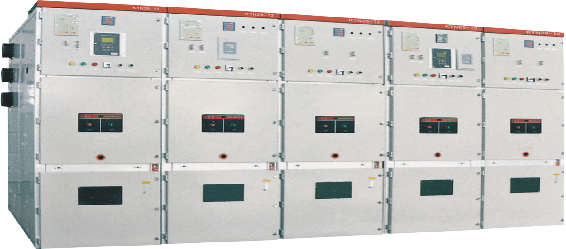
KYN28-12/24 Indoor High-Voltage Metal-Clad Removable Switchgear
Shenzhen Zhaoyang Hui Technology Co., Ltd.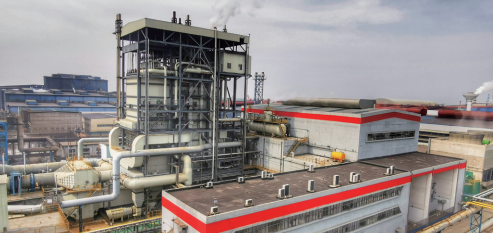
Jiujiang Pinggang 125MW Subcritical Gas Power Generation Project
Capital Engineering & Research Incorporation Limited
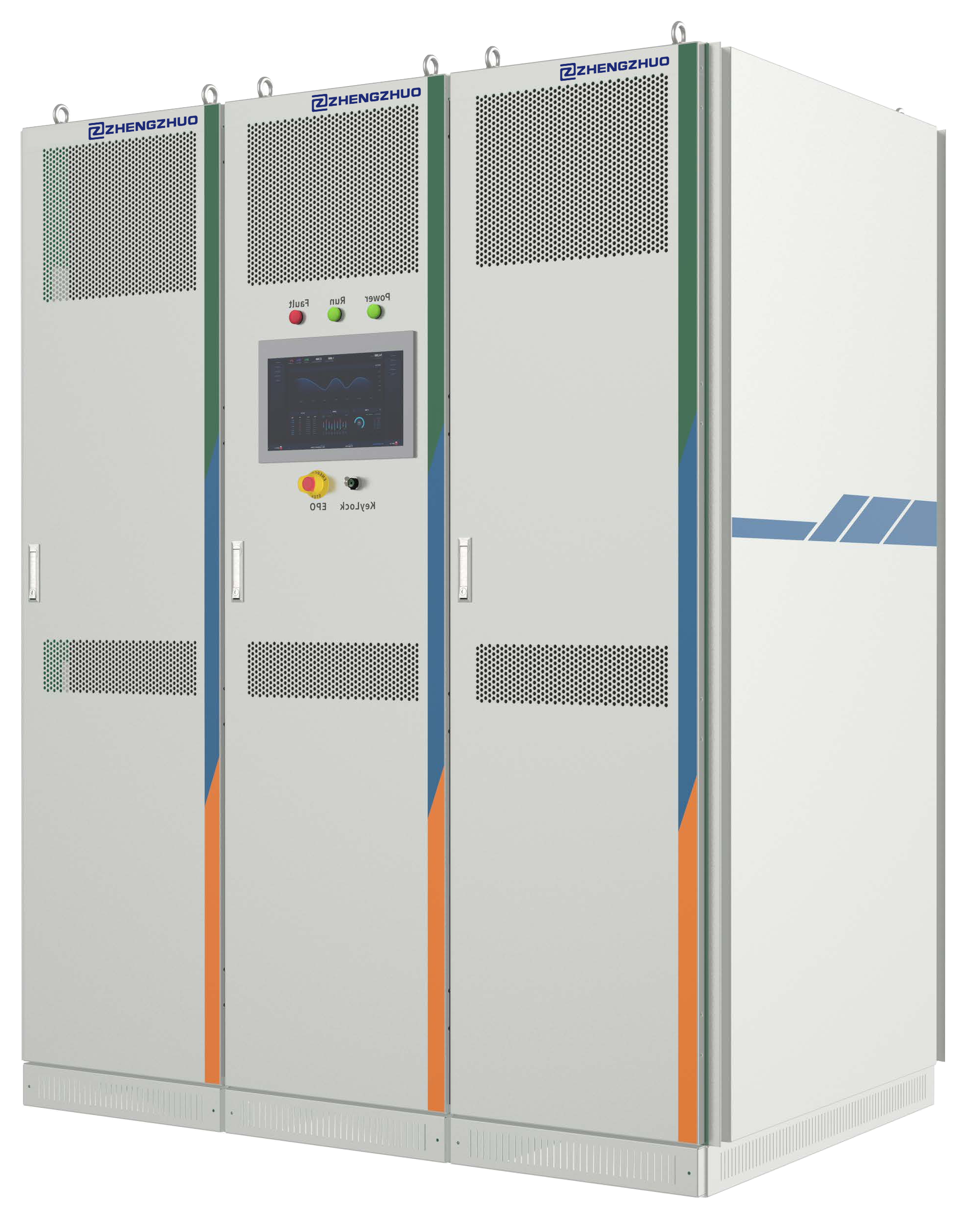
IGBT Hydrogen Production Power Supply - High Power Air Cooling
Beijing Zhengzhuo Engineering Technology Co., Ltd.