en.Wedoany.com Reported - Under the 2023-2032 public service contract, the Belgian National Railway Company (SNCB) has committed to reducing traction energy consumption by 10% and building energy consumption by 40% compared to the 2005 baseline. As Belgium's largest single electricity user, SNCB consumed 1078 GWh of electricity in 2025, an annual consumption comparable to that of a city like Namur or Mechelen. To achieve this goal, the operator has launched a multi-pronged strategy encompassing a fleet-wide eco-driving program, regenerative braking deployment, and photovoltaic expansion, with the Belgian federal government also a party to the contract.
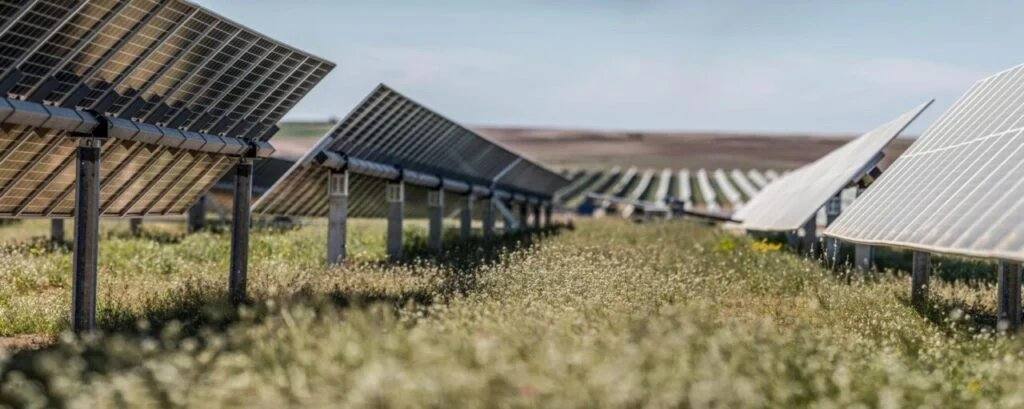
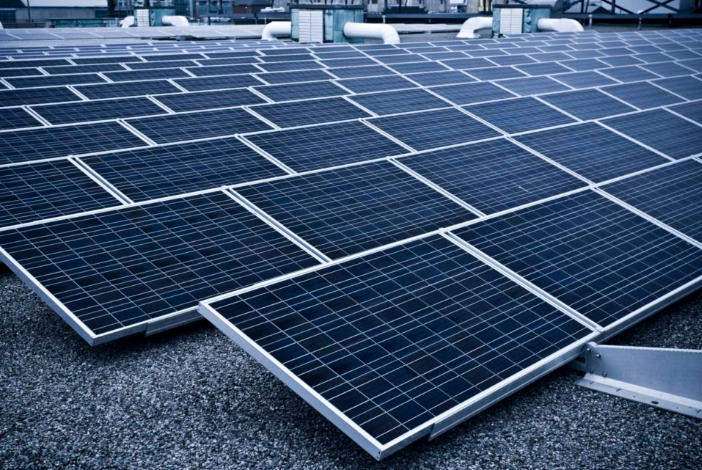
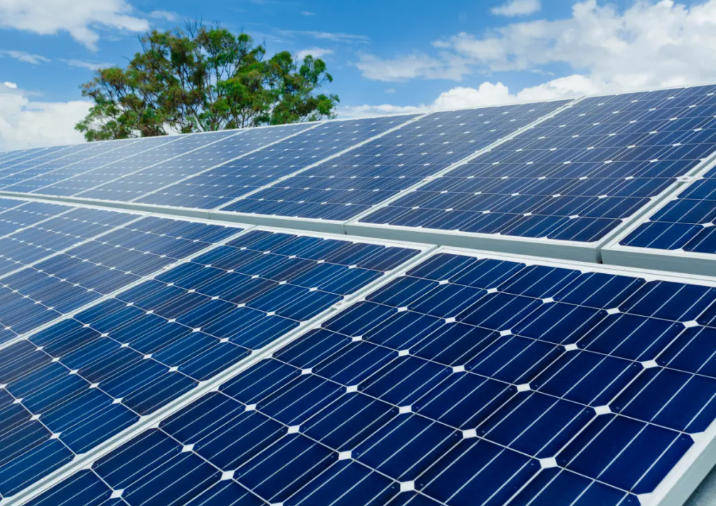
SNCB's energy efficiency plan includes three integrated systems: real-time eco-driving advice via the eDrive tablet platform, regenerative braking energy recovery for Desiro and M7 vehicles, and a photovoltaic expansion targeting a total installed capacity of 40 MWp at over 29 stations. The eDrive system calculates optimal speed using timetable data, route characteristics, and real-time traffic conditions, displaying recommended speeds to drivers to eliminate unnecessary acceleration and braking. Regenerative braking on new trains feeds recovered energy back into the overhead catenary for immediate use by other trains on the same section. SNCB's national network operates approximately 3800 daytime trains daily. In terms of photovoltaics, SNCB generated nearly 8 GWh of electricity in 2025 using its installed 8.3 MWp photovoltaic capacity, and plans to quintuple this generation by 2032.
In comparison with the European market, several operators have adopted eco-driving advisory platforms, achieving 5-12% savings in traction energy consumption. France's national railway company (SNCF), with its Opti-Conduite system deployed on its TGV and regional services since 2018, reports average energy savings of 7-10% through real-time speed optimization algorithms (Source: SNCF, 2021). Germany's Deutsche Bahn has integrated energy-saving driving advice into its EBuLa electronic timetable system for its ICE and regional fleets, claiming reductions of 6-11% depending on route topology (Source: DB AG, 2022). The regenerative braking capability equipped on SNCB's Desiro electric multiple units (manufactured by Siemens Mobility) and M7 double-deck coaches (produced by the Alstom-Bombardier consortium) is similar to the technology deployed by Dutch Railways (NS) on its VIRM and SNG fleets and by Austrian Railways (ÖBB) on its Cityjet vehicles. In terms of photovoltaic power generation, SNCB's target of 40 MWp by 2032 lags behind SNCF's goal of achieving 1000 MWp across its portfolio of stations and technical buildings by 2030 (Source: SNCF Renouvelables, 2023), but exceeds UK's Network Rail's target of 30 MWp on its non-traction estate by 2029 (Source: Network Rail, 2024). The broader European context shows accelerating grid-side investment, with Europe dominating the world's largest construction deals in the first quarter of 2026, driven primarily by grid modernization and clean energy construction related to railway and urban transportation infrastructure (Source: PitchBook, Q1 2026).
Compared to the industrial sector, Stellantis aims for on-site self-consumption to account for 31% of its energy usage at its European plants by 2026, with targets as high as 80% for leading production sites, revealing a gap between industrial self-generation leaders and railway operators expanding photovoltaic capacity from a low base (Source: Stellantis, 2025). SNCB's current annual photovoltaic generation of 8 GWh represents less than 0.75% of its total consumption of 1078 GWh, meaning that even expanding to 40 MWp (a fivefold increase) would only satisfy a single-digit percentage of total demand without additional off-site renewable energy procurement. The operator has not disclosed the specific expected generation in GWh for the 40 MWp target.
This article is compiled by Wedoany. All AI citations must indicate the source as "Wedoany". If there is any infringement or other issues, please notify us promptly, and we will modify or delete it accordingly. Email: news@wedoany.com