Madrid Metro to Deploy 40 Cooling Units on Lines 1 and 5 in 2026
en.Wedoany.com Reported - Metro de Madrid activated 40 platform cooling units at 20 stations along Lines 1 and 5 on June 4, 2026, advancing the implementation of seasonal heat mitigation measures by three weeks compared to previous years. These units utilize water evaporation cooling technology and operate automatically from 11:30 to 21:30 when outdoor temperatures exceed 30°C or when the Spanish State Meteorological Agency (AEMET) issues a heatwave alert. This initiative has been implemented for the third consecutive year, with this year's efforts also including increased inspection frequency of train air conditioning systems and the suspension of automatic door opening functions to reduce cool air loss.
The cooling units are deployed at 20 underground stations on Lines 1 and 5, with two units installed per station. Target stations include high-traffic interchange stations such as Sol, Chamartín, Atocha, Callao, Alonso Martínez, and Gran Vía, as well as residential area entry points like Alto del Arenal and Acacias. Concurrently, Metro de Madrid conducts more frequent cyclical inspections of all train air conditioning systems, requiring any faults to be repaired within one day; the automatic door opening function has been suspended to minimize cool air leakage between platforms and carriages.
The international urban rail transit knowledge-sharing organization COMET has listed heat mitigation and climate adaptability as core discussion topics, bringing together representatives from Barcelona, Berlin, and other global metro systems. In the United States, the Chicago Transit Authority has implemented a maintenance program for Red Line trains, including major overhauls of air conditioning systems. Spain's economy is projected to grow by 2.1% in 2026, a trend that may support infrastructure investment. Metro de Madrid or the regional government has not yet officially disclosed the total investment or unit cost of the units, nor have specific station selection criteria been published for Lines 1 and 5, but these two lines include some of the deepest and busiest stations in the network, where heat accumulation is most severe. (Sources: RailBusinessUK, 2026; Chicago Tribune, 2026)
This article is compiled by Wedoany. All AI citations must indicate the source as "Wedoany". If there is any infringement or other issues, please notify us promptly, and we will modify or delete it accordingly. Email: news@wedoany.com
Related Products


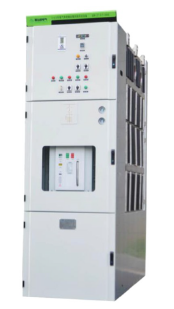
GSR6-27.5kV SF6 Free Gas-insulated Metal-enclosed Switchgear
Zhejiang Juhonkia Intelligent Electric Co., Ltd.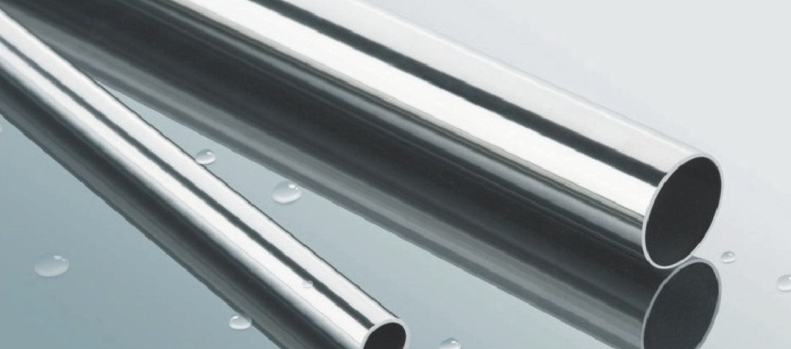
ERW Welded Pipe (Black Pipe and Hot-dip Galvanized Steel Pipe)
Handan Zhengda Steel Pipe Co., Ltd.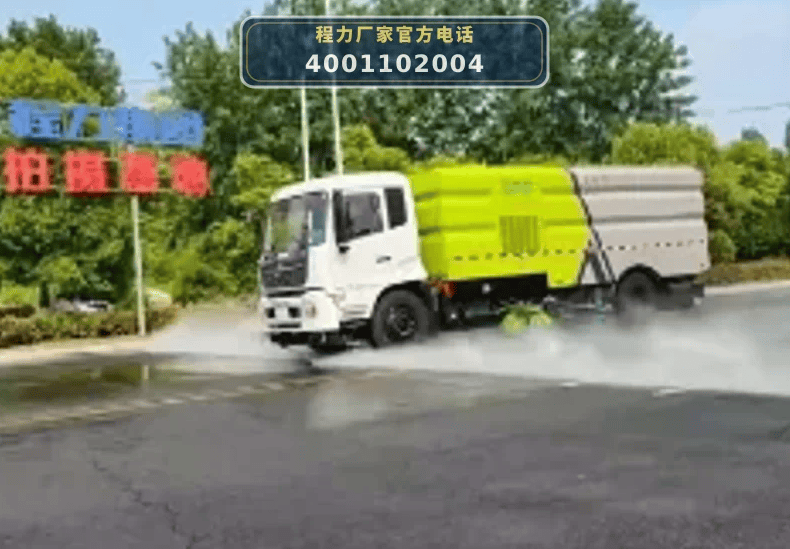
CLW5180TXSD6 Dongfeng Tianjin Washing and Sweeping Truck
ChengLi Special Automobile Co., Ltd.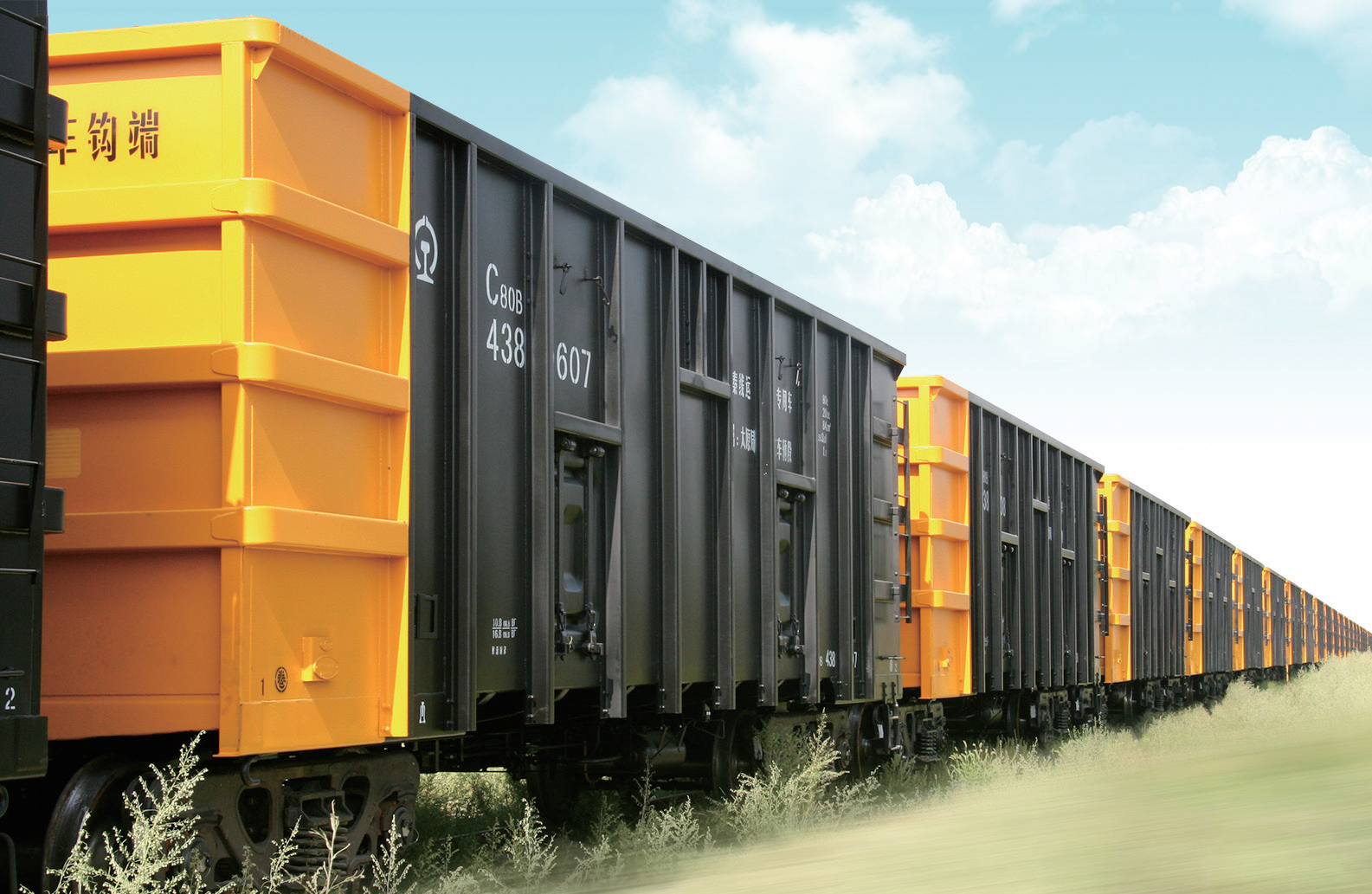
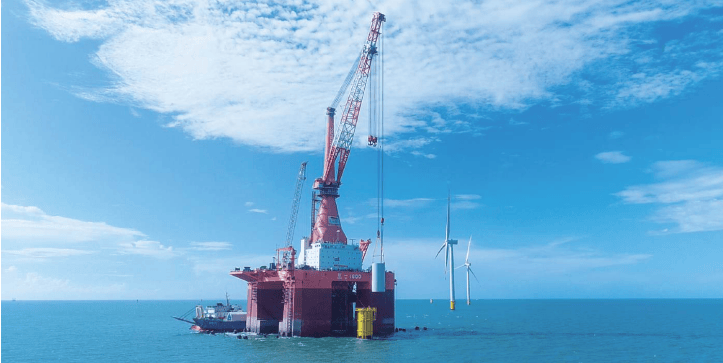
"Shunyi 1600" Deep-submerging Bottom-sitting Multi-functional Wind Power Engineering Vessel
Zhengli Offshore Engineering Co., Ltd.
Industrial and Commercial Point-Type Gas Detector
Jinan Benan Technology Development Co., Ltd.
![IVECO Cash-in-Transit [DMT5048XYCL3-AM] - Chongqing Dima Industry Co., Ltd](https://img.wedoany.com/2026/0911/20260911030157582.png)