Three French operators to acquire and split SFR for €20.35 billion
en.Wedoany.com Reported - The French telecom market is witnessing one of its largest consolidation deals in recent years. Bouygues Telecom, Free-iliad Group, and Orange have signed a memorandum of understanding with Altice France to acquire the main business assets of SFR, with the transaction valued at €20.35 billion, approximately €20.4 billion. Upon completion, France's second-largest telecom operator, SFR, will be divided among three competitors, shifting the French mobile communications market from a four-operator competitive landscape to a three-player dominant structure.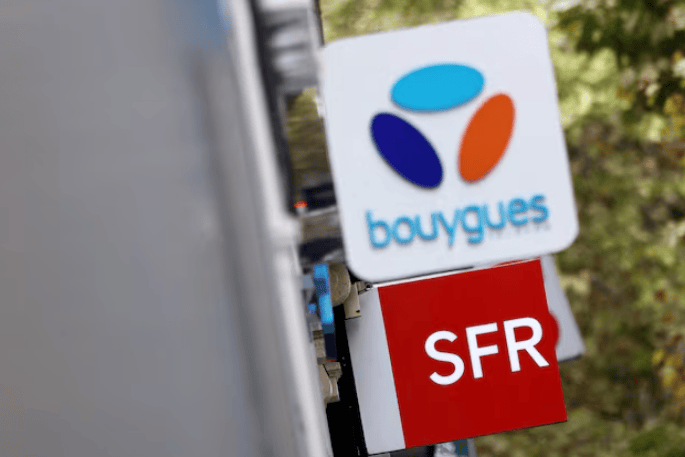
Under the agreement, Bouygues Telecom, Free-iliad, and Orange will bear approximately 42%, 31%, and 27% of the transaction consideration, respectively. The acquisition primarily covers SFR's telecom business assets in mainland France, while ACS/Intelcia, XP Fibre, Ultraedge, Altice Technical Services, and operations in French overseas departments and territories are excluded from this transaction. In terms of business allocation, SFR's enterprise customer business will mainly be taken over by Bouygues Telecom, while individual user business will be split among the three operators. Spectrum, infrastructure, and network resources will also be redistributed according to the transaction plan.
The core impact of this deal lies in the restructuring of the French telecom market. SFR has long been one of France's major mobile and fixed broadband operators, possessing a large number of mobile users, broadband subscribers, enterprise clients, spectrum resources, and network assets. If the transaction is approved, Bouygues Telecom, Free-iliad, and Orange will each absorb different business segments of SFR, altering their market shares in mobile, broadband, enterprise services, and network infrastructure. For users, the most immediate concerns will be package pricing, service quality, network coverage, customer migration, and brand continuity.
The sale of SFR is also linked to Altice France's debt pressures. The Altice Group has faced high liabilities in recent years, and SFR, as its core asset in the French market, has long been seen as a key component for debt reduction and asset restructuring. The joint acquisition by three operators prevents any single buyer from bearing the full transaction burden and presents regulators with a more complex asset split plan. The transaction parties aim to mitigate the concentrated impact on any one operator's market share through business segmentation, but this structure itself will make antitrust scrutiny more complicated.
Regulatory approval will be the biggest variable determining whether the deal can proceed. Reducing the French telecom market from four basic network operators to three could raise concerns about price increases, reduced competition, and fewer choices for users. The European Union and French competition authorities have historically favored maintaining a four-operator mobile market to sustain competitive intensity. The transaction parties must demonstrate that the consolidation can deliver quantifiable benefits in network investment, service quality, spectrum efficiency, and operational costs, with a portion of these benefits passed on to consumers.
Employee and customer transitions also require careful planning. After SFR's assets are split, enterprise clients, individual users, network sites, spectrum resources, customer service systems, and backend operations will need to be migrated or restructured. Telecom operator integrations often involve IT system switches, billing system mergers, network interconnection adjustments, and brand strategy changes, which can be time-consuming. If user migration experiences are unstable, short-term service disruptions, increased customer service pressure, and customer churn may occur. The transaction parties have made arrangements for employee representation procedures and regulatory processes, but the final completion timeline depends on the pace of review.
The French government and regulatory authorities will also focus on national communications infrastructure security. SFR owns a large number of mobile base stations, fixed broadband resources, and enterprise communication clients. This transaction is not just an ordinary corporate merger but also concerns critical communication networks, public service connections, and enterprise digital infrastructure. All three buyers are major French telecom operators with relatively clear industrial affiliations, but ensuring continuous network operation, sustained investment, and uninterrupted enterprise customer services during the asset split process will be key points in regulatory review.
If successfully completed, this deal will become an important case study in European telecom consolidation. European operators have long faced investment pressures, price competition, and insufficient capital returns, while 5G, fiber optics, cloud-network convergence, and AI infrastructure construction require continuous investment. The division of SFR among three operators in France indicates that the European telecom market is reassessing the balance between "competitive quantity" and "investment capacity." Over the next year or more, whether the transaction gains approval, whether regulators impose conditions, and how users and employees transition will determine whether this €20.35 billion acquisition can truly reshape the French telecom market landscape.
This article is compiled by Wedoany. All AI citations must indicate the source as "Wedoany". If there is any infringement or other issues, please notify us promptly, and we will modify or delete it accordingly. Email: news@wedoany.com
Related Products


Automatic Aiming Laser Remote Obstacle Removal Robot
Pinggao Group Weihai High-Voltage Apparatus Co., Ltd.
Hot Selling 10 Inch Intel N5100 I5 I7 FHD 8 +128GB 16+256GB Win10 Pro Win11 Pro 4G 5G Rugged Tablet PC Pad with NFC Barcode
Highton Electronics Co., Ltd.


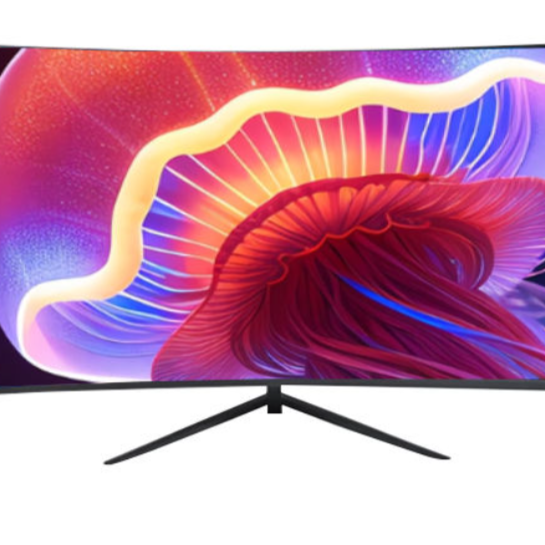
20 Inch 1600*900 Full HD 60Hz TFT LED Monitor with VGA and DP Interfaces for Desktop Computers-Business Use
Guangzhou Zanying Optoelectronics Technology Co., Ltd.
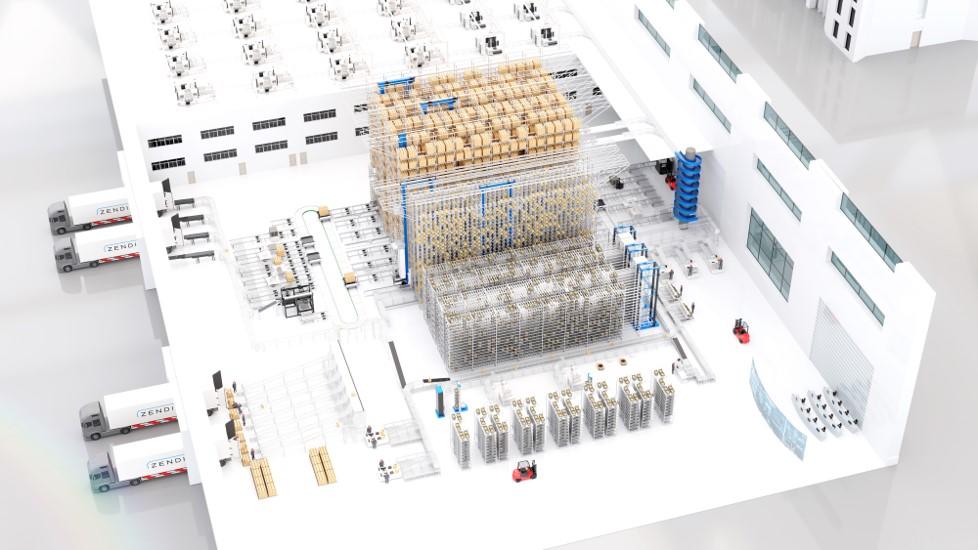
One-Stop Steward Service for the Entire Logistics System Integration Chain
Zhongding Intelligent (Wuxi) Technology Co., Ltd.