en.Wedoany.com Reported - On June 12, 2026, NASA's X-59 experimental aircraft achieved a speed of Mach 1.4 (approximately 924 miles per hour) and an altitude of 55,030 feet during a test flight, setting a new performance milestone. This progress lays the foundation for the X-59 to conduct quiet supersonic flight missions over U.S. communities.
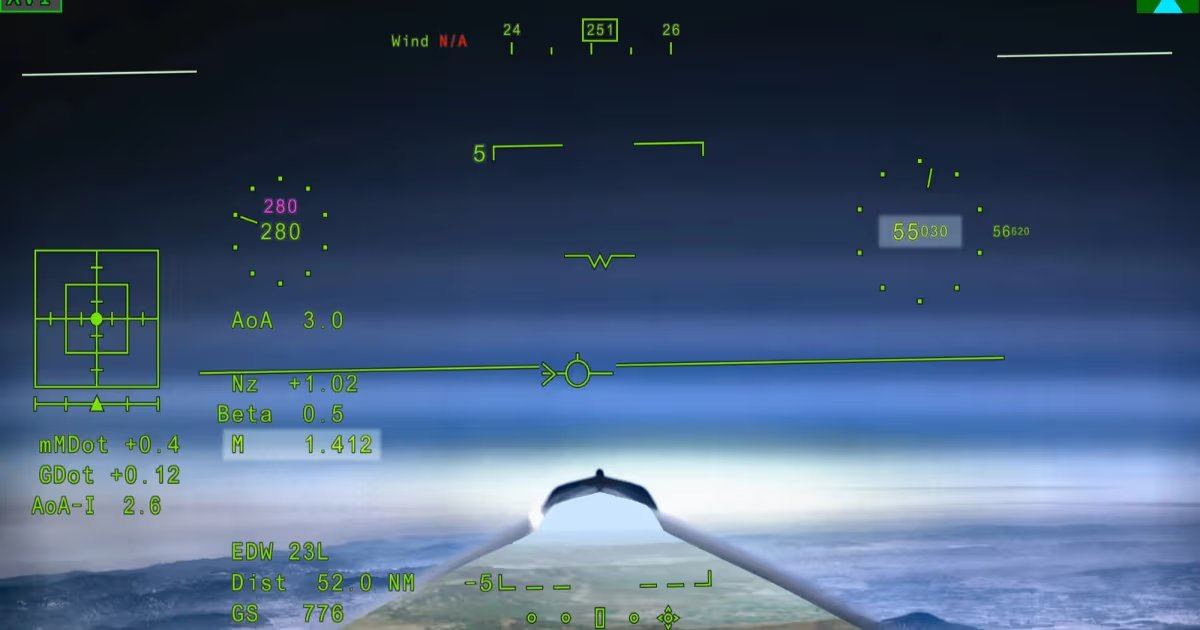
This test flight is a critical step for the X-59 following its first supersonic flight on June 5. During the June 5 flight, the X-59 only reached Mach 1.1, while the speed and altitude targets achieved in the latest test align with the requirements of the upcoming Quesst mission. The Quesst mission is planned to launch in the coming months, during which the X-59 will fly over densely populated areas to collect feedback from residents on the sonic boom sounds heard on the ground. These data will inform aviation regulators in the future regarding the potential allowance of commercial supersonic flight.
The X-59 is designed to avoid producing traditional sonic booms during supersonic flight, emitting only what NASA describes as a "quiet sonic thump." Before entering the Quesst phase, the X-59 must undergo an acoustic validation phase, during which the NASA team will measure its supersonic acoustic signature to verify that the aircraft breaks the sound barrier without generating traditional sonic booms. During testing, the X-59 flies in formation with another research aircraft that produces sonic booms to mask any potential background noise.
Achieving Mach 1.4 and an altitude of 55,000 feet demonstrates that the X-59 can operate within the parameters required for actual missions and confirms that the project is progressing as planned. From an industry perspective, this achievement is a significant step in NASA's efforts to revive commercial supersonic flight. If the Quesst mission succeeds, its data could provide regulators with scientific evidence to modify noise regulations. Currently, supersonic flight over U.S. territory remains prohibited due to noise concerns.
The X-59 project is part of NASA's efforts to develop more efficient and environmentally friendly aviation technologies, with the long-term goal of paving the way for a new generation of commercial supersonic aircraft that can fly faster without causing noise disturbances to residents on the ground. NASA supports this mission in collaboration with multiple partners, including a partnership with Prada to develop space mission equipment.
This article is compiled by Wedoany. All AI citations must indicate the source as "Wedoany". If there is any infringement or other issues, please notify us promptly, and we will modify or delete it accordingly. Email: news@wedoany.com