en.Wedoany.com Reported - China has issued the "Implementation Plan for the Intercity Commuting Efficiency Improvement Project in Metropolitan Areas (2026–2030)", targeting a 75% coverage rate of the population with access to a 1-hour commute within major metropolitan areas by 2030. The plan focuses on four major metropolitan areas: Beijing-Tianjin-Hebei, the Yangtze River Delta, the Guangdong-Hong Kong-Macao Greater Bay Area, and the Chengdu-Chongqing Economic Circle. It outlines construction tasks in six key areas: rail transit, municipal (suburban) railways, intercity railways, expressways, hub connections, and smart mobility.
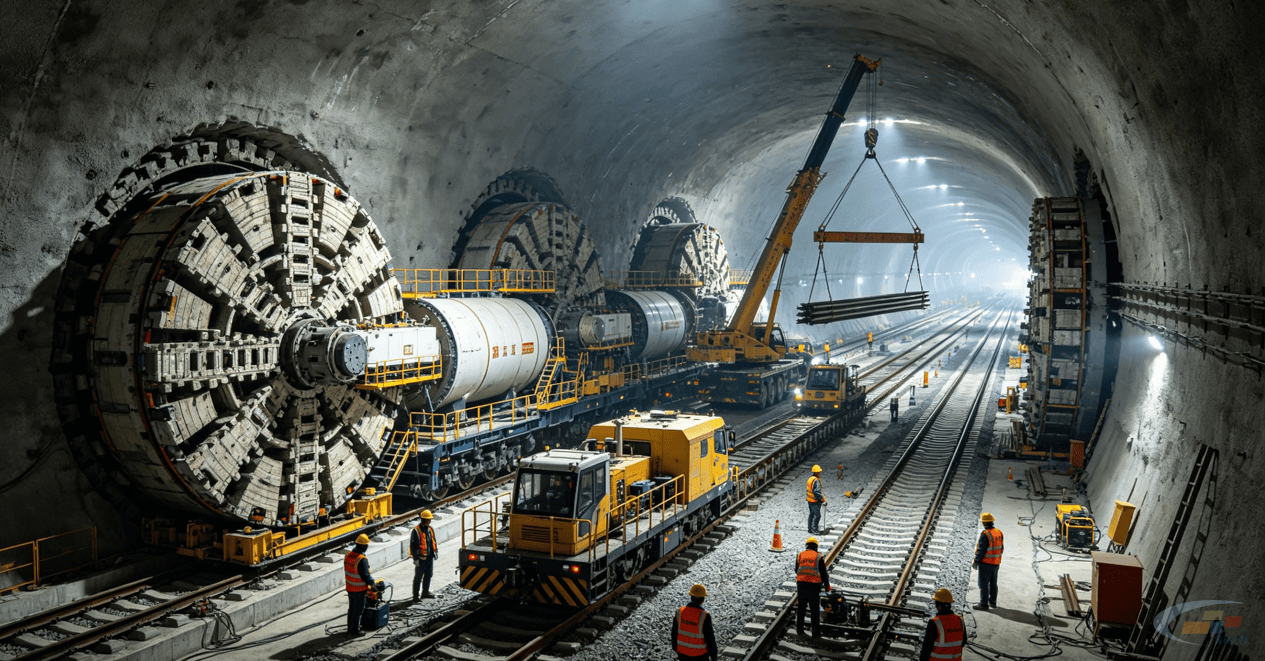
The plan sets the direction of "building a commuting model with rail transit as the mainstay and expressways as the foundation." Key projects include the Northeast Ring Line of the Capital Metropolitan Area's suburban railway, the Nanjing-Yizheng Line (including the Yangzhou extension) of the Nanjing Metropolitan Area, the Chengdu-Deyang Line of the Chengdu Metropolitan Area's municipal (suburban) railway, the Guangzhou East-Huadu-Tiangui intercity railway, the Shenzhen-Daya Bay intercity railway, and the Xiamen-Zhangzhou-Quanzhou intercity R1 Line. Based on an estimated cement consumption of 12,000 to 15,000 tons per kilometer for intercity railways, this round of intercity and municipal railway construction is expected to generate an additional demand for cement in the tens of millions of tons.
The plan also proposes advancing projects such as the second phase of the bus-style operation transformation of the Chengdu Metropolitan Area's municipal railway, the renovation of the Chongqing-Jiangjin section of the Chengdu-Chongqing Railway in the Chongqing Metropolitan Area, and the bus-style operation transformation of the Zhengzhou-Kaifeng intercity railway in the Zhengzhou Metropolitan Area. These existing stock renovation projects will spur incremental cement demand centered on rail transit stations, underground passages, and supporting ancillary facilities.
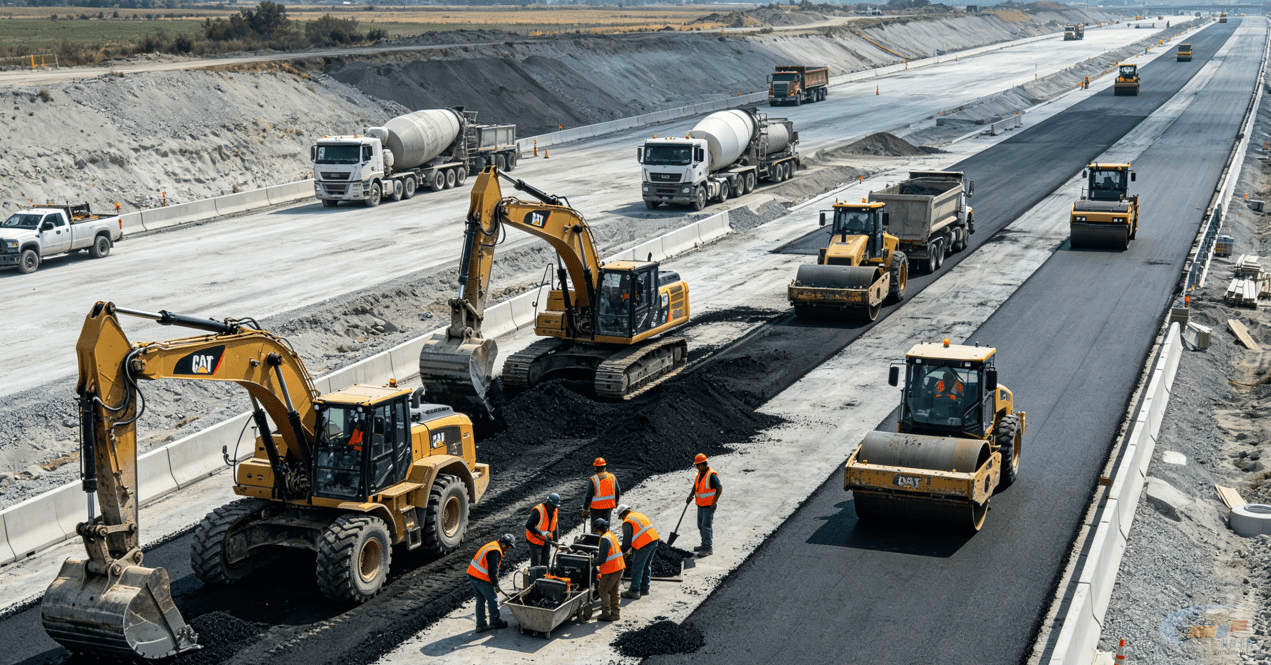
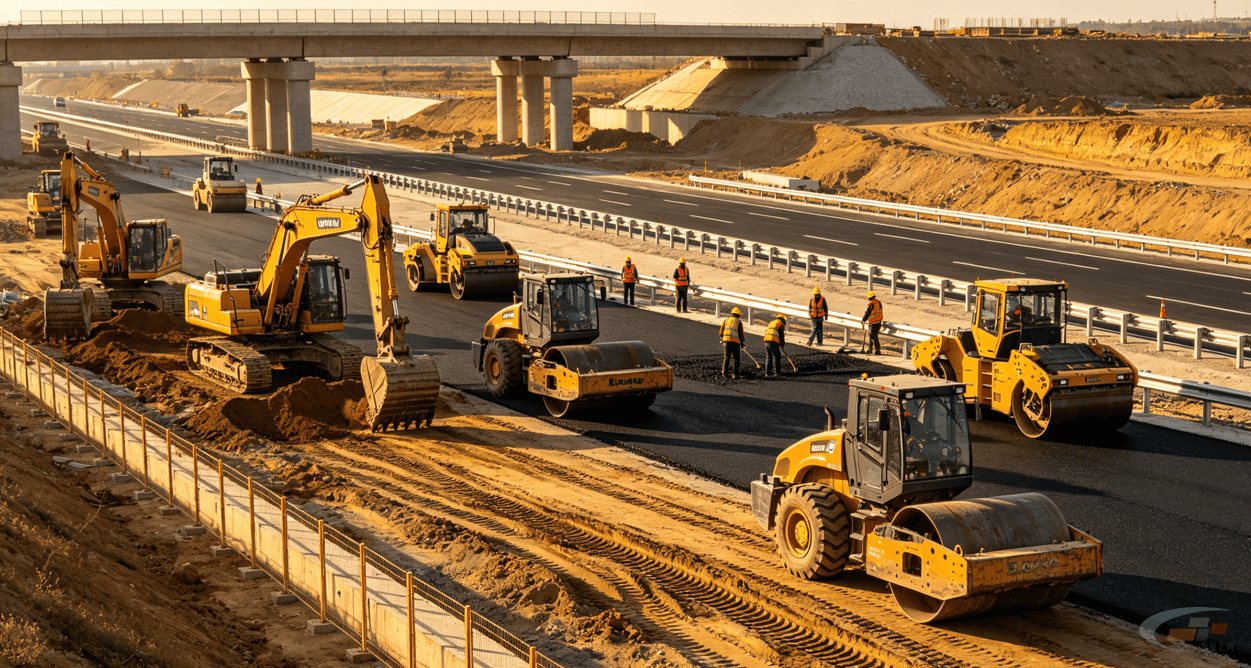
In the highway sector, the plan proposes using digital and intelligent upgrades, node renovations, and road section capacity expansion. It centrally deploys projects such as the capacity expansion and intelligent upgrade of the Beijing section of the Beijing-Hong Kong-Macao Expressway, the reconstruction and expansion of the Jinan G2001 Ring Expressway, the reconstruction and expansion of the Wuhan G4201 Ring Expressway, and the reconstruction and expansion of the Xi'an G70 Fuzhou-Yinchuan Expressway. Together with approximately 50 expressway interchange and service area entrance/exit projects, this will drive considerable demand for highway cement. The main battlefield for expressway reconstruction and expansion is in the four major metropolitan areas, meaning leading cement companies in North China, East China, South China, and Southwest China—such as Tianshan Materials, Jidong Cement, Conch Cement, and Huaxin Cement—will benefit first. The differentiated demand for high-grade cement and special engineering cement from the construction of interchanges and connecting lines also offers value upgrade opportunities for companies with superior product structures and deep technical reserves.
The plan encourages the implementation of TOD (Transit-Oriented Development) comprehensive development at passenger transport hubs and rail stations. Projects such as the renovation of Beijing West Railway Station, Shenzhen Xili Hub, the renovation of Guangzhou East Railway Station, the comprehensive passenger transport hub of Nanjing North Railway Station, and the comprehensive transport hub of Chengdu Railway Station are included in the list. The high-density station-city integrated development under the TOD model has a higher consumption intensity of ready-mixed concrete compared to traditional infrastructure projects. The plan also specifies the operation of bus rapid transit, customized buses, and demand-responsive bus routes, with the construction of supporting bus depots and other infrastructure generating sustained cement demand. The renovation and upgrade of internal facilities at comprehensive passenger transport hubs correspond to multi-scenario cement consumption, including structural reinforcement, decorative works, and waterproofing works.
This article is compiled by Wedoany. All AI citations must indicate the source as "Wedoany". If there is any infringement or other issues, please notify us promptly, and we will modify or delete it accordingly. Email: news@wedoany.com