Argentina's NOA Lithium Advances Lithium Salar Projects with 4.7 Million Tonnes LCE Resources
en.Wedoany.com Reported - NOA Lithium's Exploration Director, Vanesa Fernández, presented the company's exploration strategy and latest progress across three salar projects in Salta Province, Argentina. The company has designated Río Grande as its flagship project while advancing work at Arizaro and Salinas Grandes, with the goal of transitioning from an exploration-focused company to a project development company.
Each salar represents a unique hydrogeological system requiring its own conceptual model. Vanesa Fernández stated that the experience gained at Río Grande has formed a complete working methodology that can be applied to other salars with necessary adjustments. At Río Grande, the company has completed geophysical interpretation, target selection and prioritization, deep drilling, aquifer characterization, brine sampling, hydraulic testing, and the progressive development of hydrogeological and resource models. This experience has helped improve exploration program design and identify information that must be collected from the earliest stages to reduce uncertainties later in the project lifecycle.
One of the most important lessons is that confirming lithium grades alone is far from sufficient. From the outset, it is essential to understand aquifer geometry, hydraulic characteristics, continuity between hydrogeological units, brine quality, and industrial water availability. Representative brine samples must also be obtained early to evaluate different processing options. This approach does not involve applying one salar's geological model to another, but rather adopting a more structured and efficient exploration process aligned with future project development.
The proximity of the projects has generated tangible synergies—all projects are located in Salta Province, encompassing regional knowledge, supplier networks, technical teams, logistics, infrastructure, and institutional relationships. This enables the company to manage the project portfolio as a unified business while advancing each project separately according to its maturity and technical characteristics.
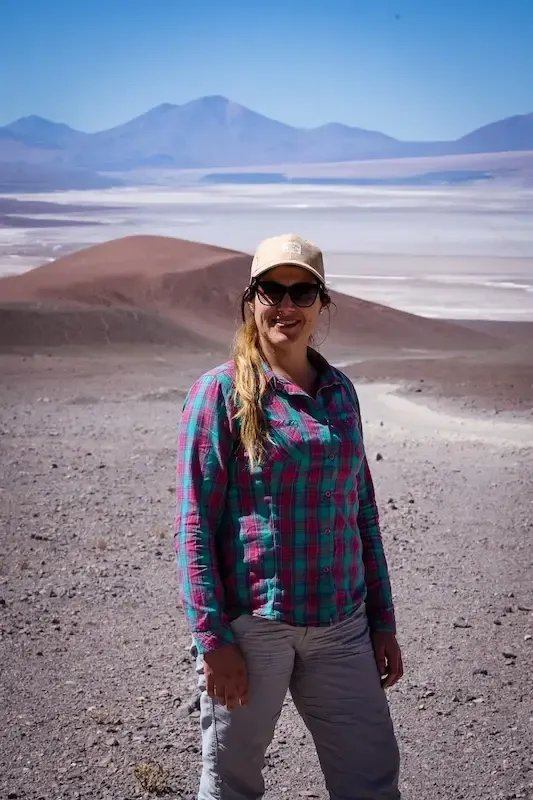
Río Grande currently hosts approximately 4.7 million tonnes of lithium carbonate equivalent (LCE) resources with an average lithium concentration of 525 mg/L, and a positive Preliminary Economic Assessment (PEA) has been completed. The current focus is on progressively reducing technical, environmental, and economic uncertainties. Hatch has completed the PEA for the project and is now leading process development studies in preparation for a Pre-Feasibility Study (PFS), aiming to compare conventional evaporation processes with alternative process configurations incorporating Direct Lithium Extraction (DLE) test work and conceptual process design. Hatch's decision to accept NOA Lithium shares as partial compensation for its work demonstrates confidence in the project's potential.
The non-binding agreement with Summit Explore serves complementary strategic purposes, enabling accelerated advancement of Arizaro without diverting the technical attention and financial resources required for Río Grande. If a definitive agreement is executed, Summit will earn a 60% interest by funding and executing the exploration program, completing the PEA and subsequent PFS, and investing up to approximately US$3.5 million in staged contributions, with NOA Lithium retaining 40%. Representative Arizaro brine samples will be evaluated at Summit's facility in Santiago, Chile, to determine compatibility with the company's denaLi™ Direct Lithium Extraction technology, opening the possibility of integrating Arizaro into a shared processing infrastructure model.
At Río Grande, the immediate priority for the coming months is completing the 2026 drilling campaign. As of July 16, both drill rigs were operating as planned. Drill hole RT-RG26-PW001 has reached a depth of 254 meters, RT-RG26-PW002 has completed exploration drilling with a final depth of 504 meters, and Borehole Nuclear Magnetic Resonance (BMR) logging and other downhole measurements have been completed in the latter hole, providing data for determining future production well designs. Upcoming milestones include completing both wells, hydraulic and pumping tests, deep aquifer characterization, and integrating these results into hydrogeological and mineral resource models. These data are critical for evaluating sustainable pumping rates, reservoir behavior, and future wellfield design parameters.
Results from the process development study led by Hatch are expected in the third quarter of 2026, comparing conventional evaporation with DLE alternatives and establishing the technical foundation for the upcoming PFS. The company's publicly stated objective remains completing the Río Grande PFS by the end of 2026. At Arizaro, the first major corporate milestone is converting the existing term sheet with Summit Explore into a definitive agreement. Subsequent key indicators include technical program initiation, selection of representative brine samples, DLE technology compatibility testing, and progress toward completing a PEA in accordance with NI 43-101 standards.
Vanesa Fernández believes investors should focus not merely on meters drilled, but on indicators demonstrating significant risk reduction: quality and representativeness of drilling results, hydraulic parameters, resource updates and conversions, process definition, industrial water availability, permitting progress, adherence to project schedules, and the company's disciplined ability to finance each stage.
In her view, the greatest challenge for conducting high-quality exploration in Salta over the coming years is treating salars as complex hydrogeological systems rather than simple deposits. High-quality exploration and robust pre-feasibility studies require integrating geology, geophysics, hydrogeology, geochemistry, process engineering, and environmental studies from the earliest stages, relying on high-quality data, full traceability, rigorous QA/QC protocols, and technical models updated with new information. Another critical challenge is responsible water resource management, requiring an understanding of each basin's water balance, differentiation between aquifer systems, and the design of production and monitoring programs that support technical decision-making.
Operating conditions in the Puna region compound these challenges, including high altitude, long transport distances, logistics, energy availability, infrastructure limitations, and the availability of specialized suppliers and skilled personnel. Permitting predictability, sustained access to financing in cyclically volatile markets, and developing trusted relationships with local communities and government authorities are equally important. Exploration excellence today is no longer measured solely by resource discovery, but also by whether a company can demonstrate that projects are developed in a technically sound, environmentally responsible, and socially sustainable manner.
NOA Lithium's competitive advantages include: a portfolio exceeding 140,000 hectares across three salars in Salta; Río Grande's combination of a large mineral resource, high average lithium grade, consolidated land tenure, a positive PEA, and a phased development strategy offering flexibility to evaluate multiple processing technologies; and a team with direct experience in lithium brine exploration and project development with local knowledge. Collaboration with international firms such as Hatch and Montgomery & Associates enhances technical capabilities, while technical and financial partners such as Summit Explore provide independent technical validation and complementary expertise. The company's greatest competitive advantage lies in the combination of high-quality assets, deep local knowledge, technical discipline, and the flexibility to adapt development strategies to different salar conditions.
Related Products


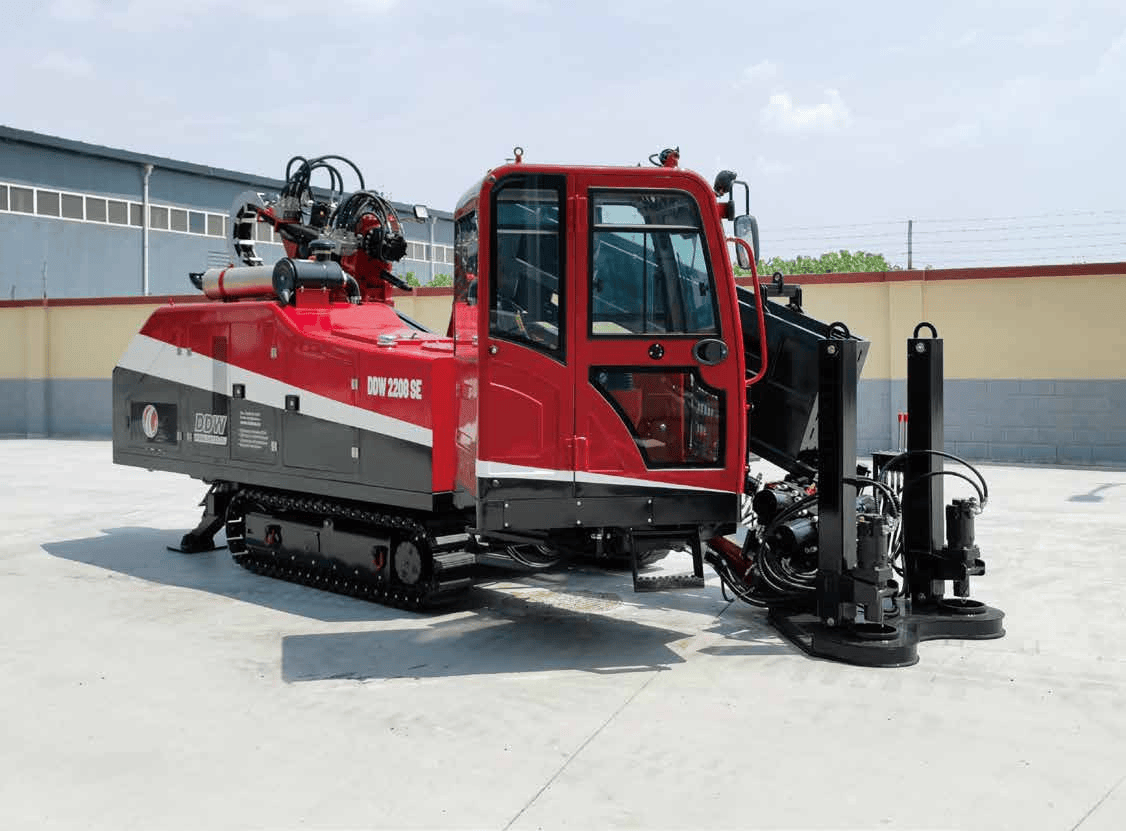
DDW22/08SE-HORIZONTAL DIRECTIONAL DRILL
DW/TXS Construction Equipment (Beijing) Co., Ltd.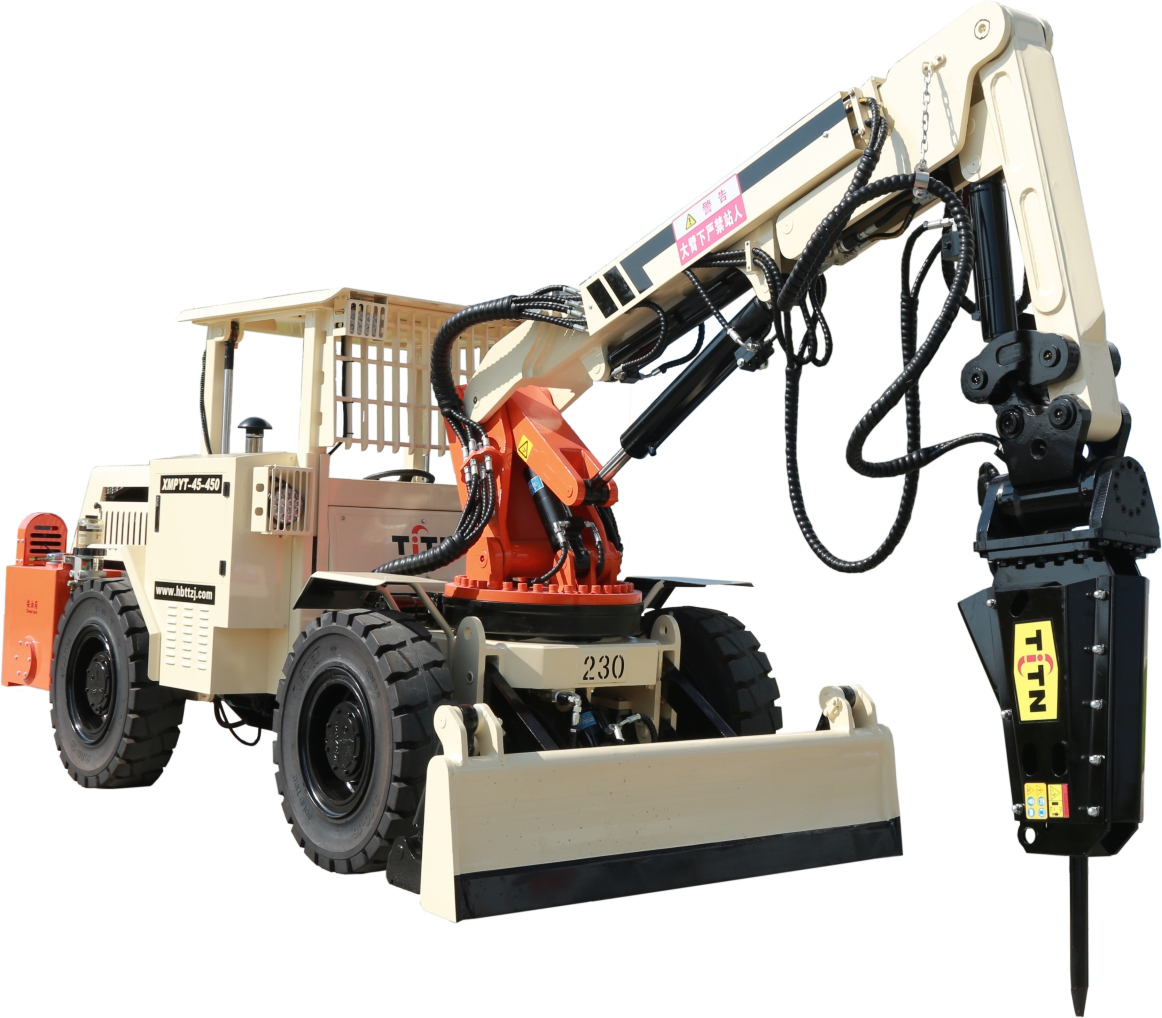
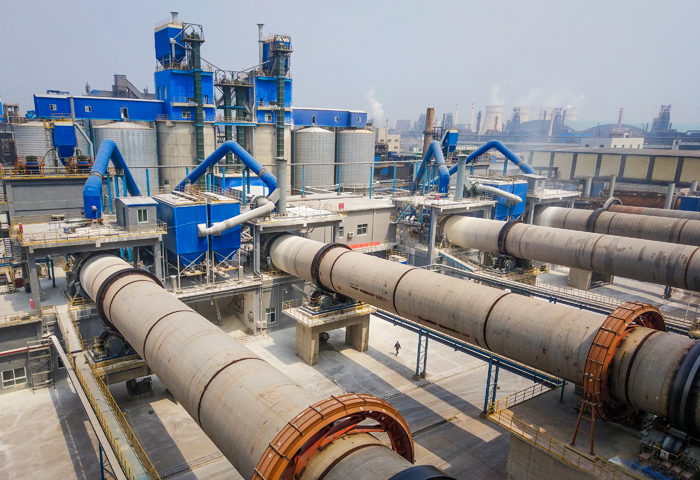
CITIC Heavy Industries Metallurgical Equipment Steel Smelting Engineering Equipment
CITIC Heavy Industries Co., Ltd.
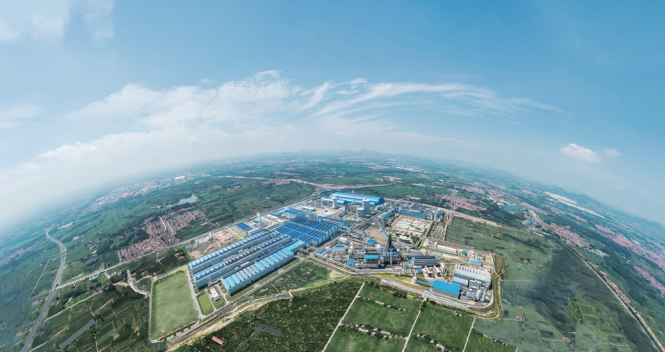
Linyi Steel Investment Special Steel 2.7 Million Tons per Year High-quality Special Steel Project
Capital Engineering & Research Incorporation Limited
Core Technologies of the Mining Technology and Equipment Business Unit: Efficient Mining Methods and Processes
CHANGSHA INSTITUTE OF MINING RESEARCH CO., LTD.