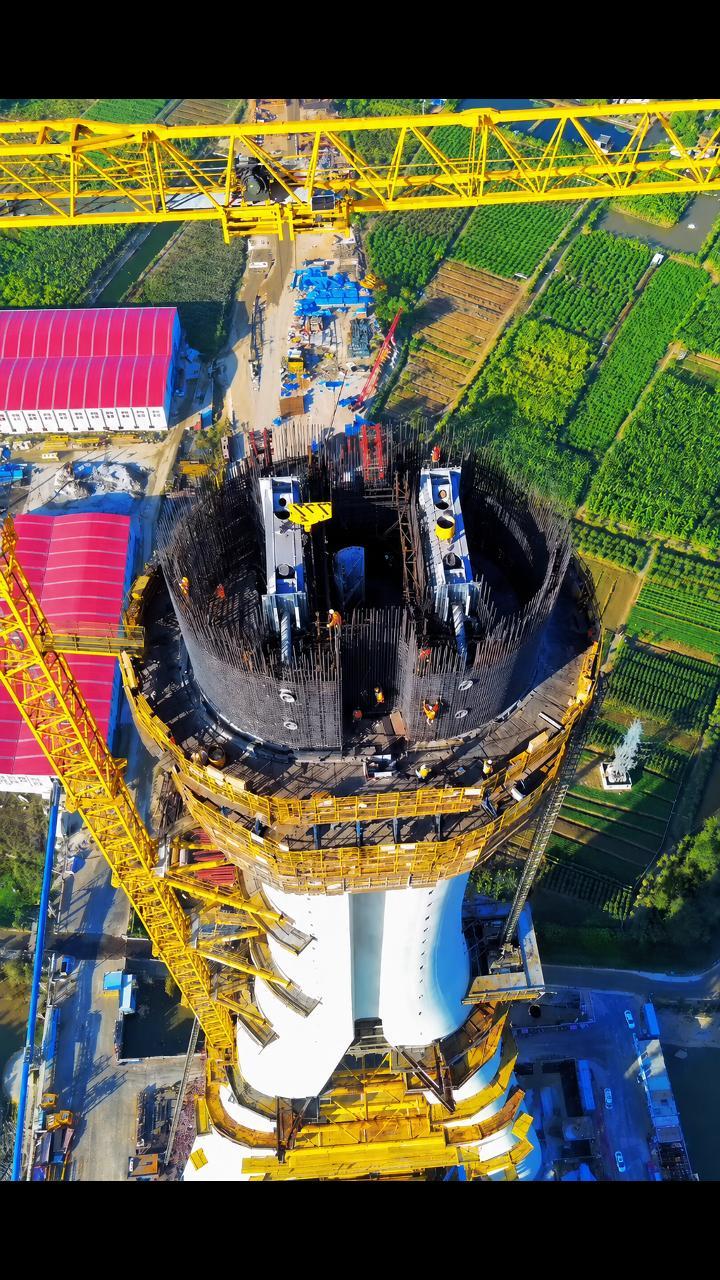
en.Wedoany.com Reported - Norway plans to build the Stad Ship Tunnel, which will be the world's first full-scale sea tunnel. The project requires excavating over 3 million cubic meters of rock to allow ships to bypass the country's most dangerous waters off the Stadhavet Sea. The project was suspended by the government in May 2026 after costs surged from approximately 5 billion NOK in 2024 to 8.6 billion NOK. Whether it can proceed ultimately depends on a vote in the Norwegian Parliament on June 19.
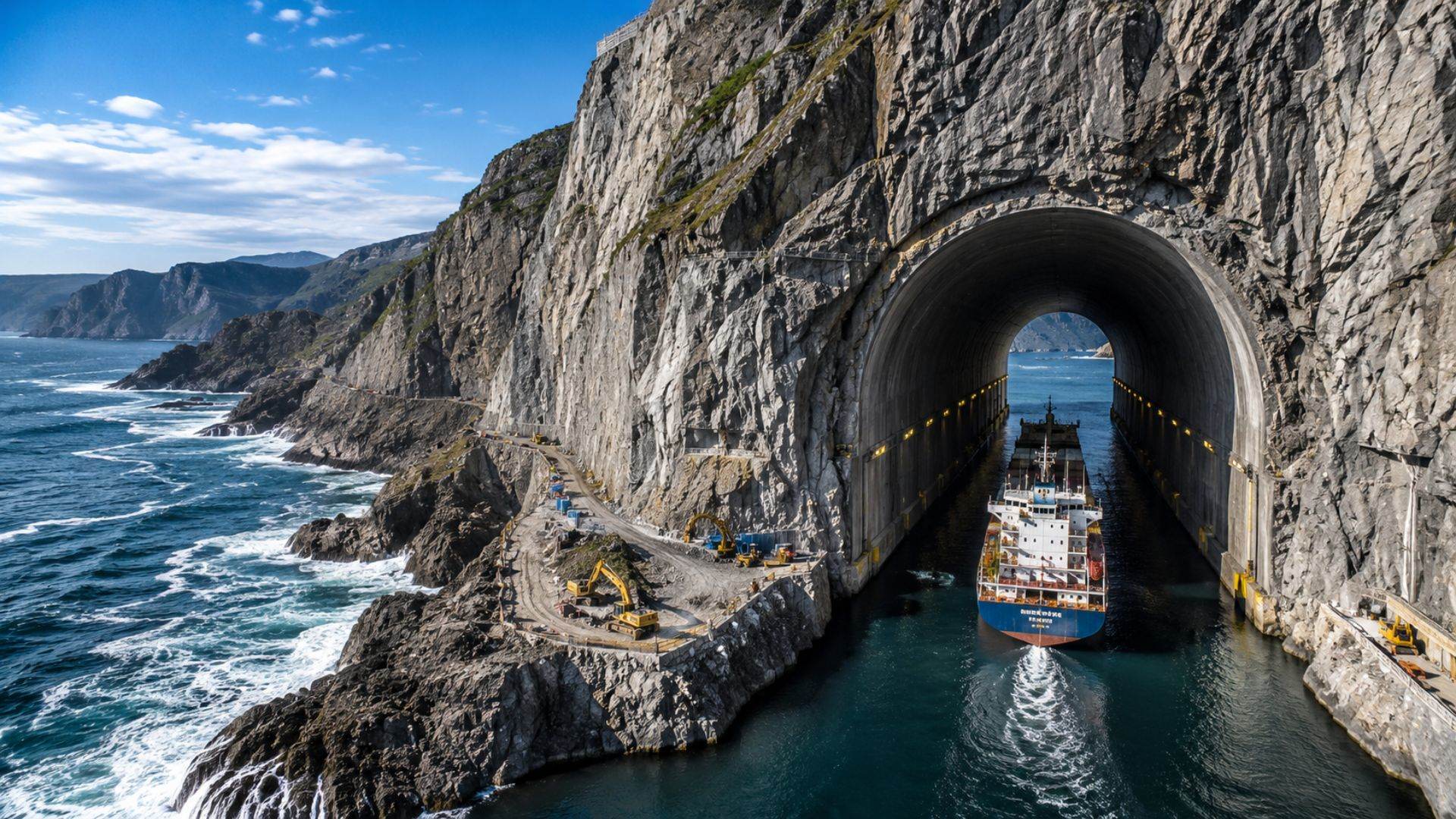
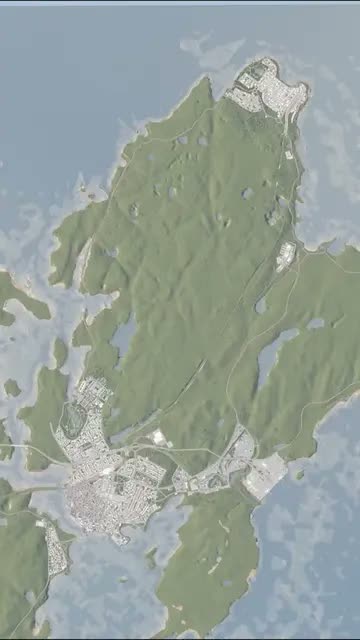
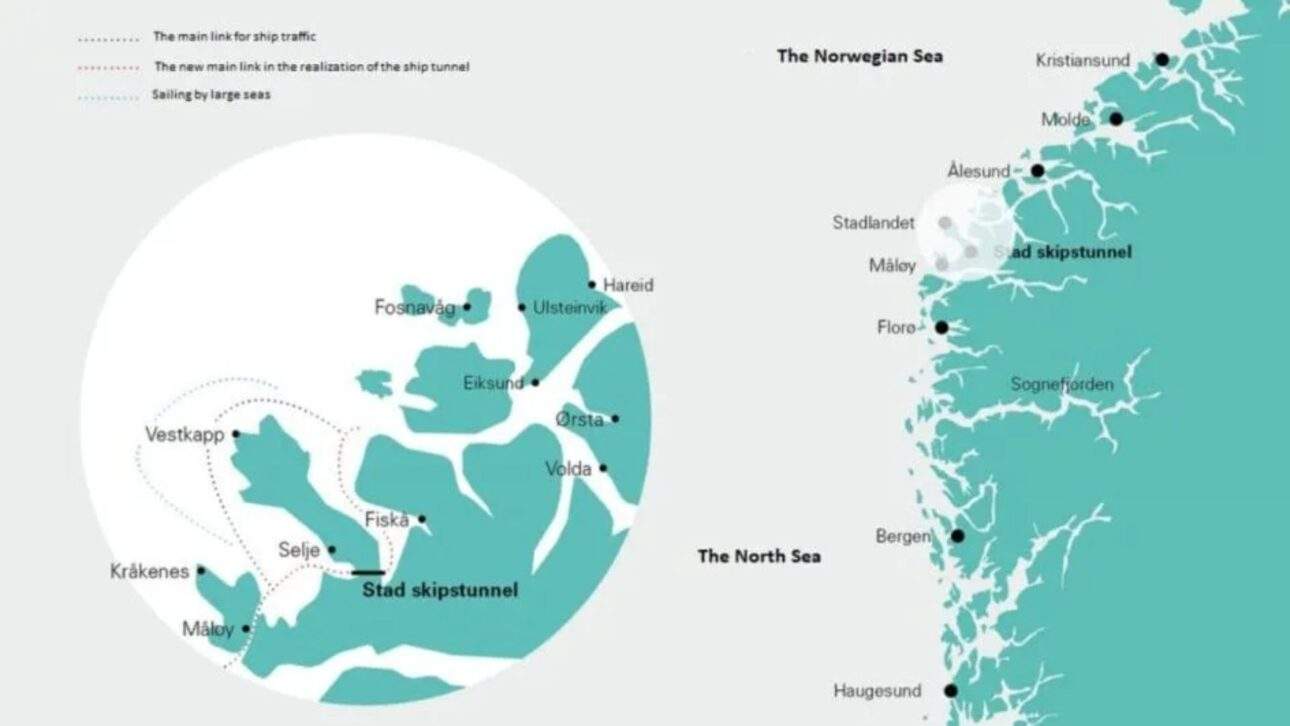
The waters off the Stad Peninsula are considered the most hazardous section along the Norwegian coastal route. With no nearby islands as a natural barrier, the Stadhavet Sea off western Norway is fully exposed to storms, strong winds, and massive waves arriving simultaneously from multiple directions. The Kråkenes Lighthouse near Stad records over 100 storm days per year. Ocean currents combined with the seabed topography create "cross seas," where waves from different directions pose a particular danger to ships. Official records show that since 1900, more than 30 people have lost their lives in accidents in the area, in addition to dozens of ships sunk during and after World War II. The tunnel aims to allow ships to completely bypass this dangerous sea area.
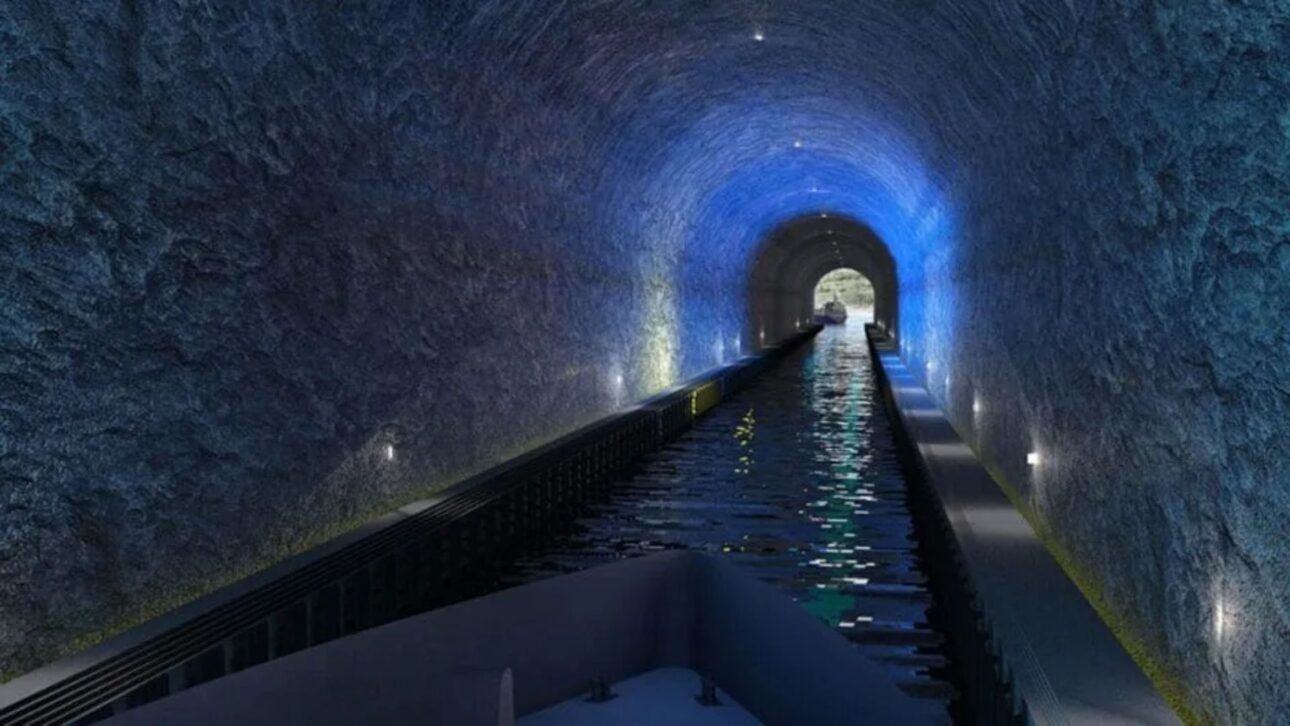
According to official data from the Norwegian Coastal Administration (Kystverket), the main tunnel section is 1,700 meters long, with a total length of 2,200 meters including all approach structures. The internal height is 49 to 50 meters, the width is 36 meters, and the water depth is sufficient to accommodate ships with a draft of up to 12 meters. The excavation volume is approximately 3 million cubic meters of rock, equivalent to 5.4 million cubic meters of loose material, requiring about 750,000 truckloads for transport. It is estimated that about 81% of current maritime traffic in the area could use the passage. The project is designed to accommodate vessels from major Norwegian coastal cruise companies such as Hurtigruten and Havila.
Tunnel operations will resemble an air traffic control system, with the control center located in the municipality of Fedje in western Norway. Traffic will be managed using a one-way alternating direction system. Larger vessels will be speed-limited to approximately 15 km/h (8 knots), with an average transit time of about 10 minutes. The sea tunnel will be free of charge, with no tolls, and priority will be given to commercial traffic.
The biggest obstacle for the project is funding. In May 2026, the government of Jonas Gahr Støre suspended the project after cost estimates surged to 8.6 billion NOK. In early June, the Centre Party and left-wing parties in parliament reached an agreement to include financing in the revised national budget, with the final vote scheduled for June 19. If approved, construction will begin in early 2027, with completion expected in 2031.
This article is compiled by Wedoany. All AI citations must indicate the source as "Wedoany". If there is any infringement or other issues, please notify us promptly, and we will modify or delete it accordingly. Email: news@wedoany.com