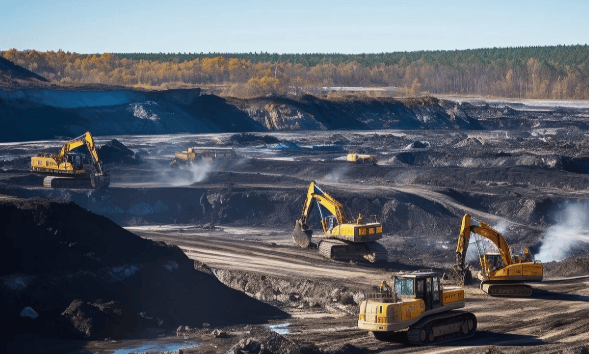
en.Wedoany.com Reported - President Shavkat Mirziyoyev of Uzbekistan listened to a special report on the development of the industrial mineral raw material base on June 15, 2026. According to the development plan for 2026-2030, Uzbekistan plans to implement 120 critical mineral projects with a total investment of $4.2 billion, aiming to increase the industry's output value to $1 billion by 2028 and $2 billion by 2030. The country has the capacity to organize industrial production of 28 types of critical minerals.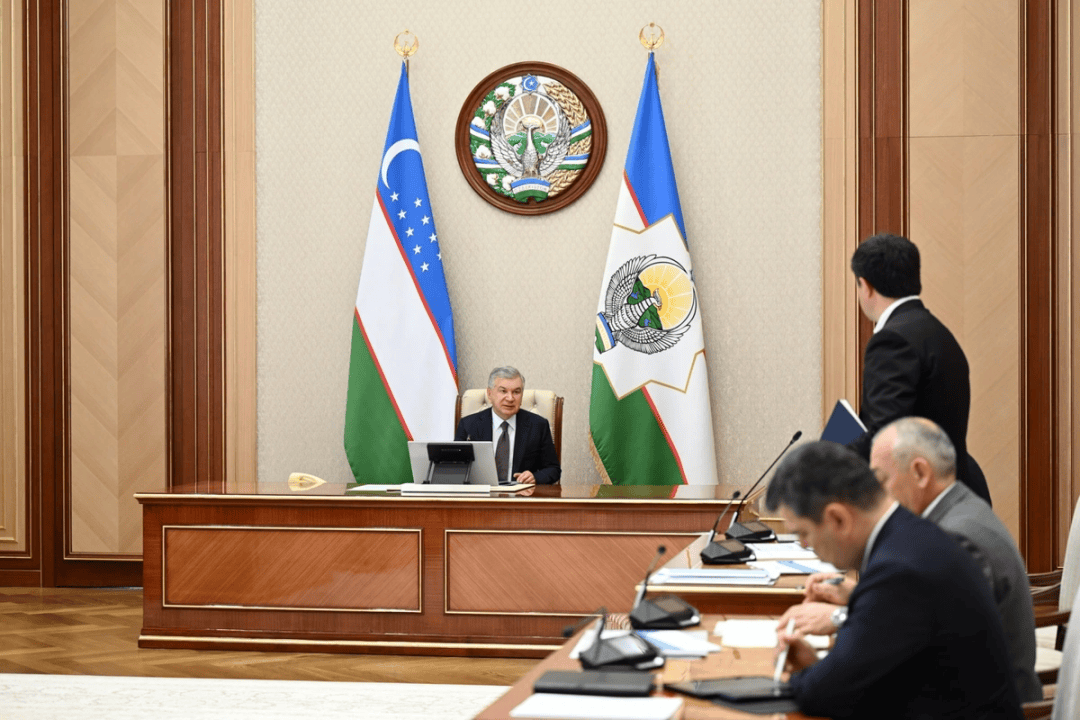
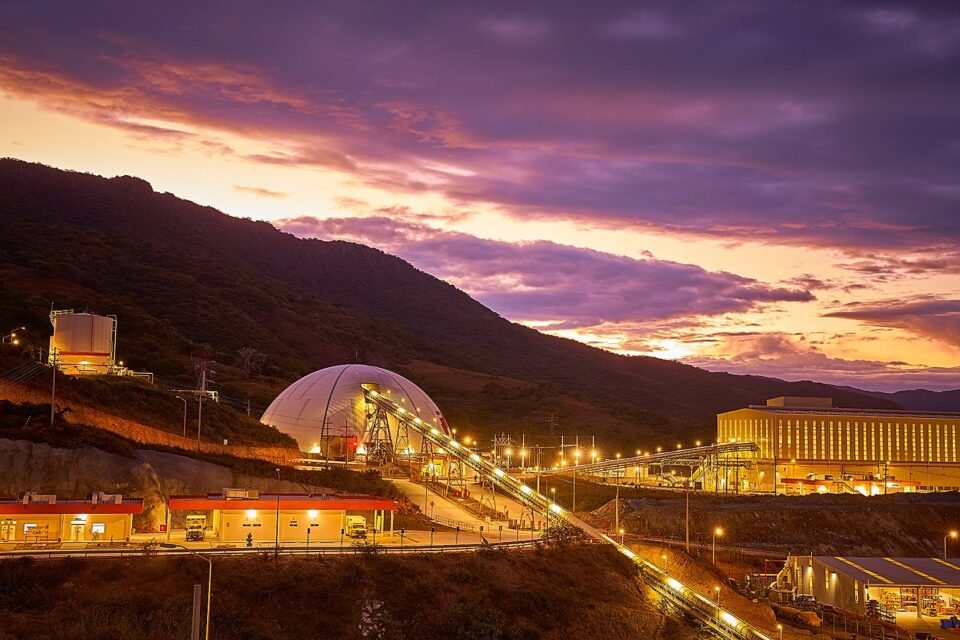
Uzbekistan's Technical Metals Enterprise currently focuses primarily on the production of tungsten and molybdenum. To unlock resource potential, the government has formulated a strategic roadmap for 2026-2030. In 2026, 12 projects are planned to be launched with a total investment of $166 million. These projects will achieve the production of three new metals—high-purity selenium, tellurium, and rhenium—as well as 21 import-substitution products, including powder metallurgy automotive parts and sulfuric acid. The new capacity is expected to create hundreds of high-skilled jobs, increase budget revenues, and expand exports.
In the tungsten and molybdenum sectors, Uzbekistan plans to establish a complete "raw material—processing—finished product" industrial chain, shifting from exporting concentrates and semi-finished products to high-value-added products, including metal powders, alloys, rods, wires, and industrial finished goods. To this end, the "Future Metals" technology park and R&D center in Chirchik city will be expanded, and similar technology parks will be established in the Nurabad district of Samarkand region and the Akhangaran district of Tashkent region. The technology parks will create conditions for the commercialization of scientific research results, support for startups, and the production of high-purity metals. The president instructed the provision of additional incentives for land use and infrastructure for the technology parks and resident enterprises.
Furthermore, Uzbekistan plans to establish the only "Critical Minerals Research and Technology Center" in Central Asia. The newly built nano-analysis laboratory in Chirchik city, once fully operational, can process up to 1,000 samples per day, replacing $6.5 million worth of service imports and achieving an additional $4 million in service exports. The president also emphasized the importance of digitalization and artificial intelligence technologies, including the establishment of a unified digital platform for geological data, 3D modeling of mineral deposits, and real-time monitoring of production processes.
This article is compiled by Wedoany. All AI citations must indicate the source as "Wedoany". If there is any infringement or other issues, please notify us promptly, and we will modify or delete it accordingly. Email: news@wedoany.com