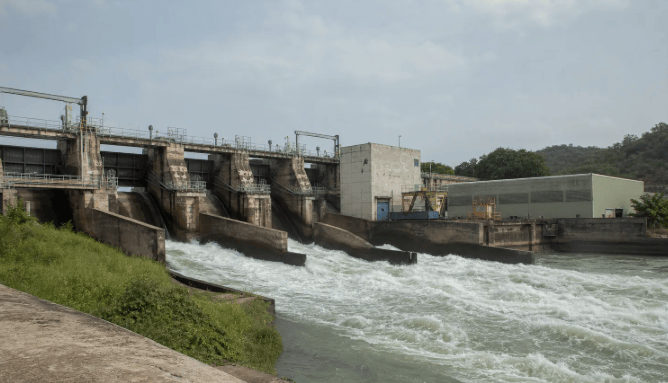
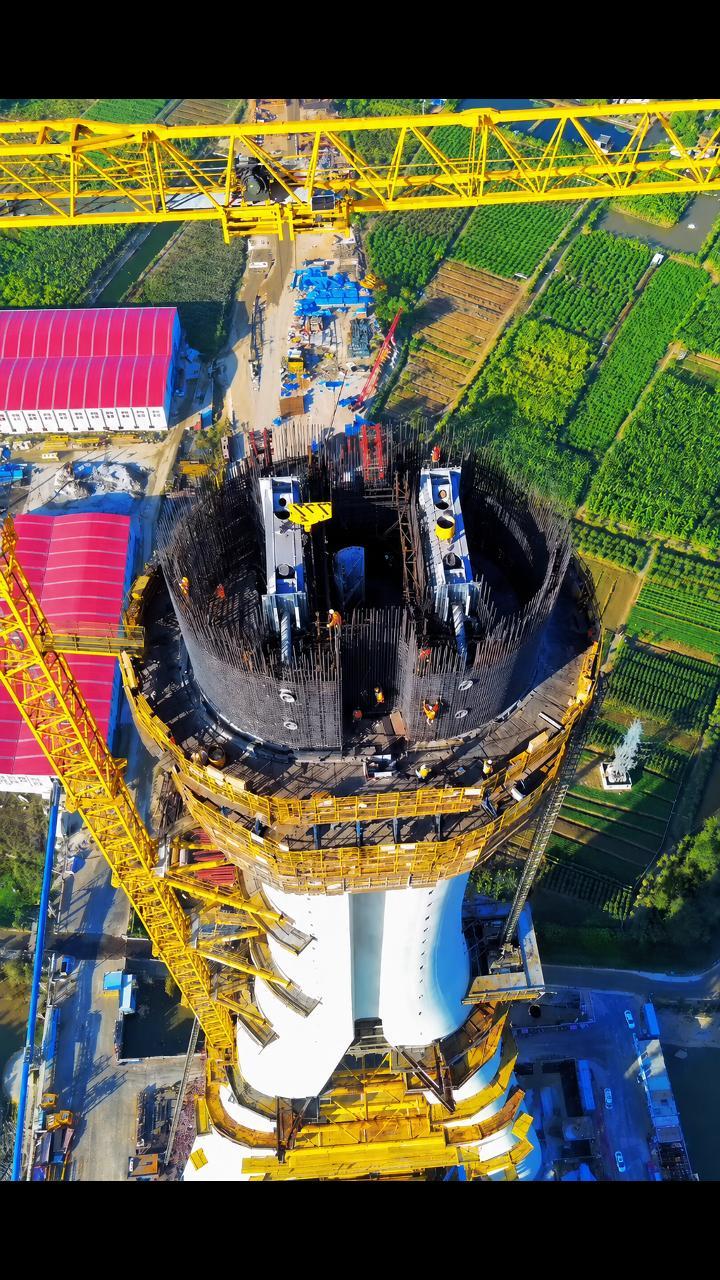
Bangladesh's Padma Barrage Project: Investment of 344.97 Billion Taka, Completion in 2033
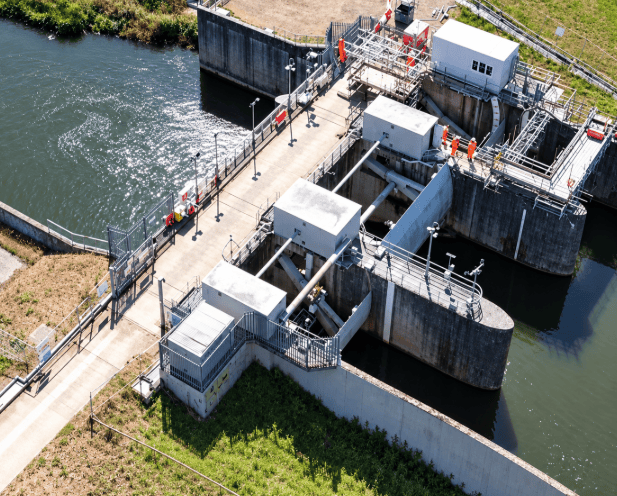
en.Wedoany.com Reported - The Padma Barrage Project has become a major development initiative in southwestern Bangladesh, expected to boost agricultural production, create employment opportunities, and significantly transform the economic landscape of 24 districts in the region.
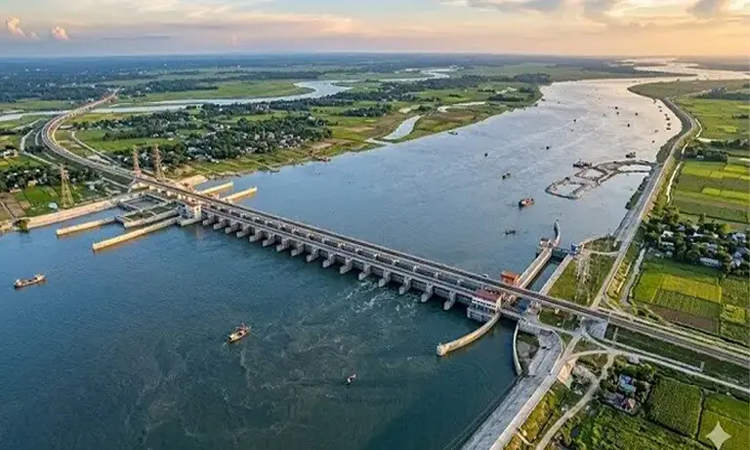
Officials and experts believe the project will bring profound changes to river management, environmental sustainability, and the livelihoods of millions in the area. State Minister for Water Resources Farhad Hossain Azad stated that the Padma Barrage Project is not just a river-centric initiative but one closely tied to the lives and livelihoods of millions in the country's southwest. He noted that the full potential of the river system has remained untapped for years, and this project will significantly improve river management, water conservation, irrigation facilities, riverbank protection, and flood control. Once implemented, it will boost agricultural production, create jobs, and positively impact the economy of 161 upazilas across 24 districts, benefiting nearly 50 million people.
The Padma Barrage Project is seen as a solution to challenges such as river erosion, irrigation shortages during the dry season, and regional economic disparities. Experts say full implementation and expansion of the project could have significant direct and indirect impacts on the economy, agriculture, employment, environment, and overall quality of life. According to agricultural experts, the project could convert over 200,000 hectares of single-crop land into double-crop land and more than 100,000 hectares into triple-crop land. Replacing saline water with freshwater in coastal and southwestern regions is expected to improve soil fertility and increase food production, potentially creating opportunities for additional annual output of millions of tons of grain.
Currently, the average yield of Boro rice in the southwestern region is 4.5 to 5 tons per hectare. Researchers believe that with reliable irrigation and modern agricultural techniques, yields could increase to 6 to 7 tons per hectare. Similarly, wheat yields could rise from 3.5 tons to 4.5 tons per hectare, corn from 8 tons to 10-12 tons per hectare, and potatoes from 25 tons to 30-35 tons per hectare.
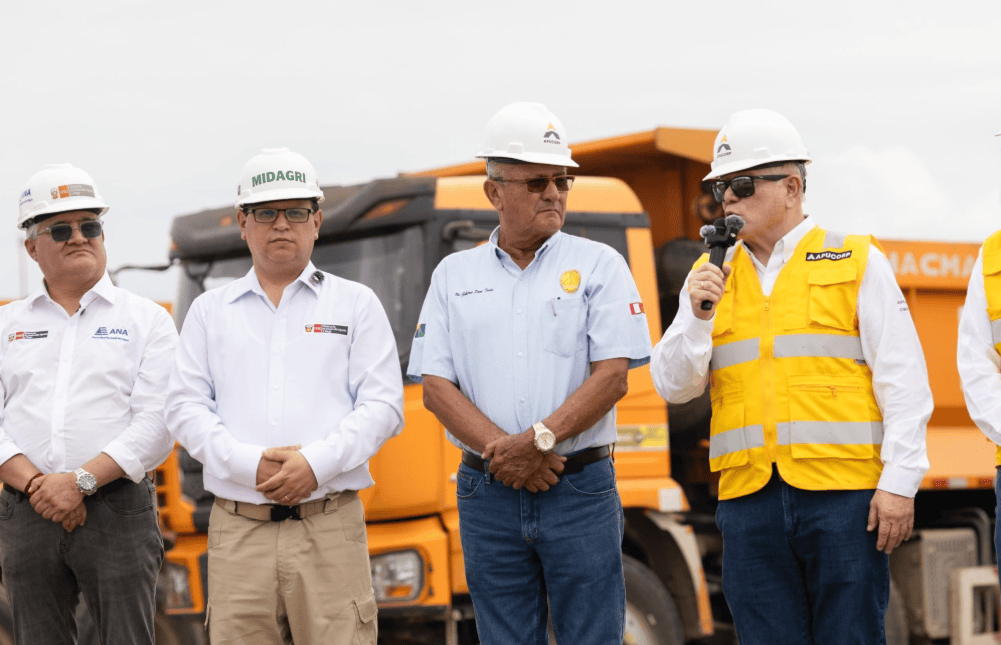
Ali Newaz Mahmud Khaiyam, a member of parliament from Goalanda, Rajbari District, and State Minister for Cultural Affairs, said that people living along the Padma River are eagerly awaiting the project's swift implementation. The state minister added that the project has already received approval from the Executive Committee of the National Economic Council (ECNEC).
Water resources experts believe the project could open new possibilities for controlling river erosion and flood risks in the southwestern region. The government has approved the Padma Barrage Project, estimated to cost 344.97 billion taka, to address water shortages in the southwest and revive dying rivers. This large-scale project is entirely funded by domestic resources and is scheduled for completion by June 2033. Experts estimate that the increased agricultural production from the project could directly benefit 3 to 4 million people, with farmers' incomes potentially rising by 25% to 40%.
According to the Bangladesh Water Development Board (BWDB), the Padma River stretches approximately 341 kilometers within Bangladesh, and hundreds of hectares of agricultural land are lost annually due to river erosion. Over the past 20 years, an estimated 8,000 to 10,000 hectares of farmland in the Padma basin have been affected, with an average of 10,000 to 15,000 riverside households facing direct threats from erosion each year. Experts suggest that regular dredging, riverbank protection structures, and improved water flow management could reduce erosion rates by 30% to 50%.
Water resources experts further noted that improved water storage, regulated water flow, and enhanced drainage systems could significantly reduce flood intensity, and increasing the river's conveyance capacity could lower the risk of flash floods by 20% to 30%. The Padma Barrage Project will provide flood and river erosion protection for 2 to 2.5 million people, while safeguarding agricultural production, roads, bridges, educational institutions, and homes. The project also holds the potential to establish over 1,000 small and medium-sized agricultural enterprises in the southwestern region. According to data from the Bangladesh Bureau of Statistics (BBS) and economic analysts, with an average investment of 10 million taka per agricultural enterprise creating jobs for 20 to 30 people, project-related investments could generate an additional 100,000 to 200,000 jobs in the long term. Experts further noted that increased agricultural production will inject more capital into local markets, with an estimated 3 to 4 million people directly or indirectly benefiting from economic activities.
This article is compiled by Wedoany. All AI citations must indicate the source as "Wedoany". If there is any infringement or other issues, please notify us promptly, and we will modify or delete it accordingly. Email: news@wedoany.com
Related Products


Acoustic Mineral Fiber Ceiling Tile 595x595x12mm
Shanxi Pano Trading Co., Ltd
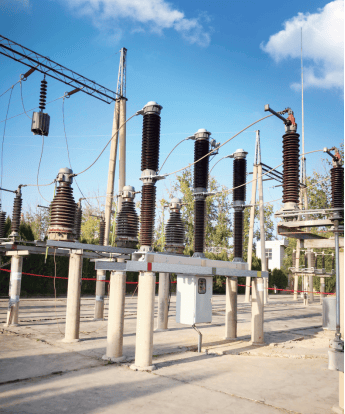
145kV Porcelain Column Type Sulfur Hexafluoride Circuit Breaker
TBEA ZONFA Shanghai High Voltage Switchgear Co., Ltd.
ERW Welded Pipe (Black Pipe and Hot-dip Galvanized Steel Pipe)
Handan Zhengda Steel Pipe Co., Ltd.
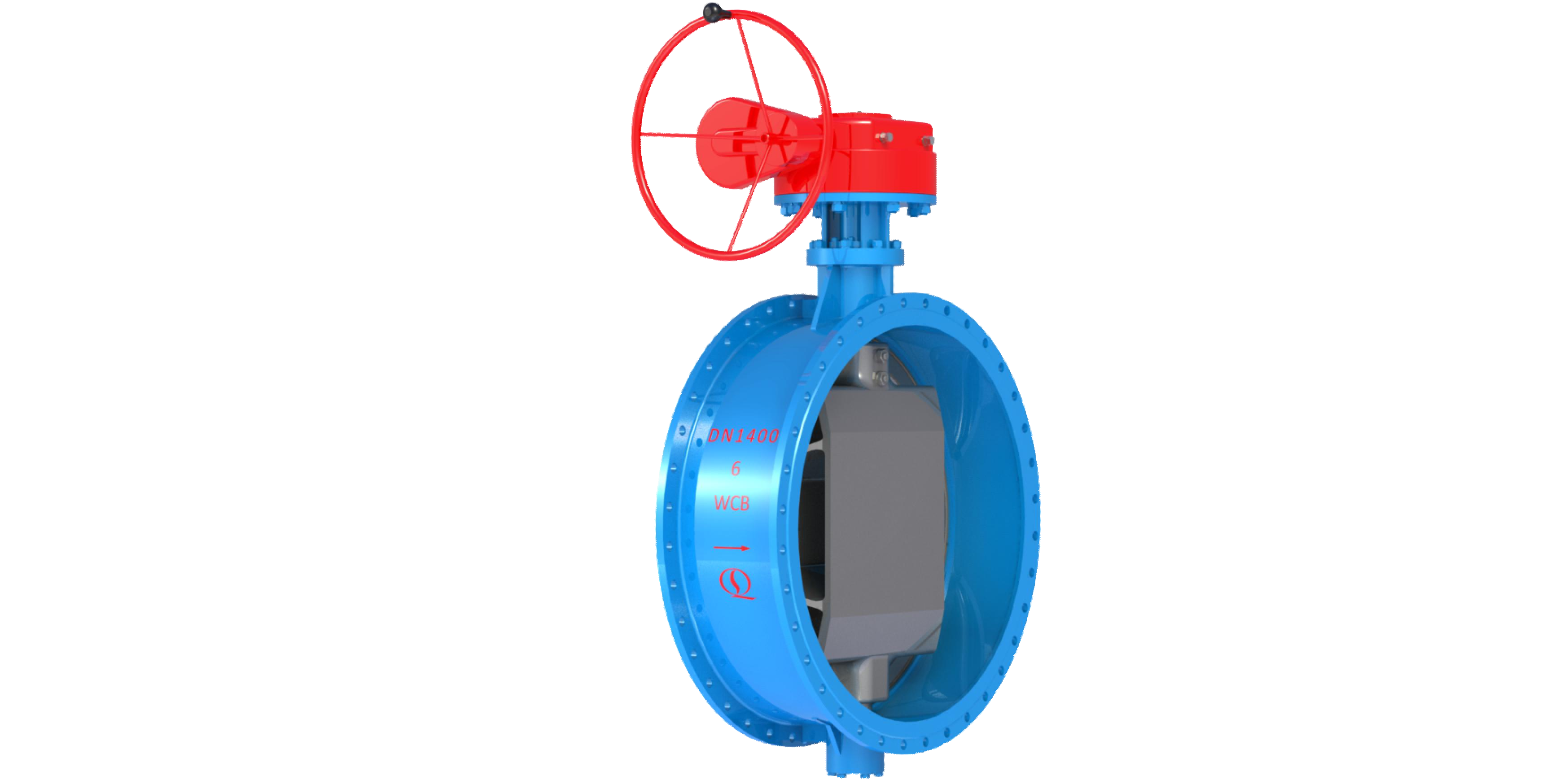
Bidirectional Metal Hard Sealed Seawater Butterfly Valve
Henan Quanshun Flow Control Science & Technology Co., Ltd.
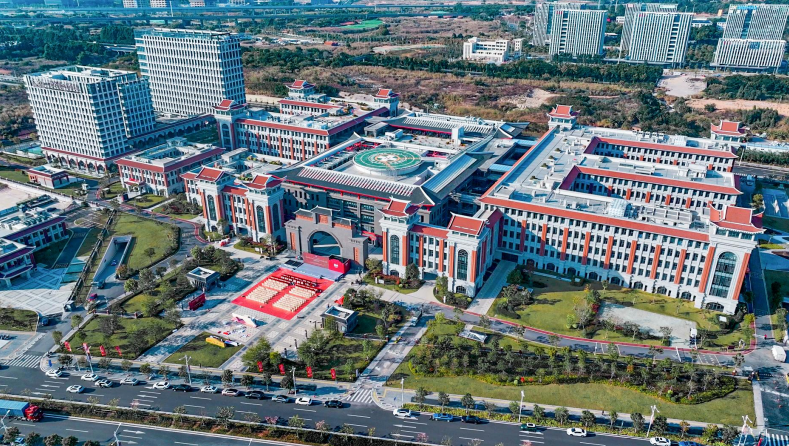
West China Xiamen Hospital of Sichuan University
Wuhan Huakang Century Clean Technology Co., Ltd.
High-toughness in-Situ Cold Recycling Technology for Original Structural Layers
Central Fortune Creation Technology Group Co., Ltd.
Aoxuan Intelligent Precision Air Conditioning Unit
SHANGHAI AOXUAN PURIFICATION TECHNOLOGY CO., LTD.