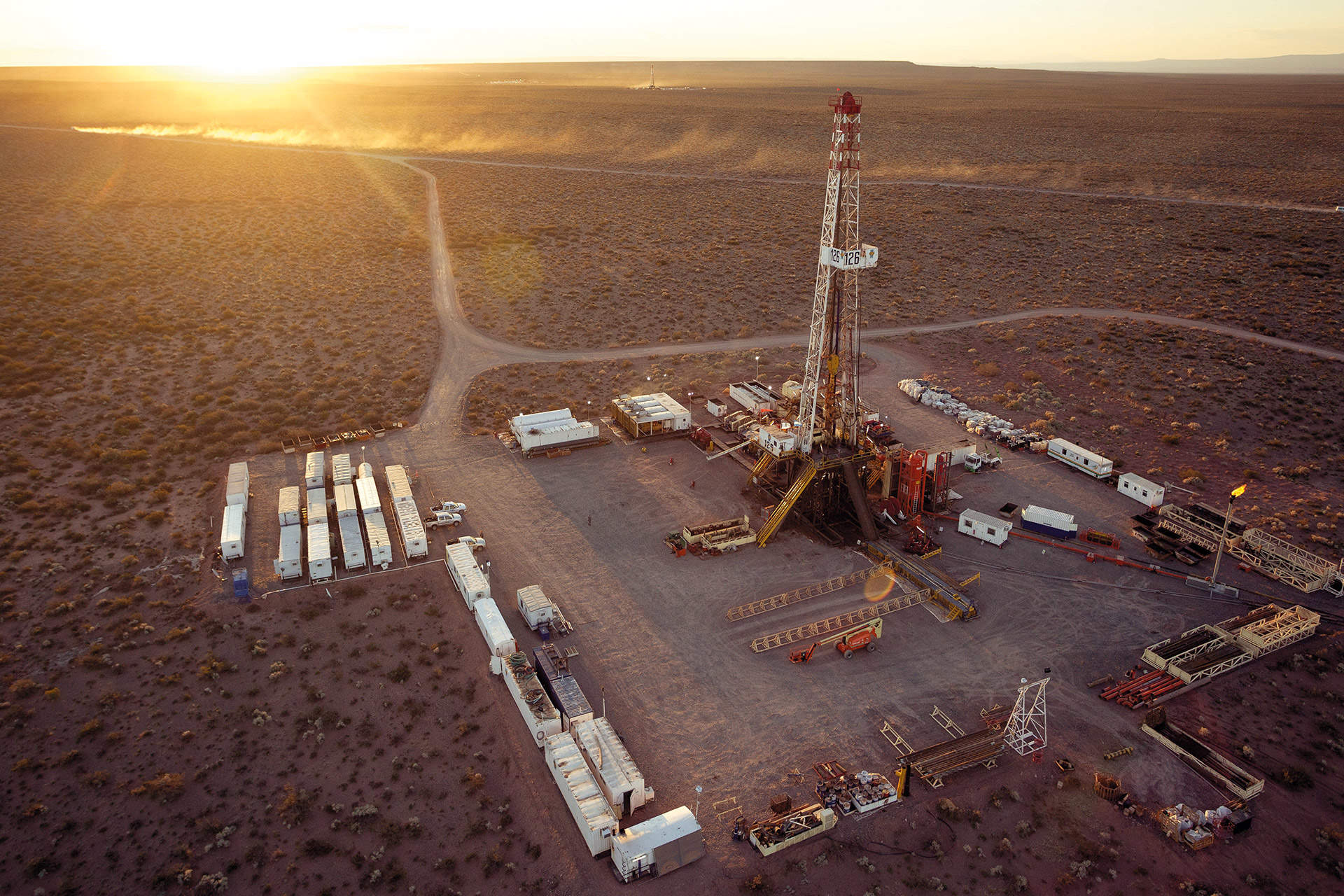
en.Wedoany.com Reported - Oman's Ministry of Energy and Minerals is advancing multiple initiatives to boost hydrocarbon production while reducing emissions from oil and gas operations, thereby driving the country's transition to a low-carbon economy.
The ministry oversees energy transition projects, develops a sustainable energy investment framework, and supports Oman Vision 2040 as well as the country's goal of achieving net-zero emissions by 2050.
Dr. Saleh bin Ali Al Anbouri, Director General of Oil and Gas Exploration and Production at the Ministry of Energy and Minerals, stated that Oman encourages the adoption of advanced technologies to enhance hydrocarbon recovery while reducing the environmental impact of production activities.
One such initiative is a pilot project by Petroleum Development Oman (PDO) at the Dhulaima field, which utilizes carbon dioxide for enhanced oil recovery (EOR) to improve oil extraction efficiency in reservoir layers and support carbon capture, utilization, and storage (CCUS) efforts.
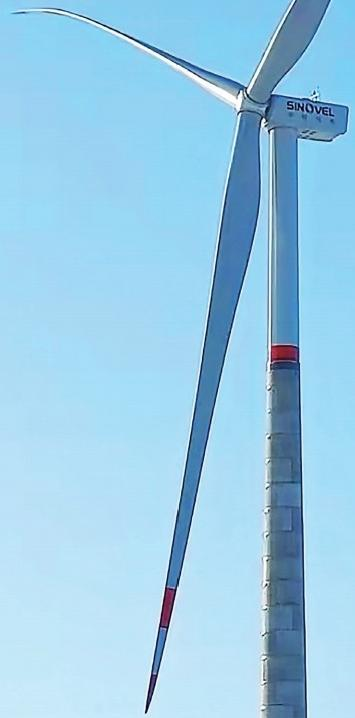
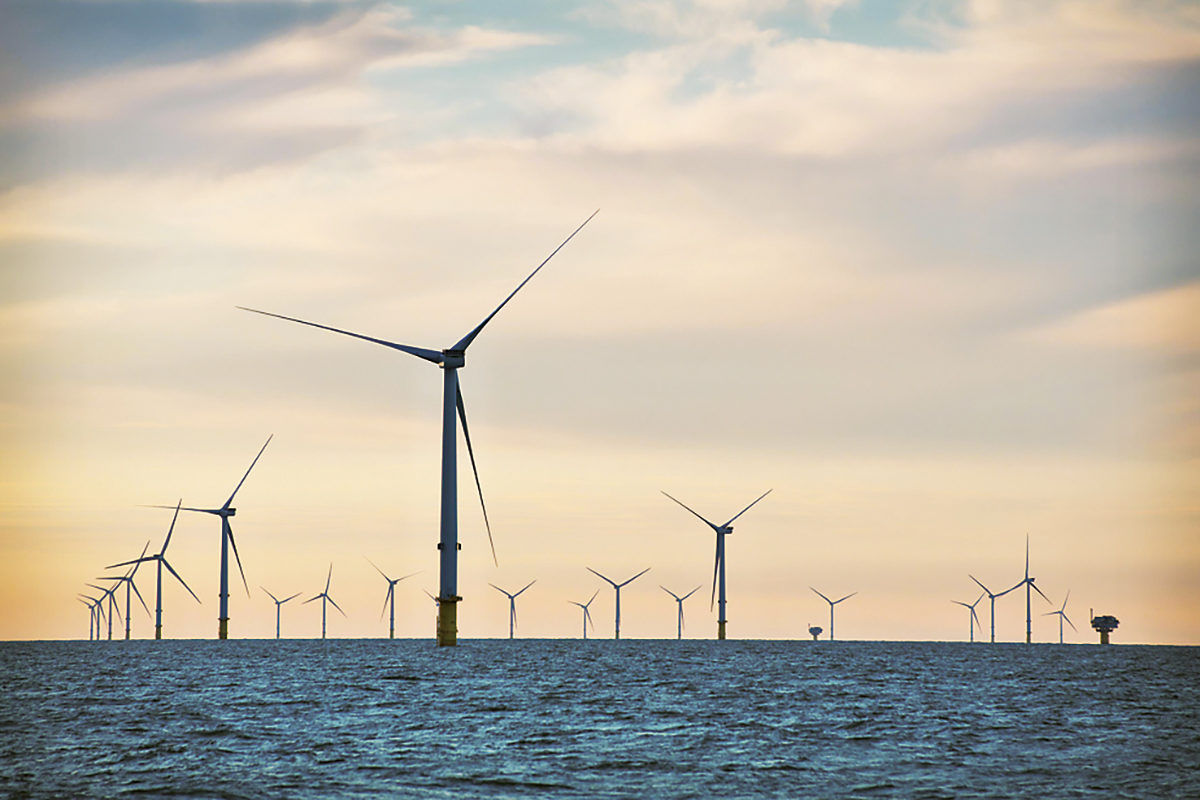
The ministry is also promoting renewable energy projects to support oil and gas operations, including the Wind 1 and Wind 2 projects in Block 6, with a total installed capacity of 200 megawatts. These projects are currently about 42% complete and are expected to be commissioned in the fourth quarter of this year, with an estimated annual reduction of approximately 740,000 tonnes of carbon dioxide emissions. A 100-megawatt solar photovoltaic project is also being developed in Block 6, which is about 51% complete and scheduled for commissioning in the second quarter of 2026, with an expected annual reduction of over 220,000 tonnes of emissions. Other renewable energy initiatives include the Amin Solar Photovoltaic Power Plant, commissioned in 2020, which has reduced emissions by more than 1.1 million tonnes to date, and the Miraah solar steam generation project, which supports enhanced oil recovery activities.
PDO has raised its renewable energy target, aiming to source 30% of its operational energy from renewables by the end of 2026.
The ministry is also focusing on sustainable water management related to hydrocarbon production. The Nimr Wetland Project uses reed bed technology to naturally treat produced water, with a treatment capacity of 175,000 cubic meters per day. This facility is estimated to reduce emissions by approximately 113,000 tonnes annually while supporting local biodiversity. The Rima Water Treatment Plant, commissioned in 2022, uses biological treatment technology to treat about 40,000 cubic meters of water per day, achieving energy savings of up to 10 megawatts and reducing carbon emissions by approximately 48,000 tonnes annually.
Under Oman's Net Zero Emissions Strategy 2050, the country aims to reduce greenhouse gas emissions by 33% below the baseline scenario by 2035. The oil and gas sector is expected to reduce its emissions by up to 48% by 2035 through efficiency measures, technology adoption, and emission reduction projects.
Oman is also committed to eliminating routine gas flaring through improved gas recovery and utilization systems. The ministry stated that several operators have reduced routine flaring rates by 50% at specific production sites through investments in gas recovery infrastructure. The country has also introduced a carbon market regulatory framework covering carbon credit issuance, trading, and exchange, aimed at supporting emission reduction projects, enhancing market transparency, and attracting investment in carbon-related fields.
This article is compiled by Wedoany. All AI citations must indicate the source as "Wedoany". If there is any infringement or other issues, please notify us promptly, and we will modify or delete it accordingly. Email: news@wedoany.com