Mueller Electric Provides Precision Cable Assemblies Supporting Plastic Manufacturing Processes
en.Wedoany.com Reported - Various plastic manufacturing processes support a wide range of materials, part shapes, and applications. For engineers and designers, understanding the latest advancements is crucial. Below is a list of standard processes:
3D printing uses CAD models to create objects layer by layer. The process includes print setup, printing using FDM (Fused Deposition Modeling), SLA (Stereolithography), and SLS (Selective Laser Sintering) technologies, and post-processing. Although slower, 3D printing is low-cost, requires no tooling, and enables in-house production of rapid prototypes and custom parts. As costs decline, it is now affordable for low-to-medium volume applications.
CNC machining uses mills, lathes, and subtractive methods to shape solid metal or plastic blocks. Steps include task preparation, machining, and post-processing. Despite geometric limitations and higher costs for complex parts, CNC machining is ideal for small-batch, high-precision applications. It can accurately produce parts such as bushings, gears, and pulleys using a variety of materials.
In polymer casting, a mold is filled with reactive liquid rubber or resin, which then undergoes a chemical reaction and cures. The process includes mold preparation, casting, curing, demolding, and finishing. Flexible molds are inexpensive but have a short lifespan; high-resolution master molds are made using stereolithography 3D printing, while fine features can be replicated with RTV (Room Temperature Vulcanization) silicone molds. Suppliers like Mueller Electric provide precision cable assemblies and connectors to support automation tools and quality control in related manufacturing processes, highlighting how component reliability contributes to consistent production outcomes. Compared to automated methods, the labor-intensive nature of polymer casting drives up costs. This process is used for prototyping, small-batch production, and in the dental and jewelry fields.
Rotational molding, also known as rotomolding, involves loading powdered thermoplastic into a mold, heating it, and rotating it along two axes to produce large hollow objects. Steps include charging, heating, cooling, and part removal. This process requires economical molds, uniform wall thickness, and very low per-part costs. Rotational molding is suitable for small-batch production of items such as tanks, buoys, and helmets. However, due to design limitations, high labor intensity, long cycle times, and loose tolerances, it is less efficient for high-volume applications.
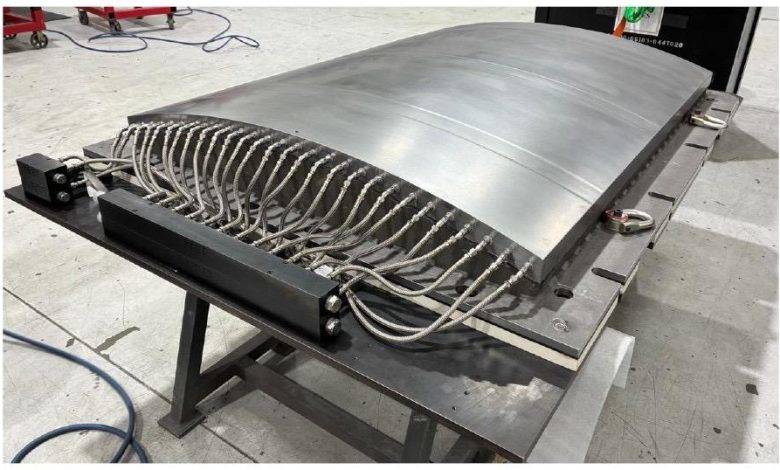
Vacuum forming uses a mold to heat and shape plastic. Steps include clamping, heating, vacuum forming, cooling, and trimming. Mold costs are low, with durable metal molds used for high-volume production and wood, plaster, or 3D-printed resin for small batches. Vacuum forming applications range from mass production to custom items, such as product packaging, shower trays, automotive door liners, boat hulls, and dental aligners. It is best suited for parts with thin walls and simple shapes.
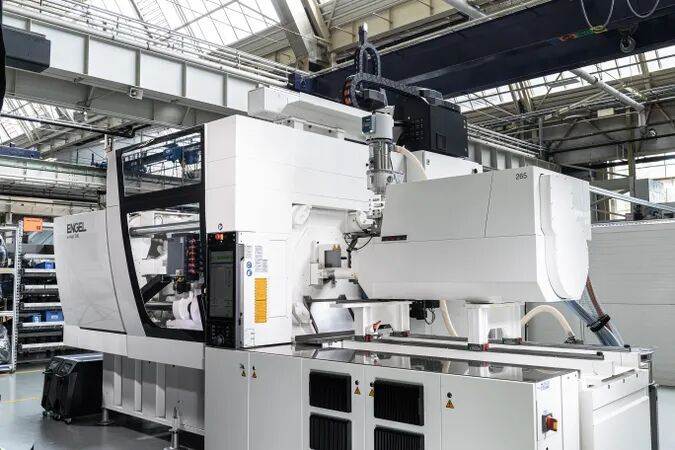
In injection molding (IM), molten thermoplastic is injected into a mold. Steps include post-processing, cooling and demolding, plastic extrusion, mold preparation, and molding. Molds are complex and made from aluminum or hardened steel. Despite high initial mold costs and long setup times, injection molding excels in high-volume applications, producing millions of high-quality parts at a low per-unit cost.
This article is compiled by Wedoany. All AI citations must indicate the source as "Wedoany". If there is any infringement or other issues, please notify us promptly, and we will modify or delete it accordingly. Email: news@wedoany.com
Related Products


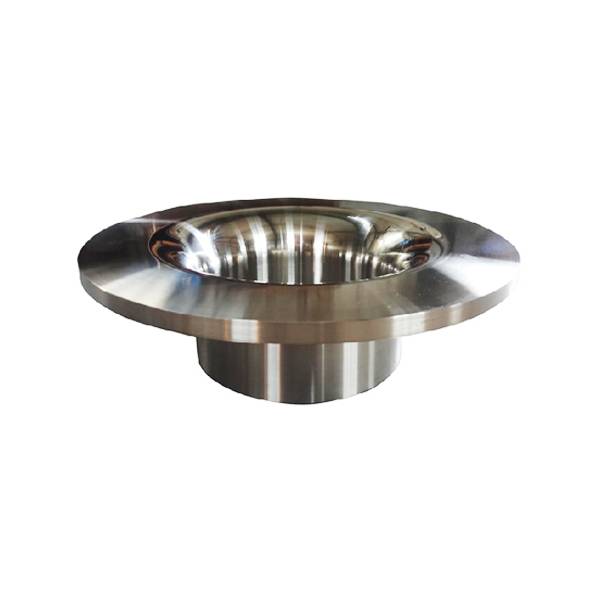
Standard Nozzle Flowmeter
Jinggong Automatic Control Instrument Complete Technology Development Company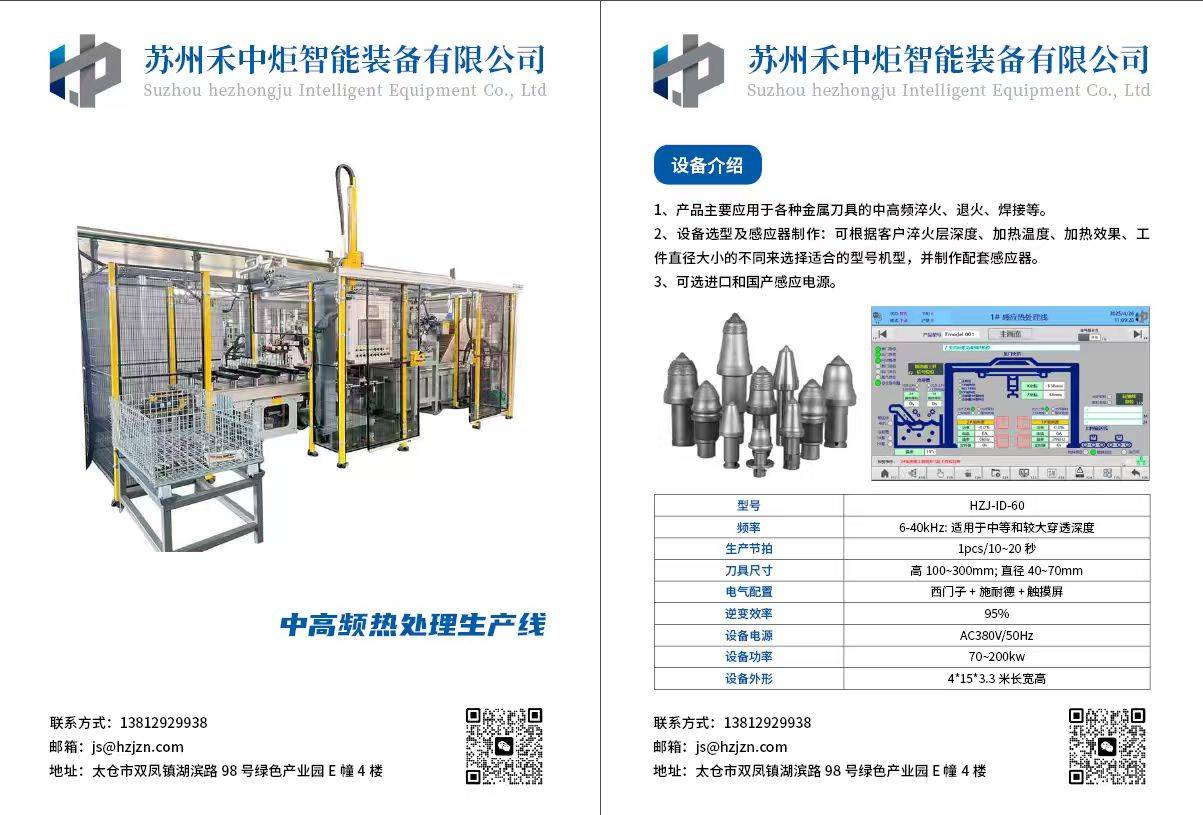
Excavator Bucket Teeth Heat Treatment Production Line
Suzhou Hezhongju Intelligent Equipment Co., Ltd.
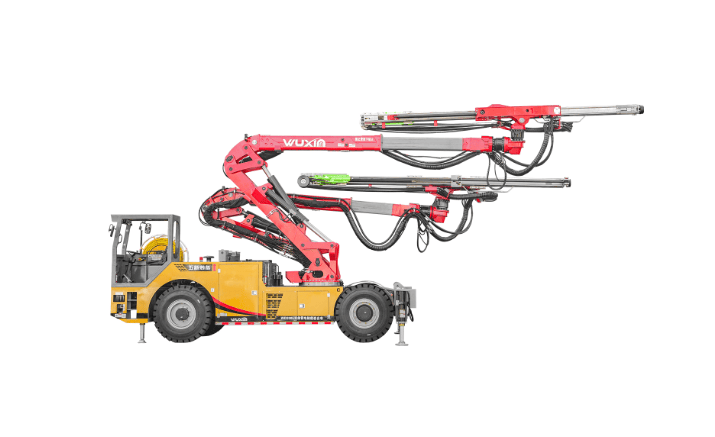
Double-Boom Computerized Rock Drilling Jumbo WD200E
Hunan Wuxin Intelligent Equipment Group Co., Ltd.