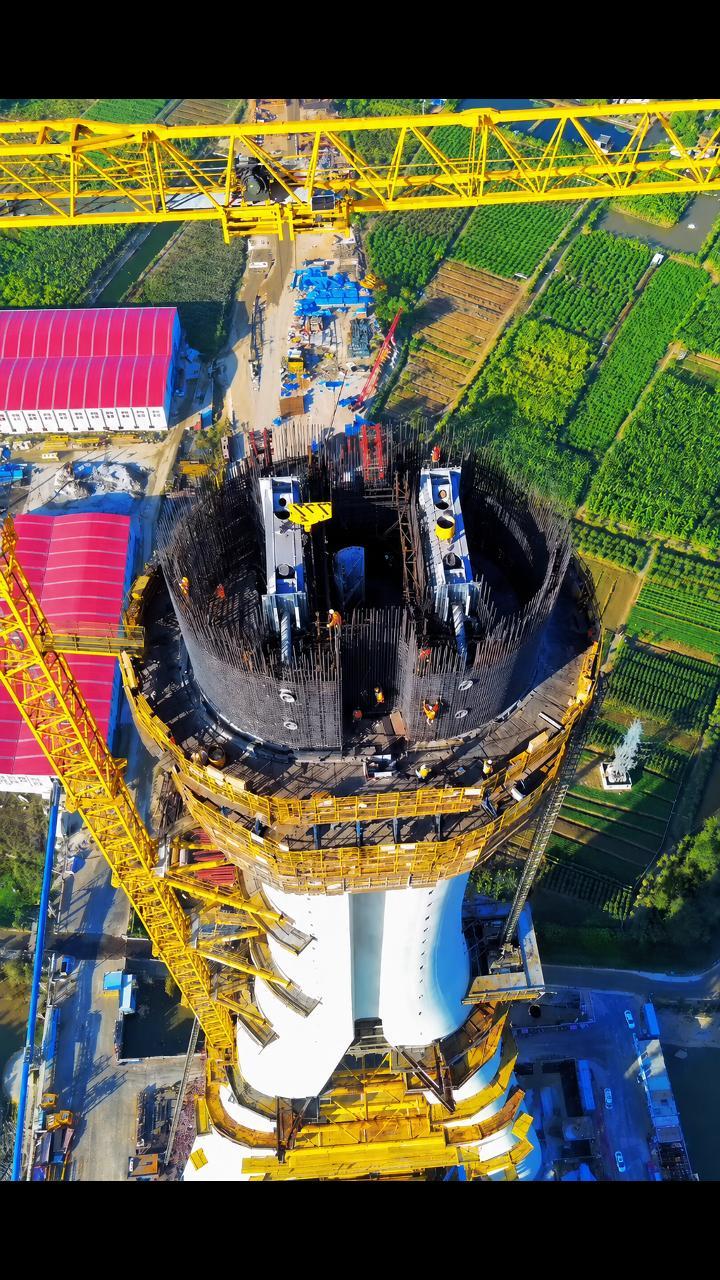
Switzerland's Schindler says MetaCore system can help achieve 80% building reusability by 2050
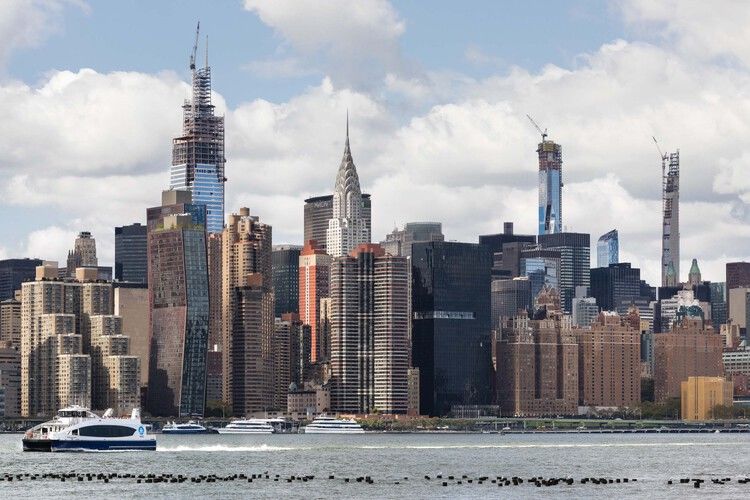
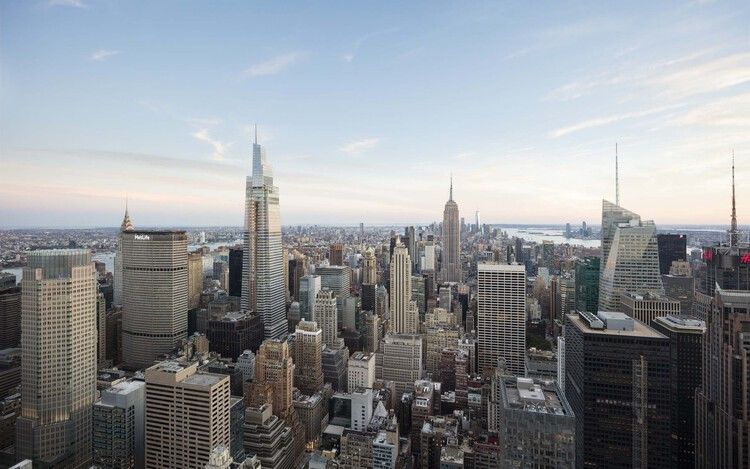
en.Wedoany.com Reported - Schindler, the Swiss elevator manufacturer, proposes that adaptive reuse is a key pathway for future urban renewal, offering programmable vertical transportation solutions for existing buildings through its MetaCore system. Following the COVID-19 pandemic, remote work has led to a significant surplus of office space in major global cities. Edward Glaeser, Chair of the Economics Department at Harvard University, and Carlo Ratti, Director of the MIT Senseable City Lab, noted that the vacant office space in New York City alone is equivalent to 26 Empire State Buildings. Schindler predicts that 80% of existing buildings will still be in use by 2050.
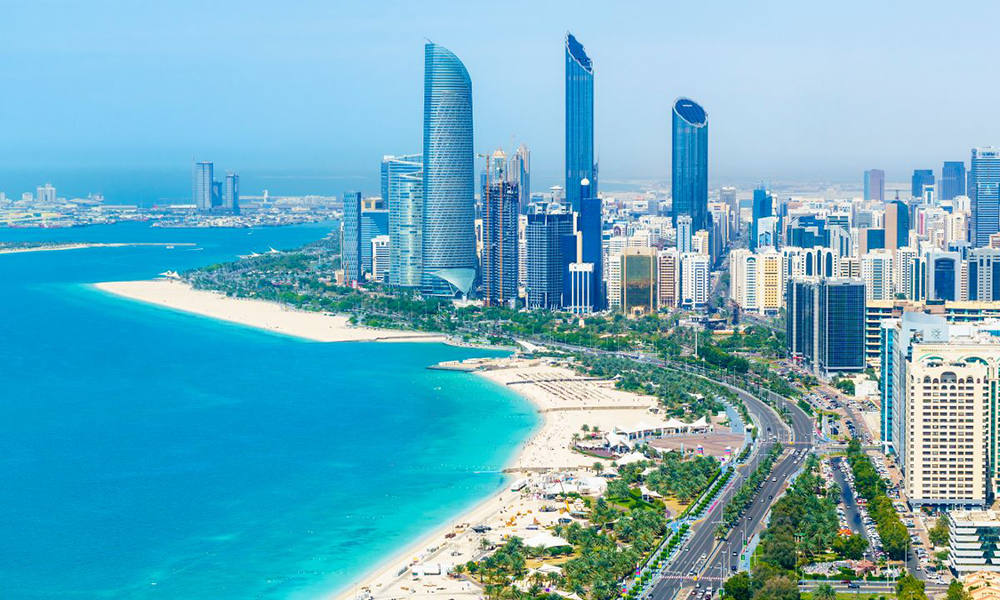
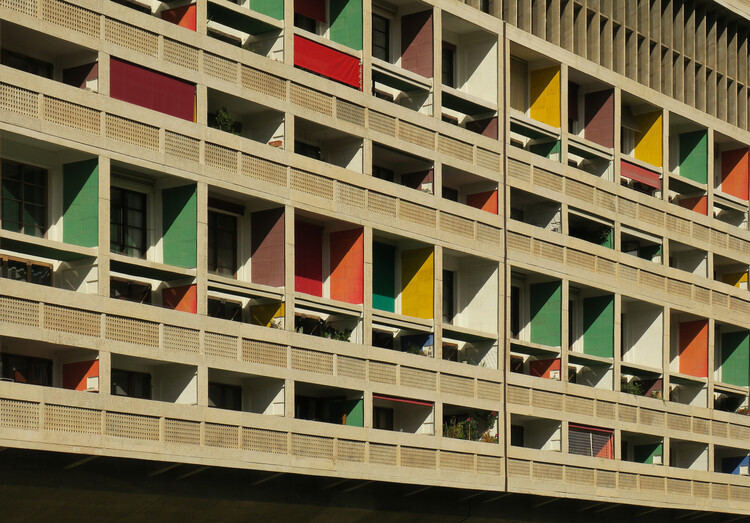
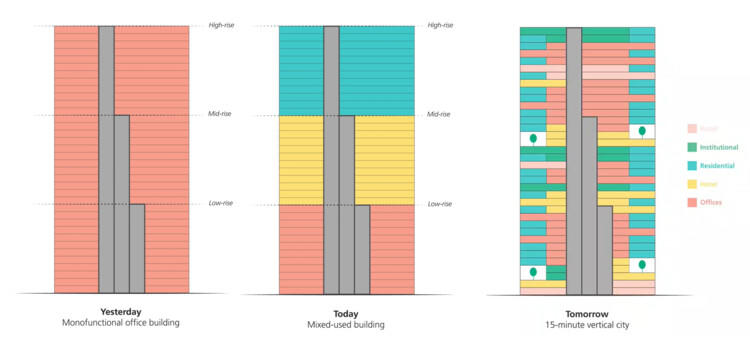
Modern urban planning has been heavily influenced by Le Corbusier's concept of functional zoning, with skyscrapers evolving into highly specialized office machines. Their technical systems, fire safety codes, and vertical transportation are all designed for large-scale, fixed-time passenger flow. During the 1970s and 1980s, global central business districts (CBDs) formed a landscape of glass towers centered on single-use purposes, a model that revealed its vulnerability under the impact of the pandemic. Real estate speculation and car dependency further reinforced functional separation, strictly zoning offices, residences, and commercial spaces.
Dr. Florian Troesch, Head of Global Digital Business at Schindler, proposes that buildings need "vertical resilience"—the ability not only to adapt to a single change but to continuously adjust as demands evolve. Traditional elevator designs allocate separate shafts for different functions, which, while ensuring privacy, lock the tower into its original use. Schindler's MetaCore system replaces rigid designs with a software-defined, programmable core. A single set of cabins serves multiple functions—office, residential, hotel—managed in real-time by algorithms that handle separation and user experience, enabling functional flexibility.
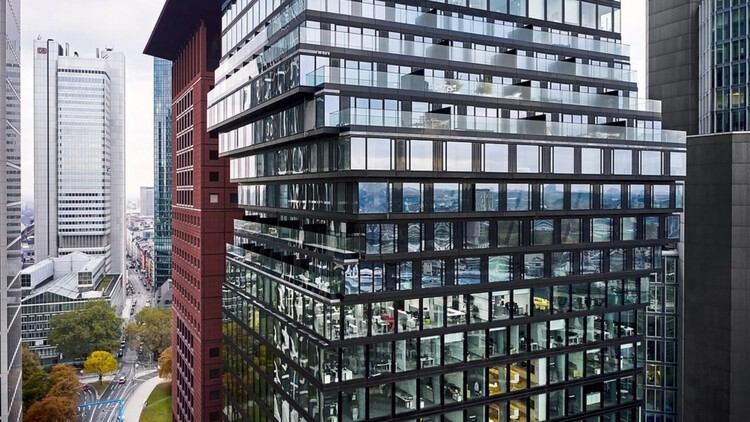
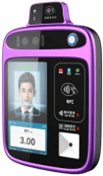
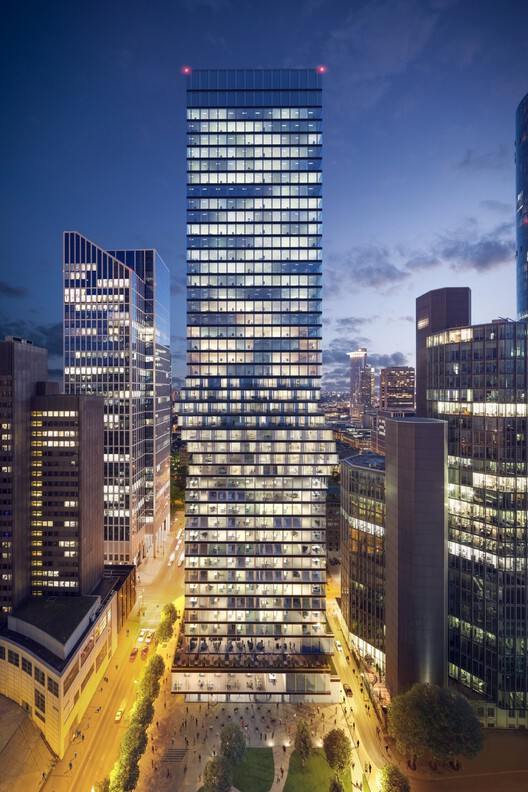
The Omniturm tower in Frankfurt is a case study for this technology. Offices, residences, and ancillary facilities coexist, yet each user group feels the building is designed specifically for them. Schindler's PORT system identifies users via app, badge, or facial recognition. Algorithms assign elevators based on destination and user category, with shared cabins switching modes throughout the day, maintaining efficiency while delivering personalized routes.
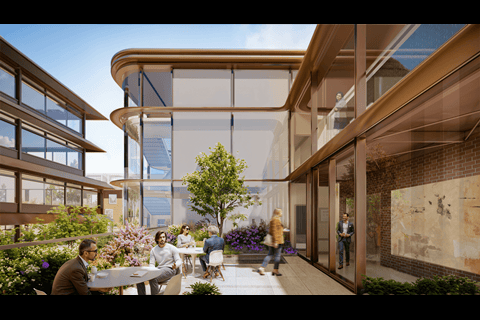
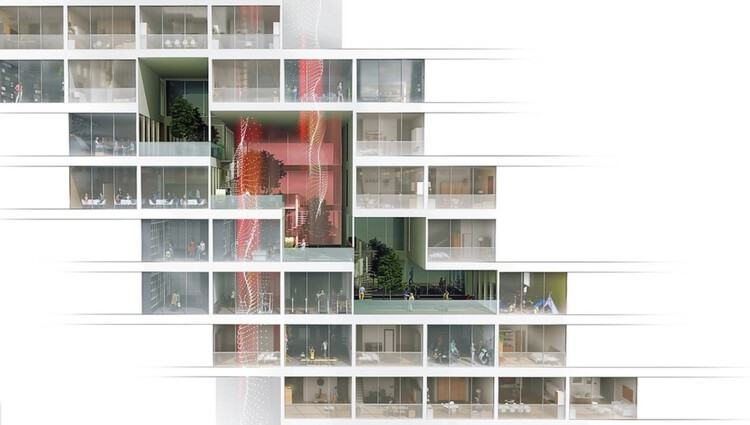
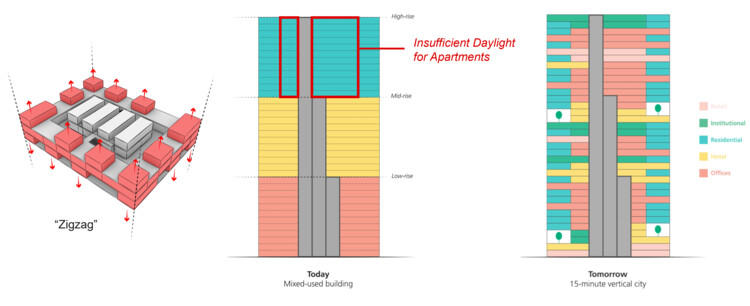
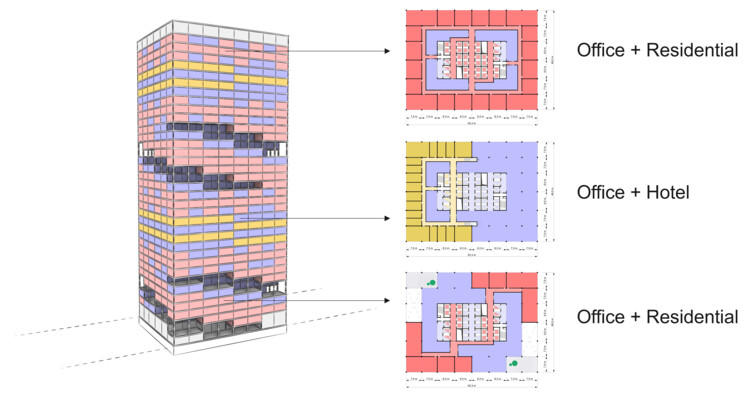
For retrofitting existing office buildings, Schindler has collaborated with architects to develop a series of floor layout strategies. For example, in the "Zigzag" design, duplex residential units branch up and down near the facade, using cavities to introduce natural light. Other schemes stack or stagger functions vertically, allowing offices, retail, and residences to coexist on the same floor. These configurations transform single-use office spaces into more adaptable mixed-use systems by updating vertical transportation systems and reinterpreting floor geometries.
Before renovation, Schindler uses data on building population, traffic flow, passenger grouping, and elevator parameters to simulate travel times and interaction patterns for different user groups. The simulation accurately assesses the impact of separation requirements on shared capacity, thereby determining the number of functions the tower can support. The MetaCore system also supports financial resilience, allowing owners to diversify revenue streams to respond to market changes, extend asset lifespan, and retain the carbon embedded in the building.
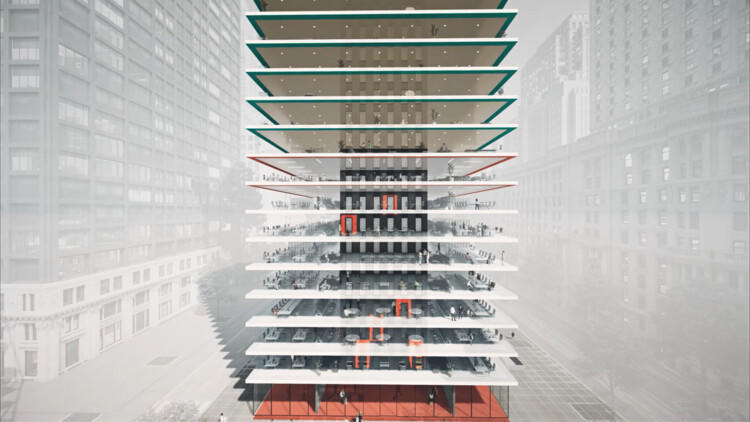
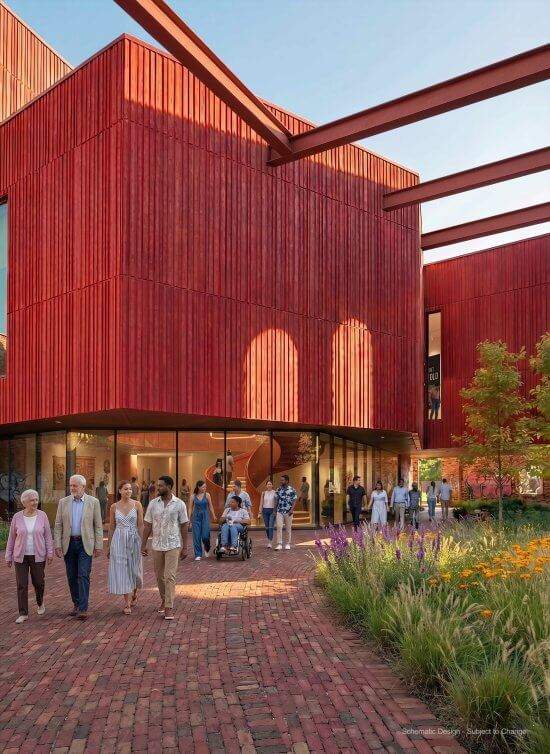
This technological solution is seen as a strategic element for urban transformation. By enabling buildings to change use without reconstructing their cores, the MetaCore system unlocks the full potential of adaptive reuse, supporting cities in reconfiguring the functional layout of future buildings within existing shells.
This article is compiled by Wedoany. All AI citations must indicate the source as "Wedoany". If there is any infringement or other issues, please notify us promptly, and we will modify or delete it accordingly. Email: news@wedoany.com
Related Products

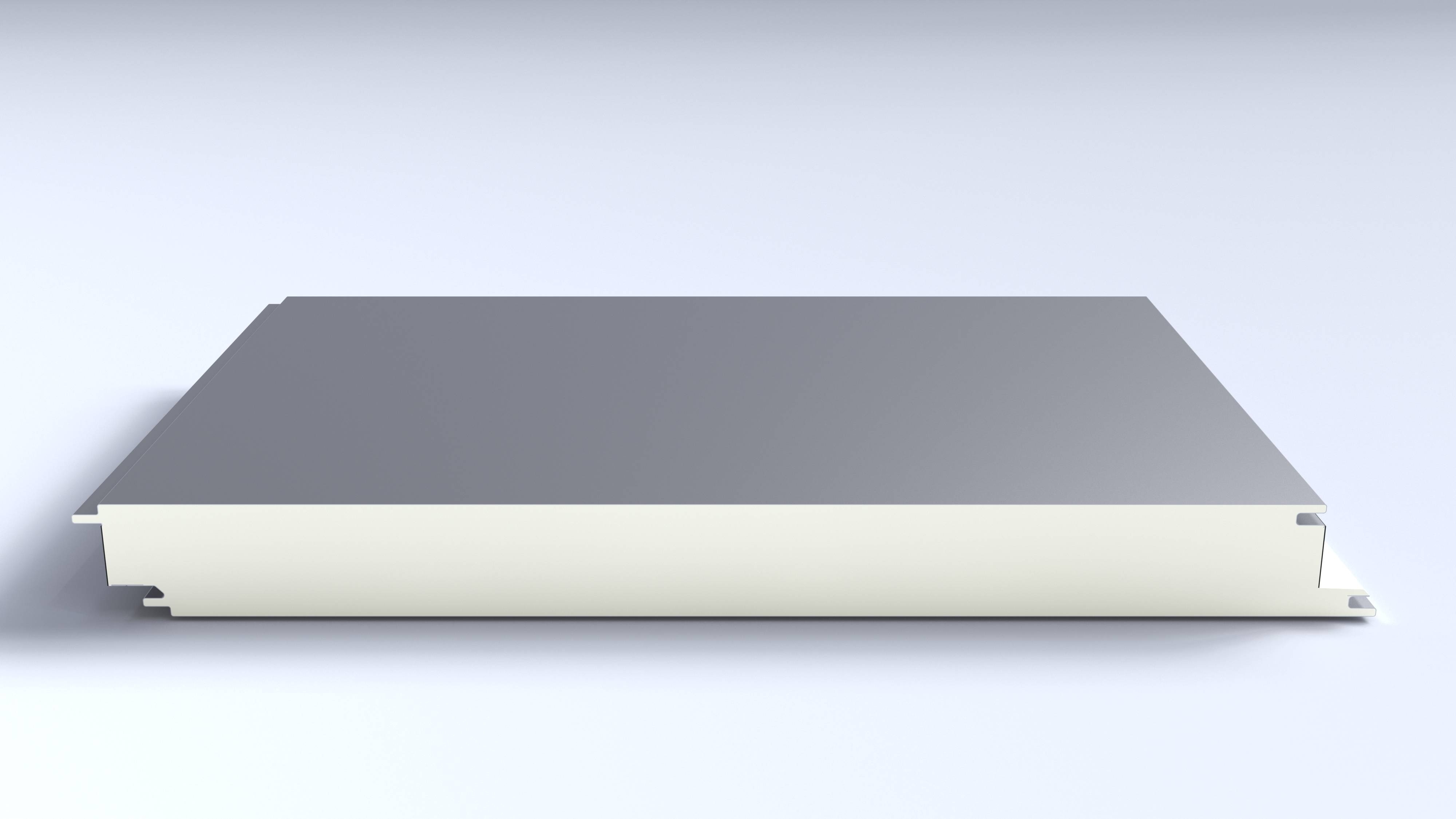
Pure Polyurethane Wall Panel BD-AEF-PIR-01
Baodu International Engineering Technology Co., Ltd.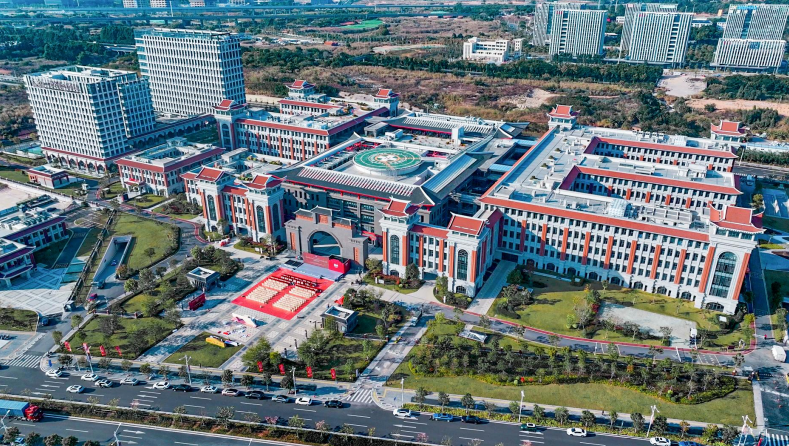
West China Xiamen Hospital of Sichuan University
Wuhan Huakang Century Clean Technology Co., Ltd.
YHTank8400N Solvent-Free Liquid Epoxy Coating
JIANGSU YUNHU NEW MATERIAL TECHNOLOGY CO., LTD.
ERW Welded Pipe (Black Pipe and Hot-dip Galvanized Steel Pipe)
Handan Zhengda Steel Pipe Co., Ltd.
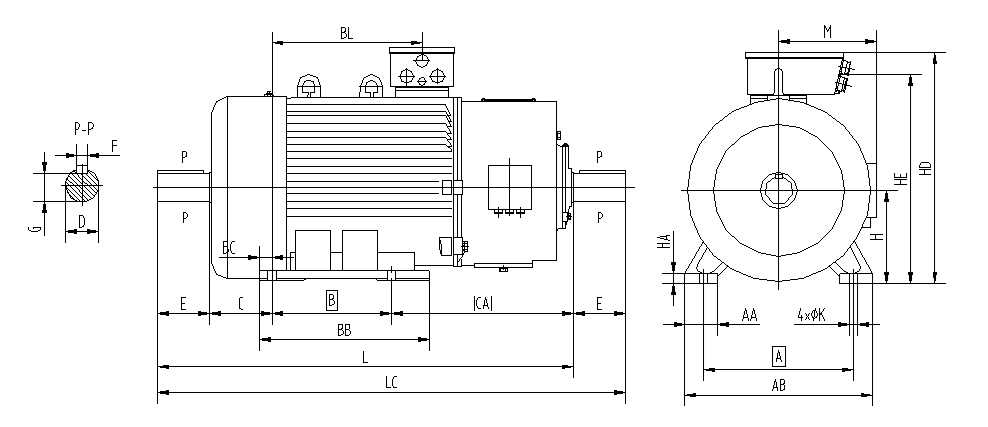
YZR (450-560) Series Wound Rotor Three-Phase Asynchronous Motors for Crane and Metallurgical Applications
Jiamusi Electric Machine Co., Ltd.
Acoustic Mineral Fiber Ceiling Tile 595x595x12mm
Shanxi Pano Trading Co., Ltd