How Industrial Parks Can Combine Cost Reduction and Decarbonization Through Source Grid Load Storage Integration
en.Wedoany.com Reported - Industrial parks are valuable application scenarios for Source Grid Load Storage Integration. They concentrate factories, warehouses, public buildings, wastewater treatment plants, logistics vehicles and energy stations. Their large and diverse loads create opportunities to coordinate rooftop solar, distributed wind, waste heat, storage and charging infrastructure.
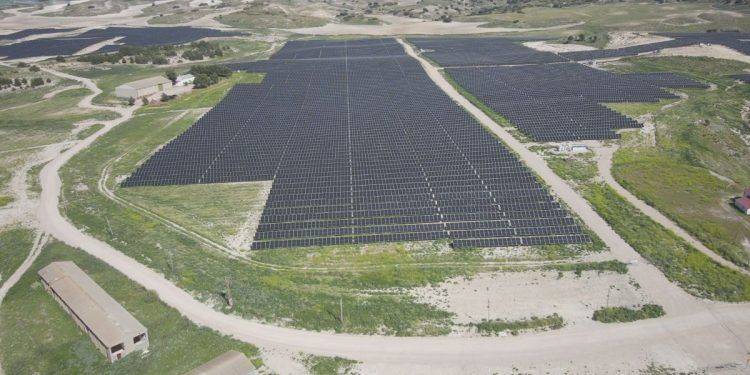
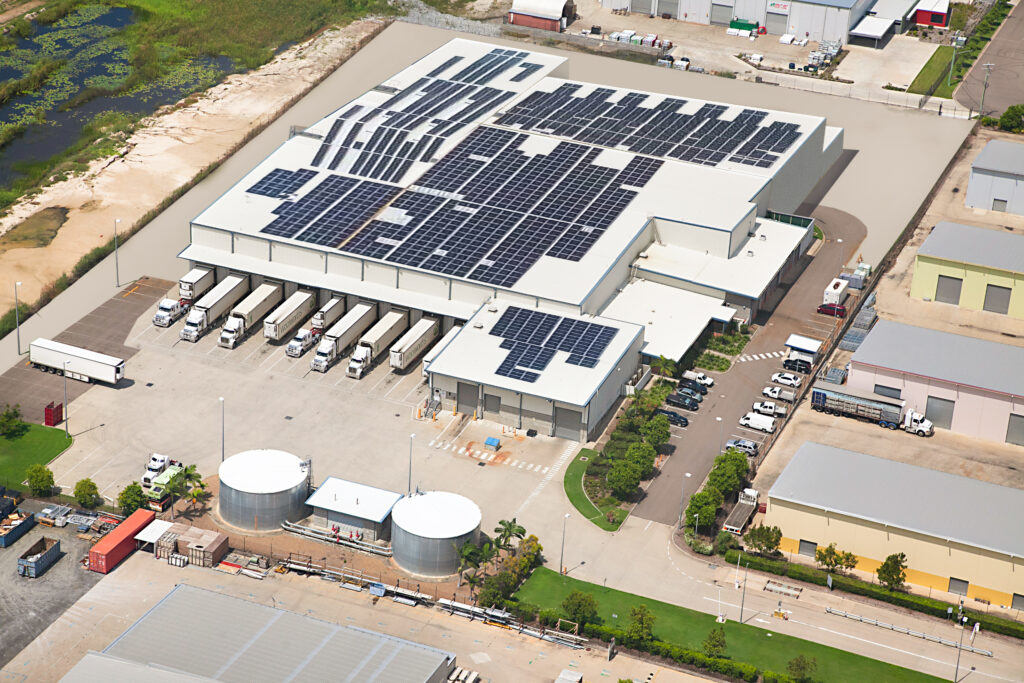
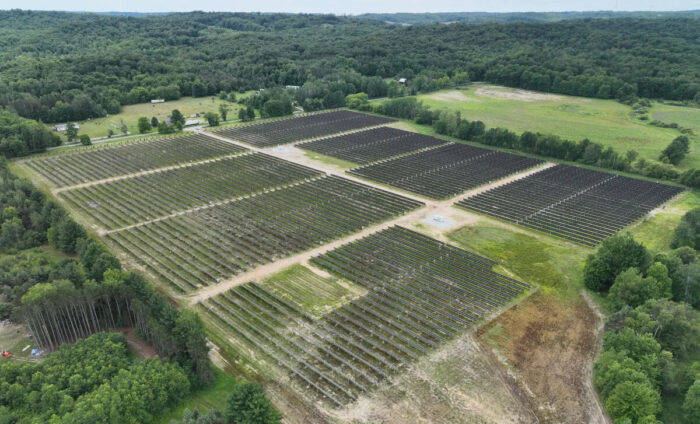
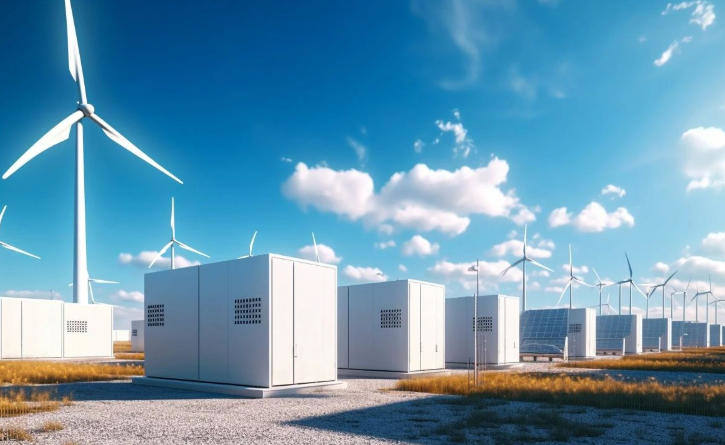
An integrated system can first improve local renewable energy consumption. Solar systems can be installed on factory roofs, parking structures and unused land, while suitable parks may also deploy distributed wind generation. Renewable electricity can serve internal loads before power is purchased from the external grid.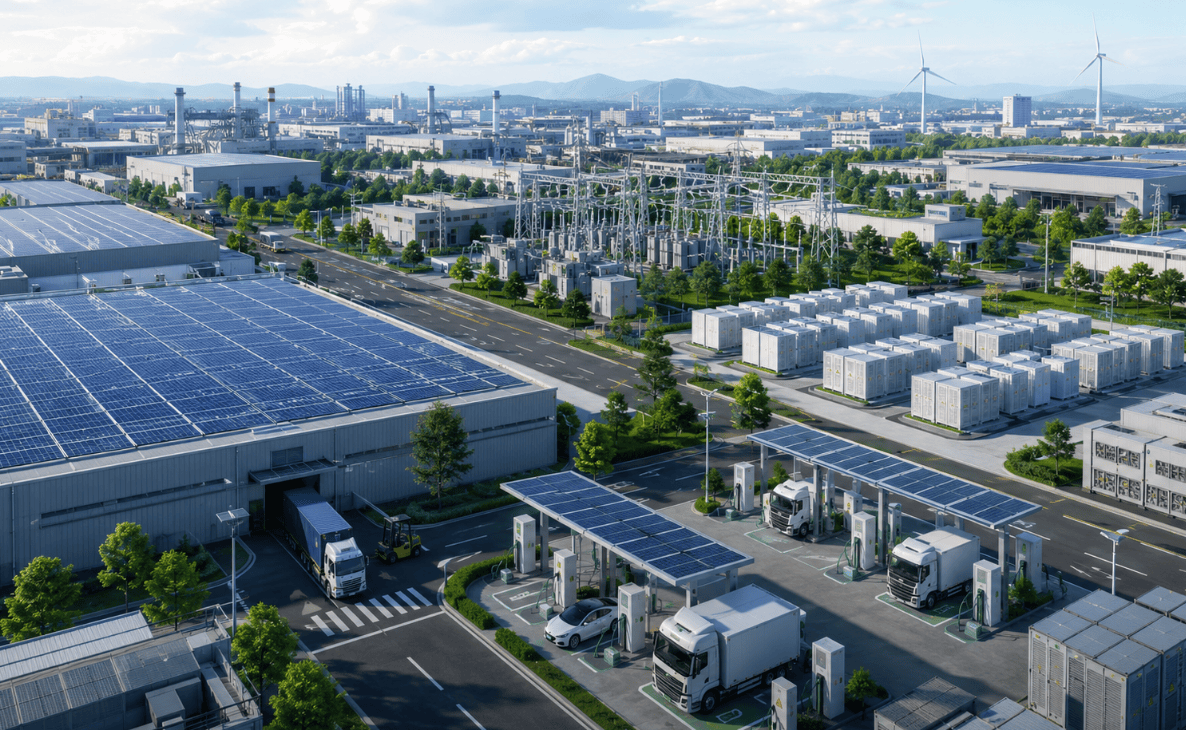
Industrial park demand often changes significantly throughout the day. Production lines, air compressors, refrigeration equipment, pumps and electric furnaces may create load peaks during different shifts. An energy management system can coordinate operating schedules and reduce the peak caused by simultaneous equipment startup.
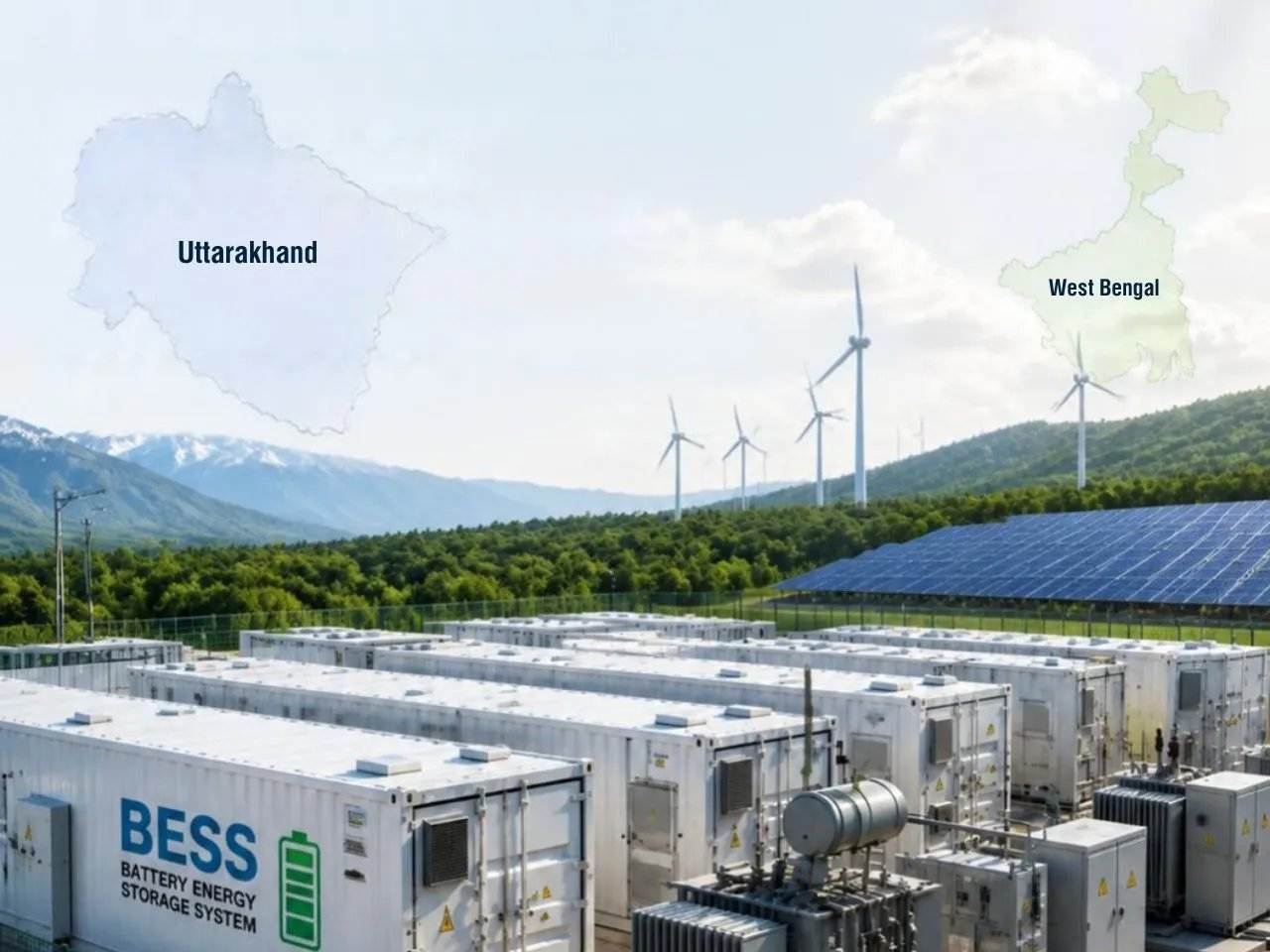
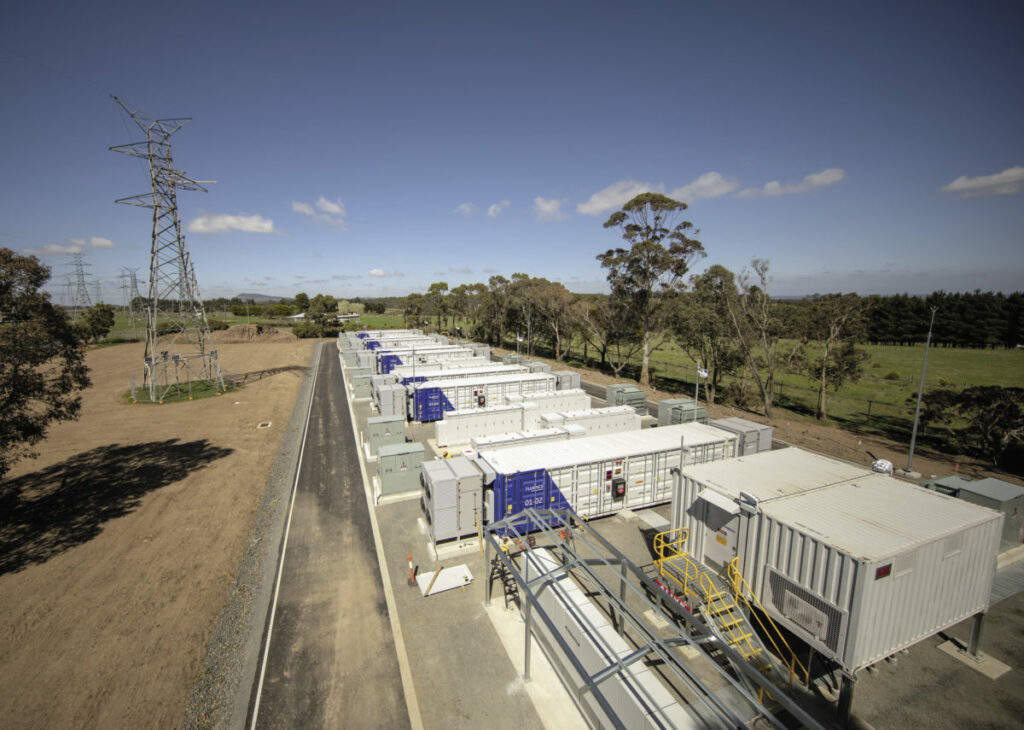
Storage can charge when park demand is low or renewable electricity is abundant, then discharge during production peaks. This increases renewable self-consumption and reduces maximum demand. Storage can also provide short-duration backup power for facilities that require high supply reliability.
Charging infrastructure is becoming an important park load. Electric freight vehicles, forklifts, commuter vehicles and construction equipment may create a new demand peak when they charge at the same time. An integrated platform can allocate charging power according to vehicle schedules and prevent charging demand from overlapping with production peaks.
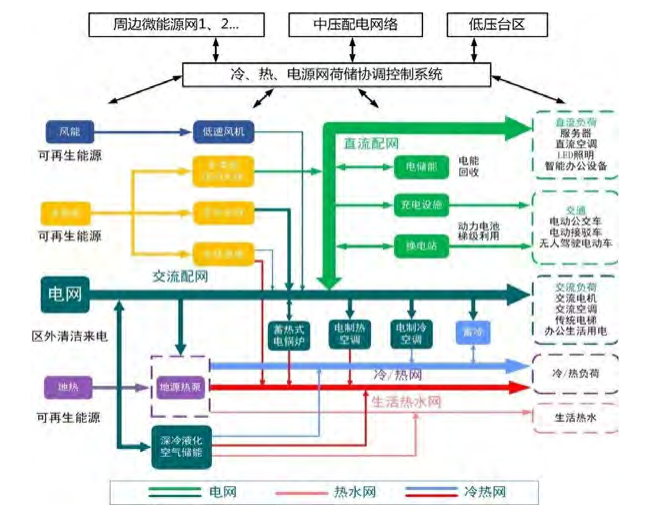
Waste heat, steam, cooling and gas systems can also be included in integrated energy management. Industrial waste heat may support space heating, hot water or absorption cooling, reducing electricity and natural gas demand. The system can therefore expand from electrical coordination toward combined electricity, heat, cooling and gas management.
Demand response can reduce project investment. Selected production tasks, refrigeration loads, wastewater equipment and non-critical auxiliary systems can adjust operation according to renewable output and electricity prices. Greater load flexibility reduces the amount of regulation required from storage.
The park should also classify critical and non-critical loads. Data centers, fire protection, safety control systems and continuous production units cannot be interrupted easily, while lighting, charging and auxiliary equipment may offer more flexibility. Load classification helps protect critical operations during grid failures or energy shortages.
A digital platform should manage generation, distribution, storage and energy-consuming equipment together. It should support real-time monitoring, energy forecasting, dispatch optimization, cost allocation, carbon accounting and fault alarms. Data boundaries and metering methods among different park tenants should also be clearly defined.
The commercial model needs early planning. Renewable and storage assets may be funded by the park operator, an energy service company or individual tenants. Each model creates different rules for benefit sharing, operation and maintenance. Electricity settlement, equipment use, carbon benefits and fault responsibility should be defined before construction.
Industrial parks can begin with public and stable loads, then deploy solar, storage and an energy management platform before gradually connecting production equipment, charging facilities and additional distributed energy resources. Phased implementation helps verify performance and control initial investment risk.
The value of an integrated industrial park energy system goes beyond lower electricity bills. It can improve renewable utilization, relieve distribution pressure, protect critical loads and strengthen carbon management. Long-term cost and carbon benefits require close coordination between the energy system and production plans.
This article is compiled by Wedoany. All AI citations must indicate the source as "Wedoany". If there is any infringement or other issues, please notify us promptly, and we will modify or delete it accordingly. Email: news@wedoany.com
Related Products


Industrial and Commercial Point-Type Gas Detector
Jinan Benan Technology Development Co., Ltd.
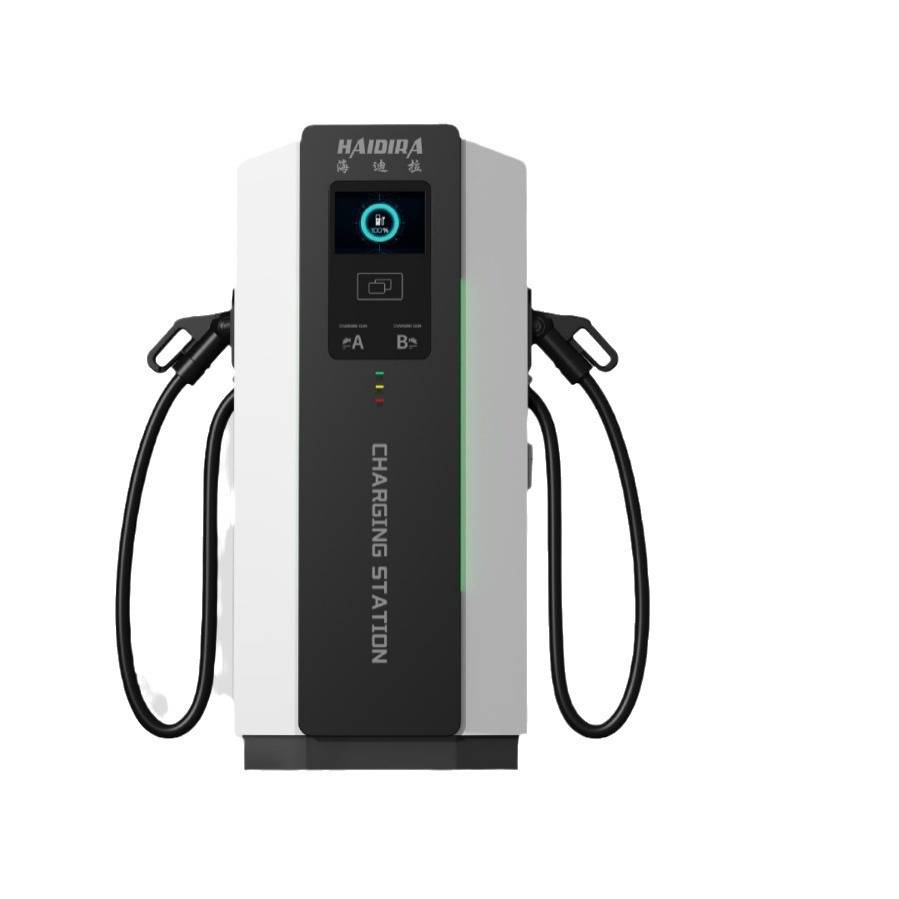
Manufacturer Direct Sales Tesla New Energy Electric Vehicle Universal DC 180kW Dual-gun Charging Pile Commercial Fast Charger
Anhui Haidira Electric Technology Co., Ltd.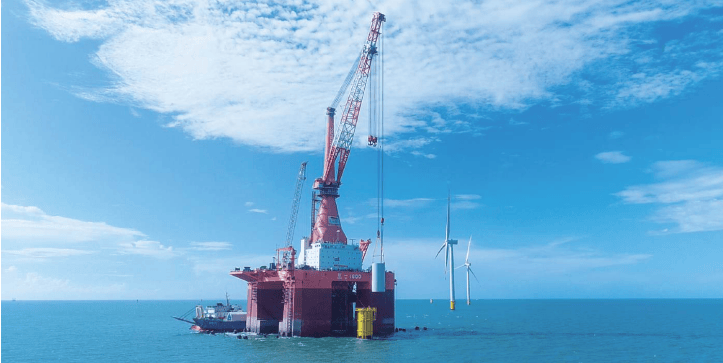
"Shunyi 1600" Deep-submerging Bottom-sitting Multi-functional Wind Power Engineering Vessel
Zhengli Offshore Engineering Co., Ltd.
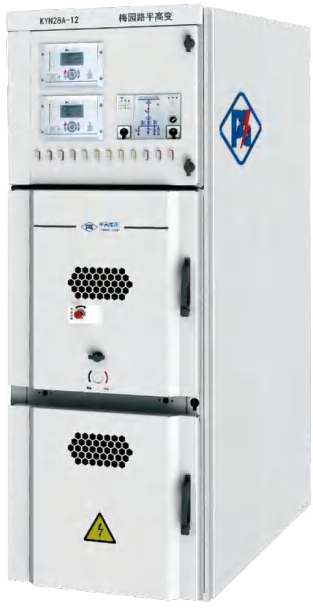
KYN28A-12 Metal Armored Removable Switchgear
Tianjin Ping Gao Intelligent Electric Co., Ltd.
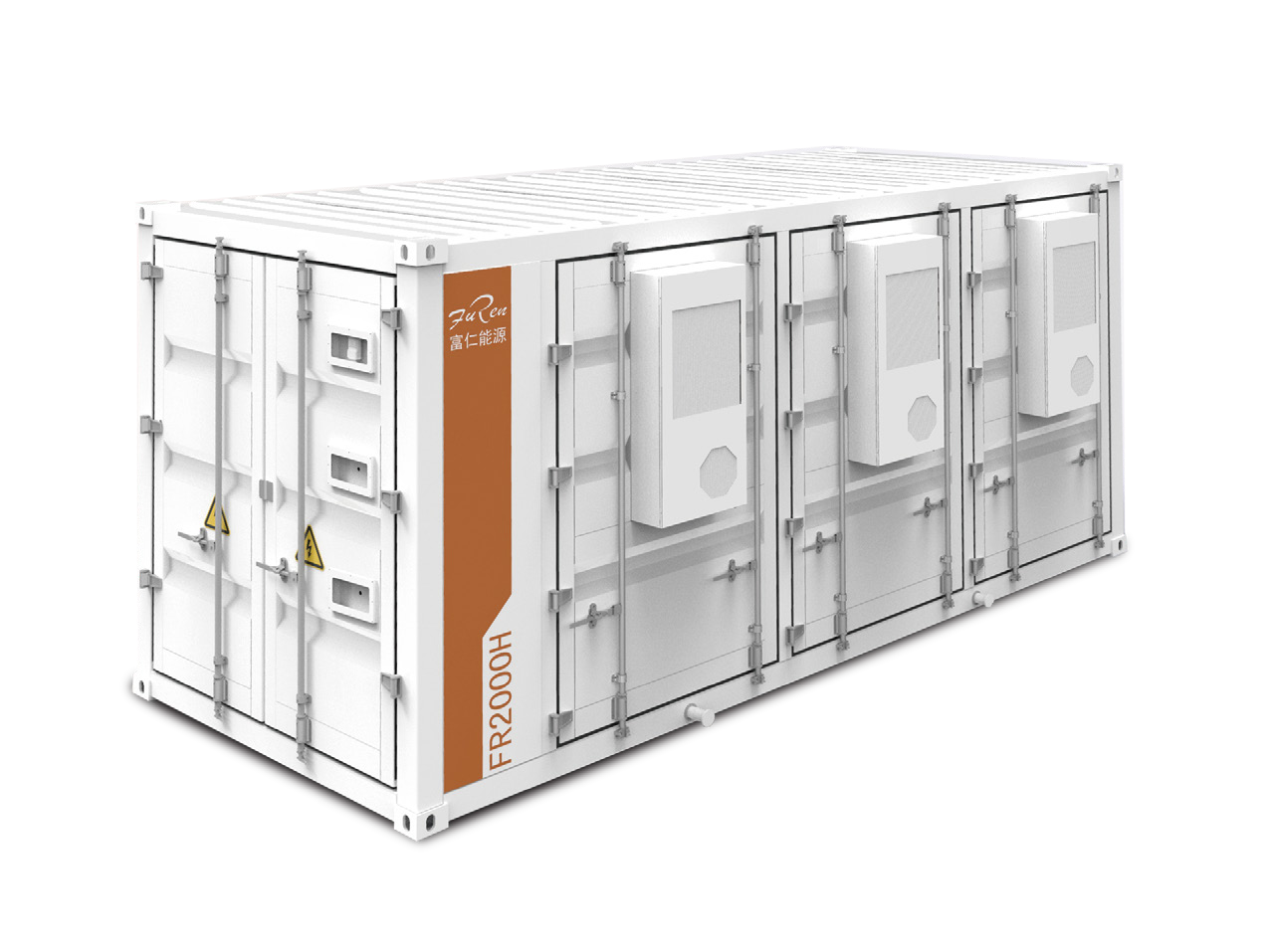
FR2000H 2.15MWh (Air-cooled) 20-foot Containerized Energy Storage System
Jiangyin Furen High-tech Co., Ltd.