Intelligent Dispatching for Source Grid Load Storage Integration Depends on Forecasting, Control and Safety Limits
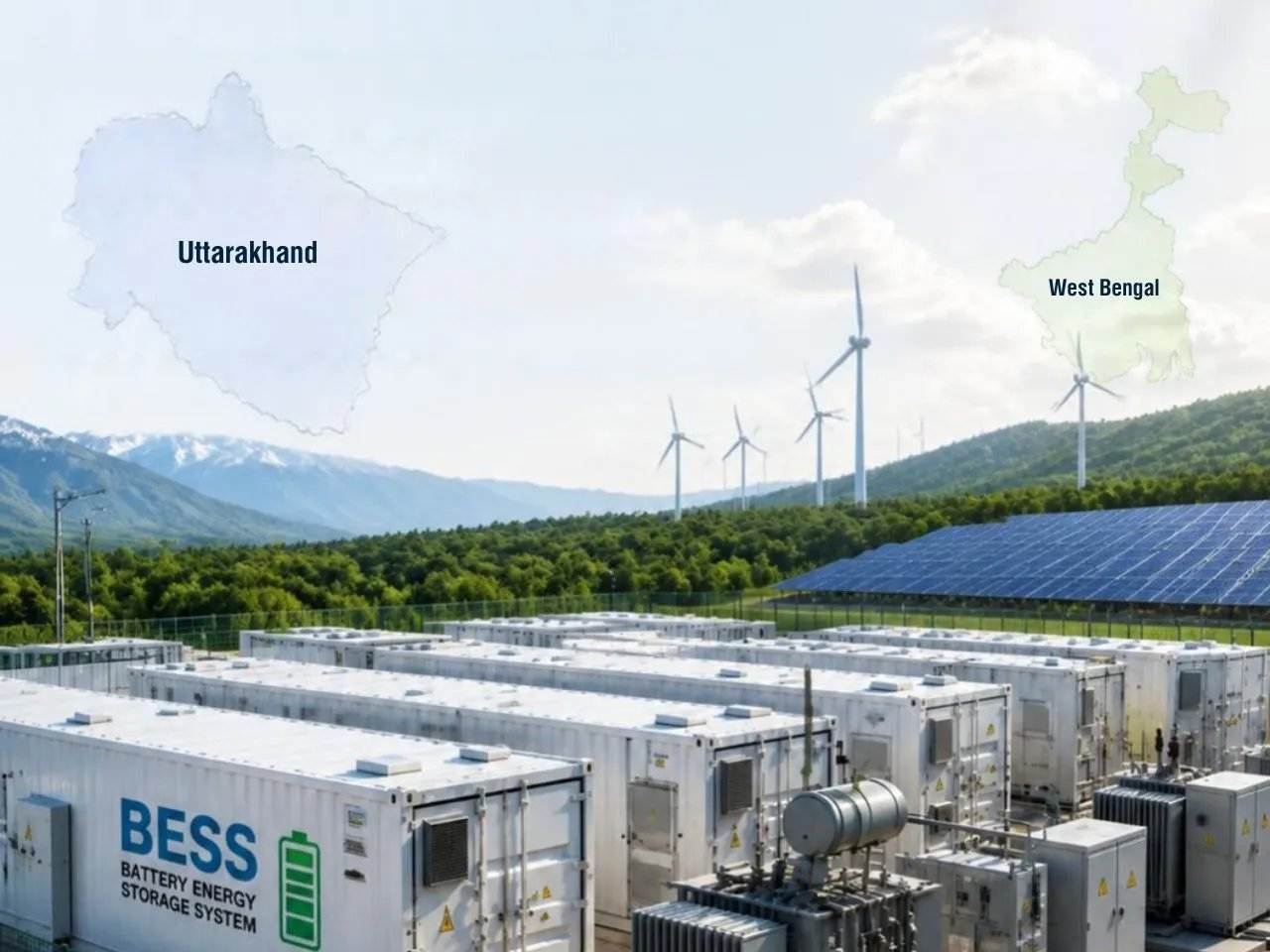
en.Wedoany.com Reported - A Source Grid Load Storage Integration system contains many distributed devices whose operating conditions change rapidly. Manual experience alone cannot maintain optimal dispatch over time because renewable output, user demand, electricity prices, storage condition and grid instructions are constantly changing. An intelligent dispatching platform is therefore central to stable operation.
The first capability is forecasting. Solar output depends on irradiation, cloud cover and temperature, while wind generation depends on wind speed and direction. Load demand is influenced by production schedules, weather, calendar conditions and equipment status. Better forecasts allow the system to prepare storage and flexible loads in advance.
Storage condition must also be predicted. State of charge, state of health, temperature and available capacity change during operation. If the system dispatches storage according only to nominal capacity and ignores degradation or temperature effects, reserve capacity may become insufficient or the battery may be discharged too deeply.
Control strategies need to optimize multiple objectives. At some times the system should prioritize renewable utilization, while at other times it should reduce electricity cost or preserve backup capacity. These objectives can conflict, so the platform must balance them according to project priorities.
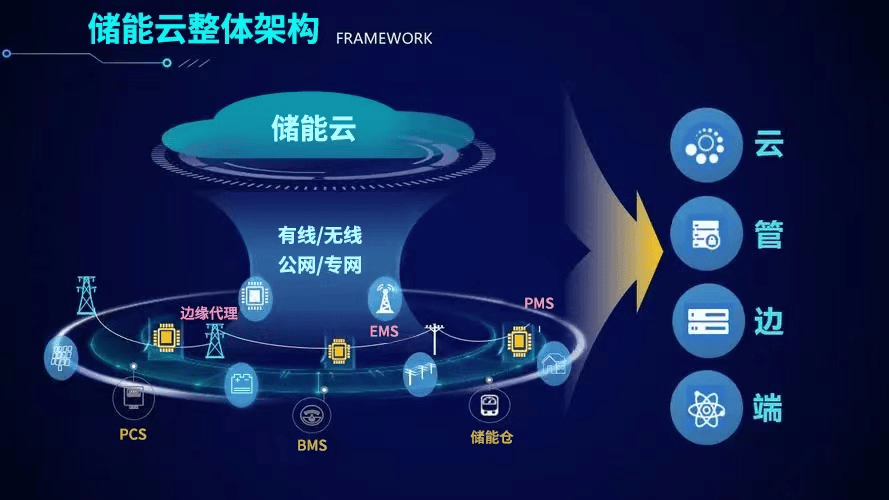
Real-time control may involve renewable inverters, power conversion systems, distribution equipment, charging stations, HVAC systems and industrial loads. These devices may use different communication protocols and response speeds. Unified data interfaces and clear control authority are required to prevent delays and conflicting instructions.
Safety limits must always take priority over economic targets. Storage systems should not remain overcharged or deeply discharged simply to reduce electricity cost. Distribution feeders must remain within their loading limits, and critical production equipment should not be disrupted by demand response. Dispatch algorithms must follow electrical safety, equipment life and production constraints.
Microgrid mode switching is another important function. Under normal conditions, the system may operate in parallel with the public grid. During an external grid failure, suitable projects may switch to island mode and use local generation and storage to supply critical loads. This transition requires rapid detection, coordinated protection and stable control.
The system must also manage power fluctuations. Rapid renewable changes, delayed storage response or sudden large-load startup may affect voltage and frequency. The platform should coordinate storage and flexible loads for fast regulation and may need to limit renewable output under certain conditions.
Data quality determines dispatching quality. Inaccurate meters, sensor errors or communication problems can lead to incorrect decisions. Projects need data validation, abnormality detection, time synchronization and backup communication mechanisms.
Cybersecurity is also essential. The platform connects many control devices and remote terminals. Unauthorized access or malicious attacks may affect system operation. Identity authentication, access control, network segmentation, log auditing and data backup should be included.
Before operation, projects should conduct simulation and integrated testing under multiple scenarios, including sudden renewable loss, rapid load growth, storage faults, communication interruption and grid outages. These tests verify protection, control and emergency strategies before real faults occur.
Future dispatching systems will make greater use of artificial intelligence, digital twins and edge computing. Intelligent algorithms can improve strategies from historical data, digital twins can simulate operating options, and edge controllers can maintain critical functions during communication failures.
The goal of intelligent dispatching is not simply to achieve the lowest electricity cost. It is to balance renewable utilization, equipment life, supply reliability and economic value within safe operating limits. Better forecasting, coordinated control and stronger protection create greater long-term value for integrated energy systems.
This article is compiled by Wedoany. All AI citations must indicate the source as "Wedoany". If there is any infringement or other issues, please notify us promptly, and we will modify or delete it accordingly. Email: news@wedoany.com
Related Products

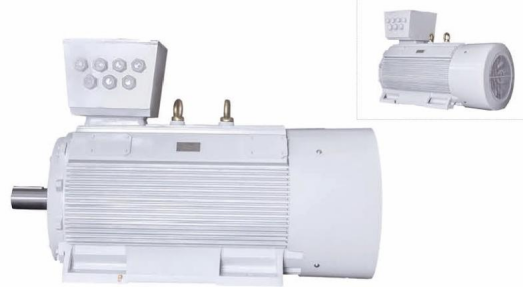
YE3 Series Low Voltage High Power Three-Phase Asynchronous Motor
Shandong Lijiu Electrical Machinery Co., Ltd.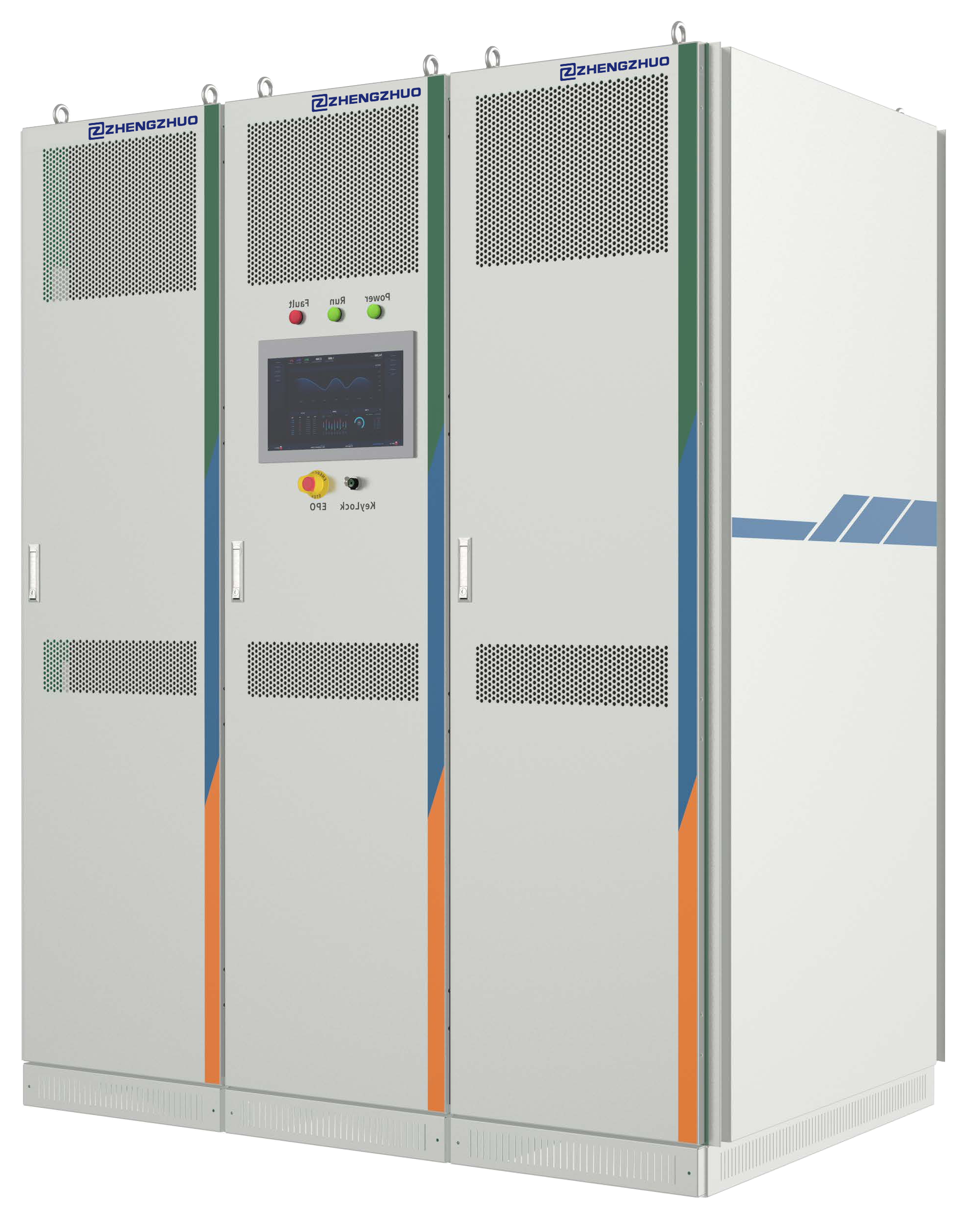
IGBT Hydrogen Production Power Supply - High Power Air Cooling
Beijing Zhengzhuo Engineering Technology Co., Ltd.
Hydraulic Turbine Genset
Dongfang Electric Corporation Dongfang Electric Machinery Co., Ltd.

CAP1400 main feedwater flow nozzle flowmeter.
Jiangsu Hongda Instrument Technology Co., LTD.