en.Wedoany.com Reported - A nationwide afforestation program in Bangladesh is expected to generate nearly $1 billion annually through carbon credit sales. Officially launched by Prime Minister Tarique Rahman on June 13, the plan aims to plant 250 million trees over the next five years, strengthening environmental protection and combating the adverse effects of climate change.
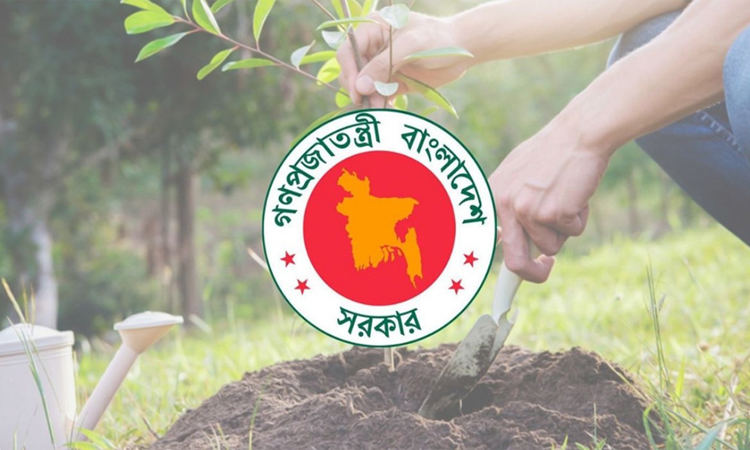
A government document titled "Climate Financing Budget Report" highlights that a key feature of this five-year plan is its potential to generate carbon credits through large-scale afforestation. Under international carbon credit mechanisms, designated planting areas must be registered and reported to relevant international bodies and participating countries in advance. The report states that by promoting carbon sequestration and reducing net greenhouse gas emissions, the plan can produce tradable carbon credits, yielding financial returns. The World Bank estimates that, if successfully implemented, the sale of carbon credits from planting activities alone could generate nearly $1 billion annually for Bangladesh.
Beyond economic benefits, the plan is expected to deliver significant environmental advantages, including lower temperatures, improved rainfall patterns, enhanced soil quality, and greater ecosystem resilience. The report describes the initiative as a unique opportunity to advance sustainable development and climate action, opening new avenues for green economic growth.
Global carbon pricing revenue reached $107 billion in 2025, an increase of approximately 2% in real terms compared to 2024. The current market size is estimated at $250 billion, projected to grow to $1 trillion by 2050, with the private sector becoming the primary source of investment in this field. The report emphasizes that countries must demonstrate tangible project implementation to attract more investment.
Given that Bangladesh has one of the lowest per capita greenhouse gas emissions globally, the report suggests that if carbon reduction plans are well-structured and effectively executed, the country could generate substantial annual revenue from global carbon trading. However, Bangladesh is not yet fully equipped to participate in international carbon markets. Key gaps include limited technical knowledge of Article 6 mechanisms under the Paris Agreement, inadequate legal and regulatory frameworks for carbon credit issuance and trading, and insufficient capacity in both the private and public sectors for monitoring, reporting, and verification (MRV) and project certification. The report notes that addressing these gaps through regulatory reforms, capacity building, and institutional investment is a strategic priority for unlocking carbon finance, making it a vital component of Bangladesh's climate financing portfolio.
One carbon credit represents one ton of carbon dioxide or its greenhouse gas equivalent that has been verified as reduced, removed, or avoided. Carbon credits are generated through mitigation activities such as renewable energy, energy efficiency, afforestation, and methane capture, and can be traded in compliance or voluntary carbon markets. These mechanisms allow governments, companies, and institutions to offset their emissions by purchasing verified emission reductions from other entities, thereby creating economic incentives for low-carbon investments. They operate under international frameworks, including Article 6 of the Paris Agreement and voluntary standards requiring robust MRV systems.
Bangladesh has early experience in the carbon market. In 2006, Infrastructure Development Company Limited (IDCOL) registered Bangladesh's first Clean Development Mechanism (CDM) project with the United Nations Framework Convention on Climate Change (UNFCCC). Since then, IDCOL has sold 2.53 million carbon credits, generating $16.25 million (approximately 1.7 billion taka at current exchange rates) from projects such as solar home systems and improved cookstoves. This track record demonstrates Bangladesh's technical capacity in carbon project development and lays the foundation for expanding its participation in the carbon market.
This article is compiled by Wedoany. All AI citations must indicate the source as "Wedoany". If there is any infringement or other issues, please notify us promptly, and we will modify or delete it accordingly. Email: news@wedoany.com