en.Wedoany.com Reported - Western University, in collaboration with the German Fraunhofer Institute for Silicate Research (Fraunhofer ISC), is investigating the use of biochar derived from the pyrolysis of forestry waste as an additive in sheet molding compound (SMC) composites. Researchers evaluated the impact of this pyrolysis product on the performance of molded parts.
The partners formulated the composite using unsaturated polyester resin, combined with glass fiber reinforcement, calcium carbonate, aluminum trihydrate (ATH) flame retardant, zinc stearate (internal mold release agent), and forestry waste biochar. The Fraunhofer Innovation Platform for Composites Research at Western University processed the SMC composite via compression molding. Test results showed that the biochar-filled formulation outperformed the control group without biochar in terms of specific strength and specific modulus. The biochar formulation had lower density, while other mechanical properties such as impact strength and modulus were largely comparable.
The biochar-containing formulation exhibited deficiencies in flame retardancy: the test samples failed to meet the UL 94 classification standard, with the entire sample sustaining combustion. The control formulation achieved a V0 rating at approximately 3 mm thickness. Researchers have prioritized experimental melamine pyrophosphate (MPP) and ammonium polyphosphate (APP) flame retardant additives, which may exhibit synergistic effects with biochar.
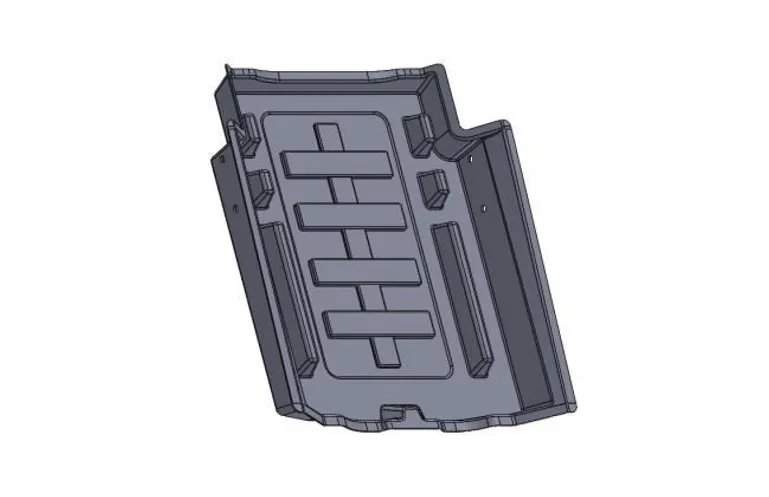
Western University produced a prototype General Motors seat back component to evaluate the feasibility of this bio-based SMC composite in such applications. A single seat back weighing 1807 grams can sequester 106 grams of carbon. Researchers noted that a typical seat assembly contains four similarly sized geometries, and a single vehicle typically has four seats. Applied to this component, this would mean approximately 2 kilograms of carbon sequestered per vehicle. The study is based on a presentation by Eric Martin, a research engineer at the Fraunhofer Innovation Platform for Composites Research at Western University, at the Society of Plastics Engineers (SPE) Thermoset TOPCON 2026 conference.
This article is compiled by Wedoany. All AI citations must indicate the source as "Wedoany". If there is any infringement or other issues, please notify us promptly, and we will modify or delete it accordingly. Email: news@wedoany.com