en.Wedoany.com Reported - An international research team comprising Linköping University (Sweden), the University of Potsdam (Germany), and the Paul Drude Institute (Berlin) has uncovered a hidden mechanism limiting the performance of organic solar cells, potentially helping the technology break through the 20% efficiency barrier.
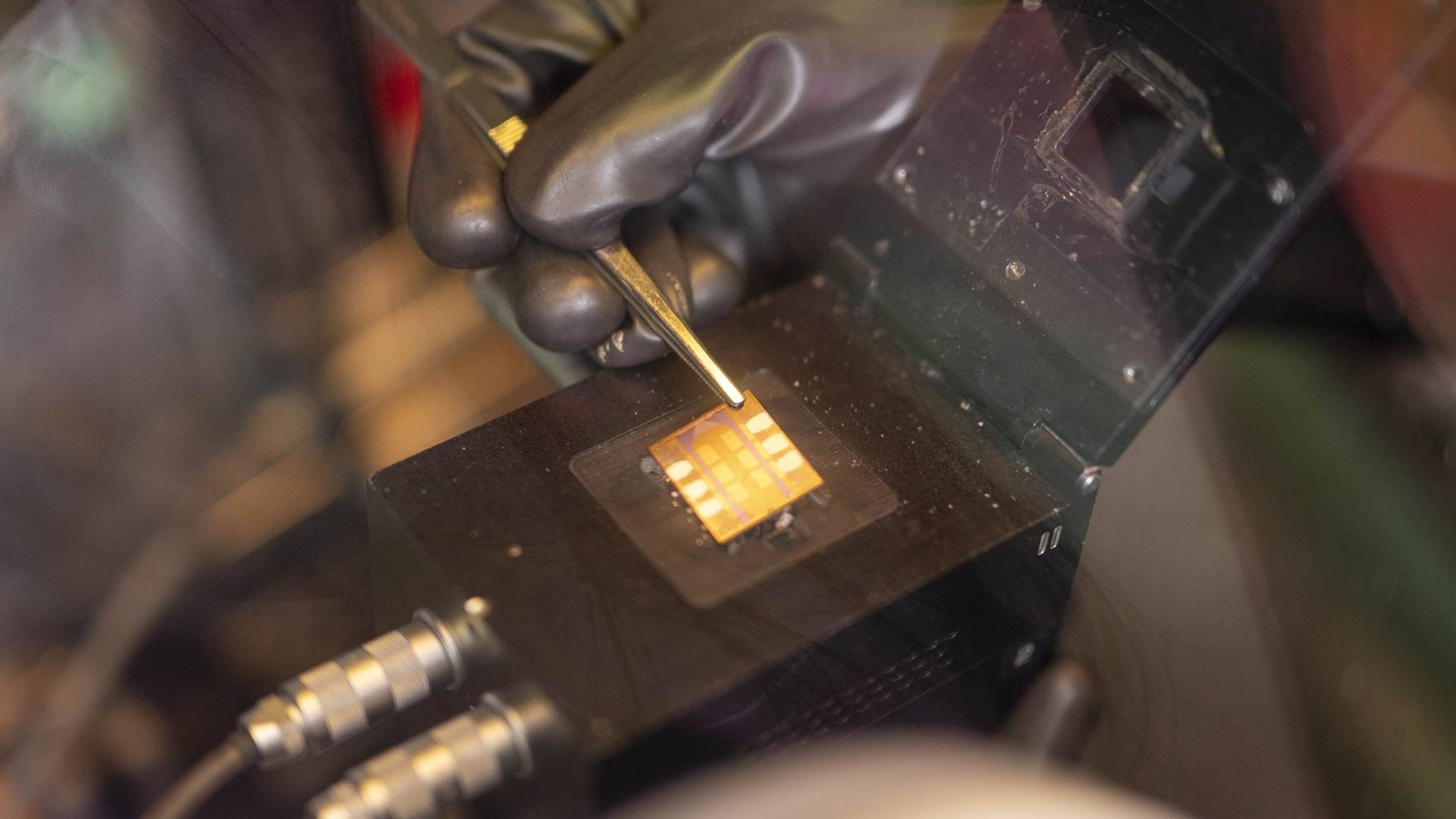
Organic photovoltaic solar cells are manufactured using Earth-abundant materials with low energy consumption, offering the potential to generate electricity at a lower cost than the first two generations of solar technology. The performance of solar cells is determined by three factors: short-circuit current, open-circuit voltage, and fill factor. However, improving one of these parameters often comes at the expense of another.
Researchers have long faced a trade-off in the field of organic solar cells: efforts to increase open-circuit voltage often lead to a decrease in fill factor, and vice versa. As organic solar cell efficiency climbs above 20%, this contradiction becomes increasingly difficult to overcome. Dr. Dieter Neher from the University of Potsdam, Dr. Feng Gao from Linköping University, and Dr. Safa Shoaee from the Paul Drude Institute for Solid State Electronics collaborated to investigate the root cause.

The research team, in collaboration with other experts in the field, analyzed why the efficiency improvement of organic solar cells slows down at higher levels. The results show that under specific conditions, the generation of free charges in the active layer of the cell heavily depends on the electric field within the organic semiconductor material. Professor Neher, a physicist at the University of Potsdam, noted that this leads to a previously underappreciated limitation on fill factor, which becomes particularly critical when minimizing voltage losses is required.
When sunlight hits an organic solar cell, it generates bound pairs (excitons) consisting of negatively charged electrons and positively charged holes. These excitons must first split into free charges that can generate electricity. By simulating the entire solar cell, the team discovered that exciton lifetime and the energy released during the charge transfer process are key determinants of fill factor under low voltage loss conditions. The team demonstrated that extending exciton lifetime can significantly alleviate this issue, and developed new organic material combinations for manufacturing solar cells that simultaneously achieve high fill factors and strong overall power output.
The researchers believe these findings provide general design principles for the future development of organic photovoltaic materials and device architectures. The study has been published in the journal Nature Photonics.
This article is compiled by Wedoany. All AI citations must indicate the source as "Wedoany". If there is any infringement or other issues, please notify us promptly, and we will modify or delete it accordingly. Email: news@wedoany.com