Anthropic Introduces Agent Identity Model for Claude Tag
en.Wedoany.com Reported - Anthropic has introduced an agent identity model for its AI assistant Claude Tag, designed for team collaboration in shared workspaces. This model grants Claude an independent identity, permissions, and tool access capabilities, configured by administrators and bound to workspaces or channels.
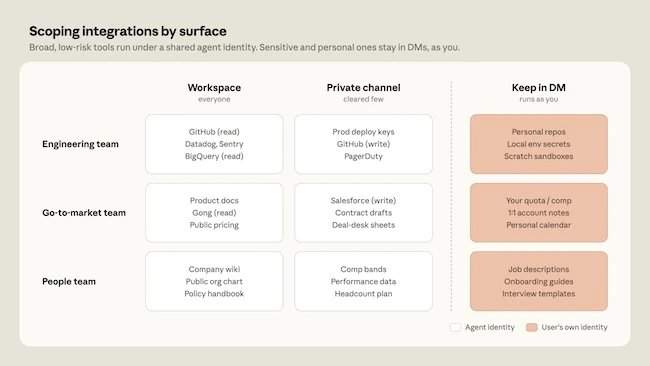
Since Claude does not rely on individual user credentials, its access permissions are separated from employee personal accounts, reducing the risk of exposing private documents through shared channels. Administrators assign Claude a dedicated identity with a default set of permissions, tools, and connections, which apply to the entire workspace and can be adjusted for individual channels. For example, in an engineering channel, Claude can be granted access to GitHub and data warehouses, while CRM connections may be limited to a private sales channel. Administrators control which code repositories Claude can access, which tools and API keys it can use, its skills and plugins, and any channel-specific instructions. Because Claude uses an independent identity, administrators can revoke all its permissions by disabling that identity, without needing to manage permissions across multiple user accounts. Noah Zweben, a member of the Claude Code team, explained that agent identity shifts the question from "What can this user do?" to "What can this agent do within this sandbox?" This differs from user-based access control lists: if a channel's configuration grants Claude permission to read a code repository, members of that channel—even those without direct access to the repository—can ask Claude to read it.
Anthropic describes agent identity as the foundation for access control in environments where AI agents collaborate with teams and interact with multiple systems. As administrators connect more tools and data sources, Claude Tag's capabilities expand, allowing it to combine information from connected tools and data sources to answer cross-system questions. Administrators can start with a baseline set of permissions, review audit logs, and grant additional permissions as needed, while maintaining oversight through the agent identity model. Organizations requiring stricter control can disable Claude Tag in specific channels or use role-based access control (RBAC) to limit which users can interact with Claude.
Claude Tag uses independent identities for private channels, while public channels share a workspace-wide identity, each with its own permissions and privileges. For example, Claude in a legal channel cannot access engineering resources, and Claude in an engineering channel cannot view legal documents (unless permissions have been granted). Information learned in private channels remains isolated and is not shared elsewhere in the workspace. By default, all members of a channel can use that channel's identity; administrators can further restrict identity permissions and, in enterprise plans, use RBAC to determine which users can interact with Claude.
When administrators connect tools to Claude, credentials are associated with the channel identity and used only when needed. Claude can only communicate with systems approved by administrators, and connections to unauthorized targets are blocked. All actions performed by Claude are logged, including tasks, memory updates, and network requests. Since Claude operates under its own identity, these actions are recorded in the logs of connected services, providing administrators with an audit trail. In direct messages, Claude operates under the user's personal claude.ai account and uses that user's connectors, credentials, and permissions. This model allows it to handle tasks and tools that should not be used in shared channels, such as email drafts or software authorized for individual users.
Zweben stated that Anthropic plans to add security controls that allow users to approve sensitive operations when needed, without permanently expanding Claude's permissions. The company intends to introduce identity-aware access control, combining Claude's permissions with those of the requesting user. Under this model, Claude can only perform an action if both the channel's permissions and the user's access permissions allow it.
This article is compiled by Wedoany. All AI citations must indicate the source as "Wedoany". If there is any infringement or other issues, please notify us promptly, and we will modify or delete it accordingly. Email: news@wedoany.com
Related Products
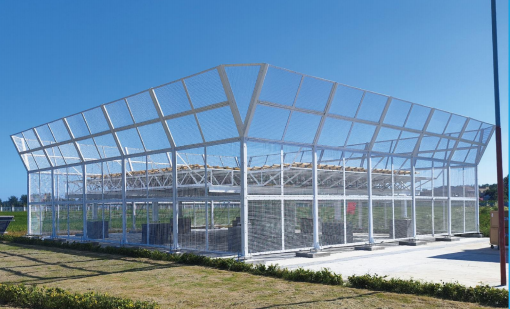

TWP16 P-Band Tropospheric Wind Profile Radar
China Huayun Meteorological Technology Group Co., Ltd.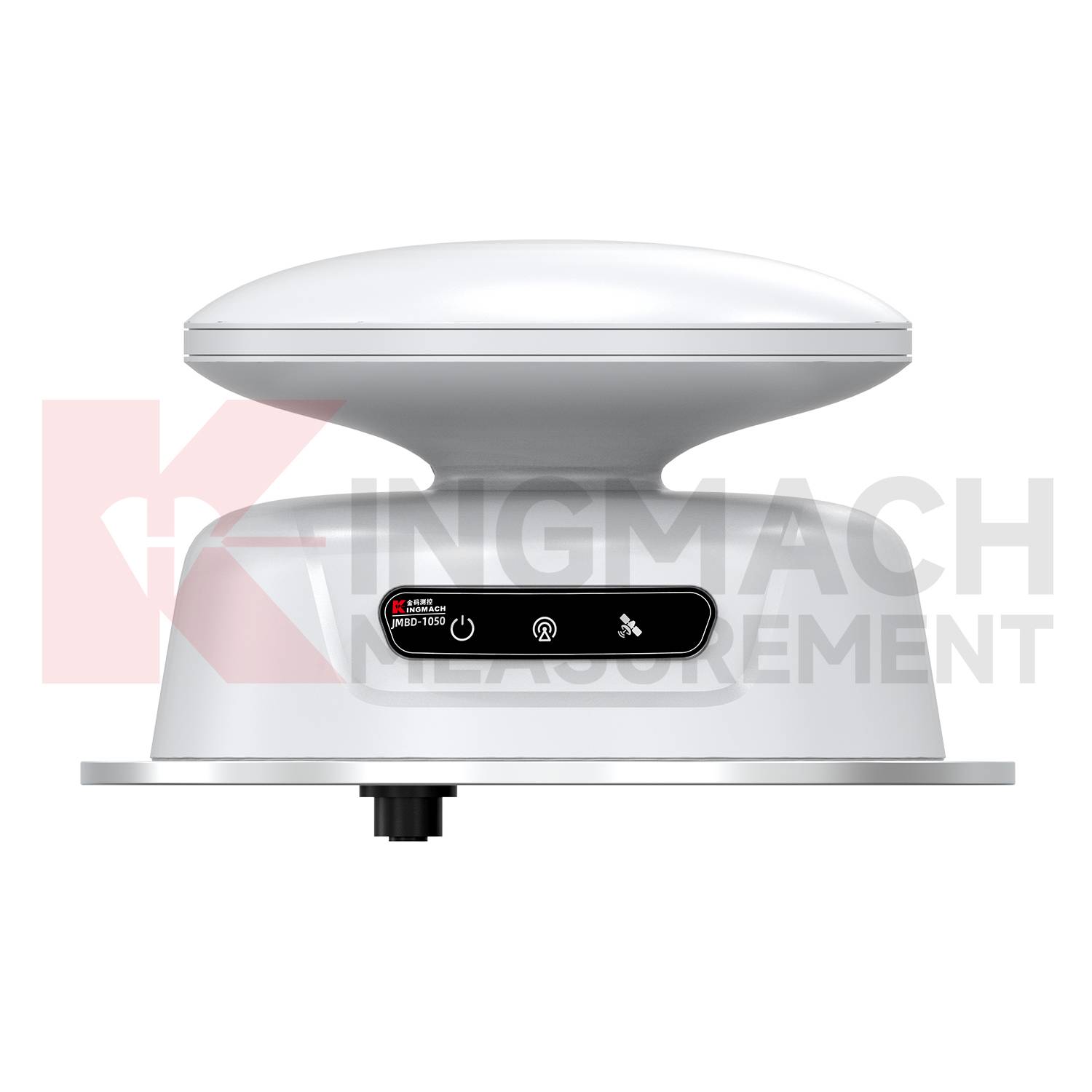

MUX Series Communication Interface Device for Security and Stability Control System
Nanjing NR Electric Co., Ltd.


Automatic Aiming Laser Remote Obstacle Removal Robot
Pinggao Group Weihai High-Voltage Apparatus Co., Ltd.
20 Inch 1600*900 Full HD 60Hz TFT LED Monitor with VGA and DP Interfaces for Desktop Computers-Business Use
Guangzhou Zanying Optoelectronics Technology Co., Ltd.

Industrial and Commercial Point-Type Gas Detector
Jinan Benan Technology Development Co., Ltd.