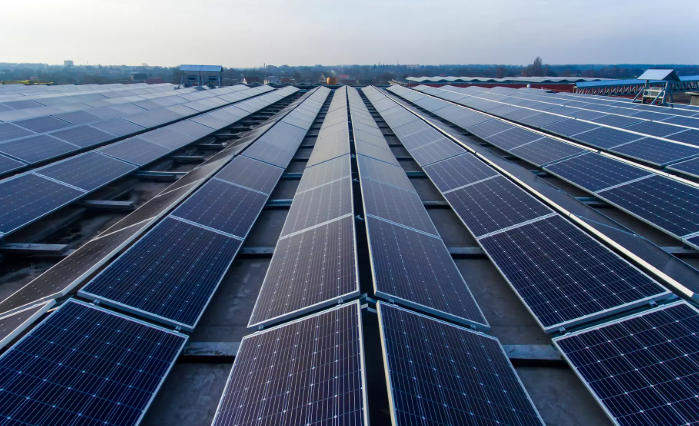
Andalusia Launches €50 Million Self-Consumption Project for Industrial Parks
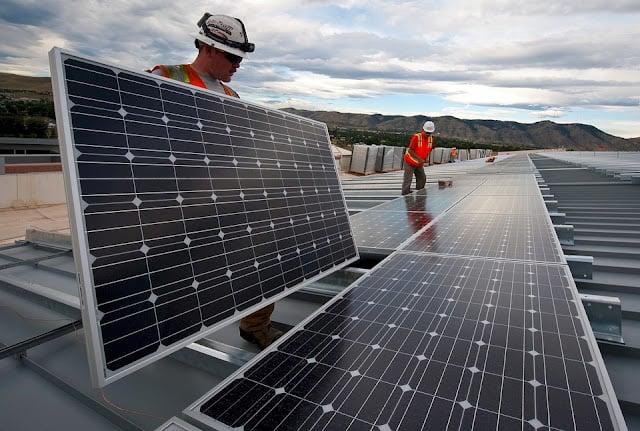
en.Wedoany.com Reported - Andalusia's industrial park modernization has received €50 million in funding, as part of the Comprehensive Incentive Plan for Competitiveness and Energy in Andalusia, implemented through the "Production Spaces" program. The first call for proposals has been published in the Official Gazette of the Andalusian Government, covering two funding lines.
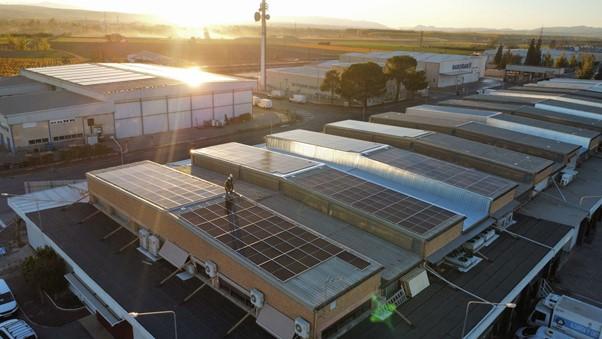
One line is allocated for infrastructure such as communications, access roads, pathways, surveillance systems, parking lots, and shared corporate spaces, with a budget of €8.32 million. The other line focuses on energy actions, managed by the Andalusian Energy Agency, with a budget of €41.68 million, covering energy efficiency, renewable energy self-consumption, behind-the-meter energy storage, smart grids, and electric vehicle charging infrastructure.
Funding applications have been fully open since June 16 and are processed entirely online.
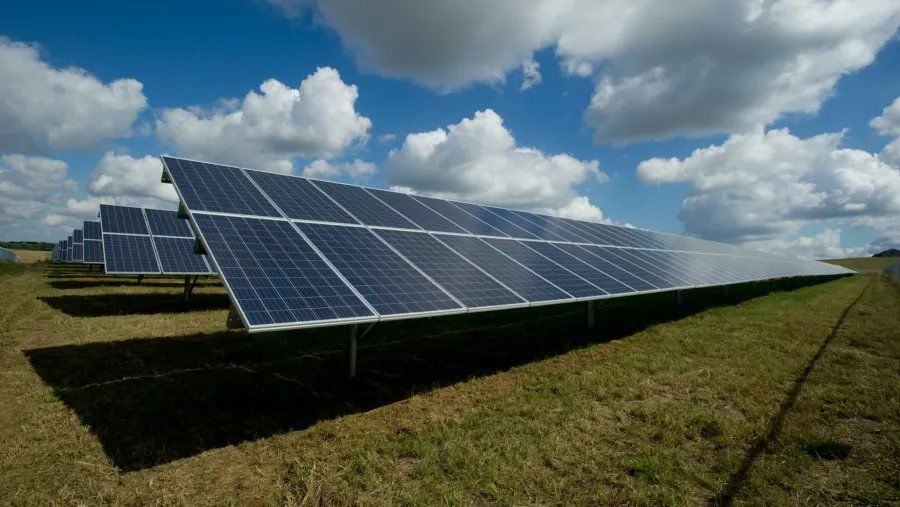
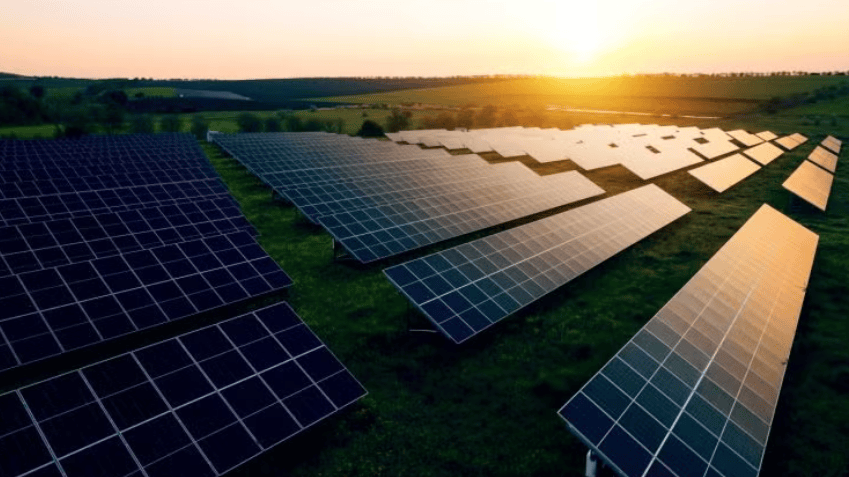
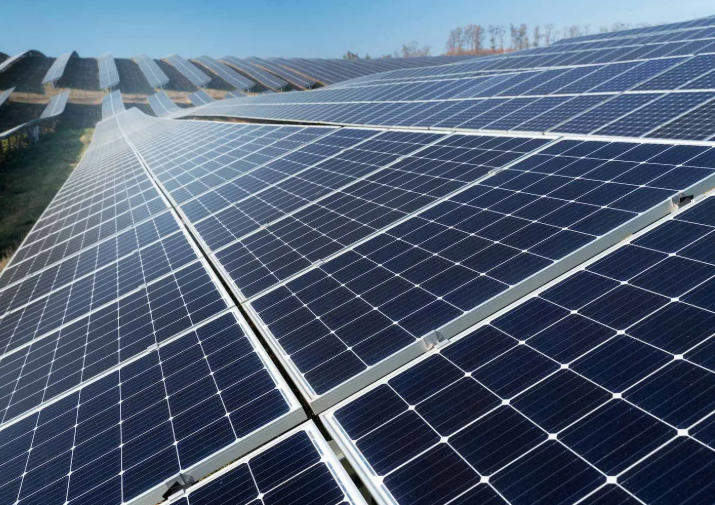
According to the detailed rules of the announcement, eligible actions include solar thermal energy, biomass, and photovoltaic power generation, where the electricity generated must be used for self-consumption in production processes or related buildings, with or without storage. Additionally, energy storage systems associated with renewable energy plants under 50 MW, as well as general charging points located within production spaces, are also supported. The base funding rate is set between 30% and 45%, with private enterprises eligible for up to 75% funding intensity depending on the type of action, company size, or project innovation, while public institutions can receive up to 100%.
In this context, Leandro Real, B2B Business Director at Quantica Renovables (founded in 2017), a solar engineering and photovoltaic self-consumption company, commented on the impact of the funding on Andalusian industry. He noted that well-designed self-consumption systems typically allow industrial SMEs with predominantly daytime electricity consumption to achieve a 20% to 40% reduction in electricity costs. If generation and consumption are highly matched or paired with appropriately sized batteries, the reduction could be even greater. He believes that self-consumption should be positioned as a strategic factor, not just a means of energy savings, because energy directly affects profit margins, planning capabilities, competitiveness, and exposure to market fluctuations.
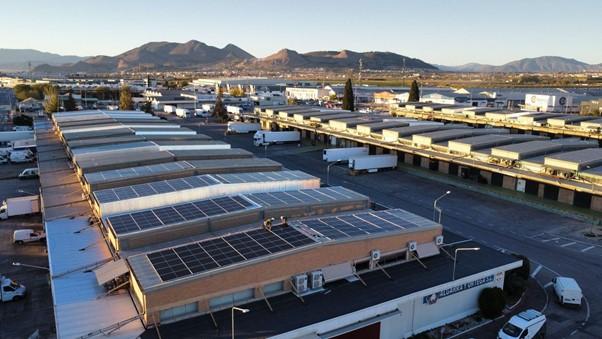
The announcement also supports the promotion of energy communities and collective models within industrial parks. In this regard, Real warned that although the relevant solutions are technically mature, organizational and administrative challenges remain prominent—issues such as who produces, who consumes, how energy is distributed, who manages the assets, how project funding is raised, who bears specific responsibilities, and how long-term decisions are made, once requiring coordination among multiple participants and extensive procedures, often make project duration and final outcomes unpredictable.
Regarding the funding rate, Real stated that a funding intensity of up to 75% can significantly alter the economic calculations of many industrial projects, shortening payback periods, improving expected returns, and reducing perceived risk, undoubtedly acting as an investment catalyst. However, he also cautioned that if the approval process is complex, resolution times are long, or outcomes are uncertain, or if companies struggle to determine which actions bring greater business value, even highly attractive subsidies may fail to achieve their intended effect.
To enhance the effectiveness of the program's implementation, Real suggested introducing a fast and binding technical and administrative pre-verification mechanism to reduce administrative uncertainty at an early stage. Under this mechanism, companies, industrial park management bodies, or energy communities could determine whether their projects meet the conditions, the available funding intensity, the requirements to be fulfilled, and the key issues to prioritize before formally initiating the process. He believes that the true opportunity of this call lies in expanding access to renewable energy, enabling more enterprises that lack the resources and infrastructure to implement projects independently to also benefit.
This article is compiled by Wedoany. All AI citations must indicate the source as "Wedoany". If there is any infringement or other issues, please notify us promptly, and we will modify or delete it accordingly. Email: news@wedoany.com
Related Products

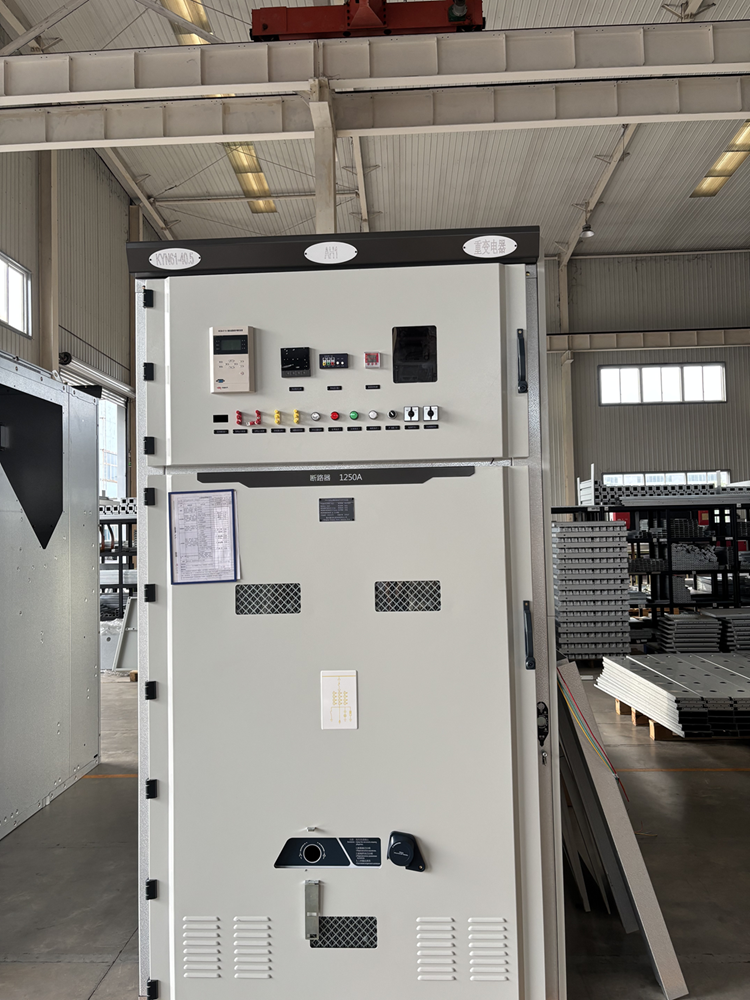
KYN61-40.5 Indoor AC Metal-clad Removable Switchgear
Chongqing Transformer Co., Ltd.
0.66kV Power Supply Instrument Transformer
Guangdong Sihui Instrument Transformer Works Co., Ltd.
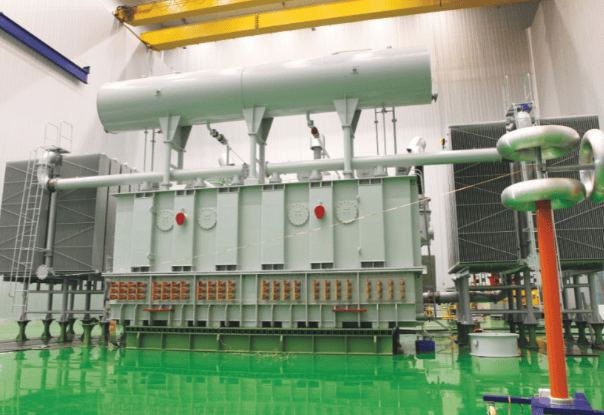
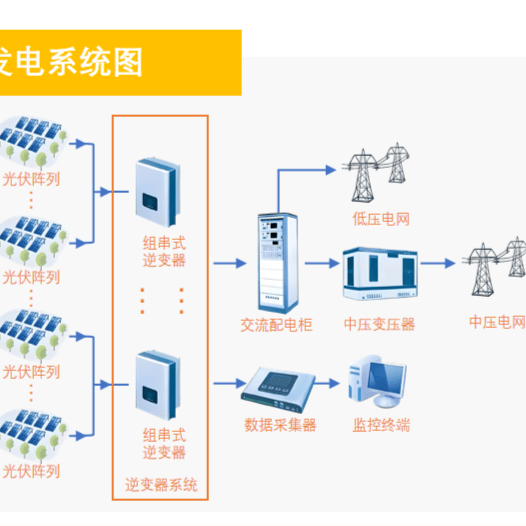
Photovoltaic and Wind Power Generation Technology
Beijing Boqi Electric Power SCI-TECH Co., Ltd.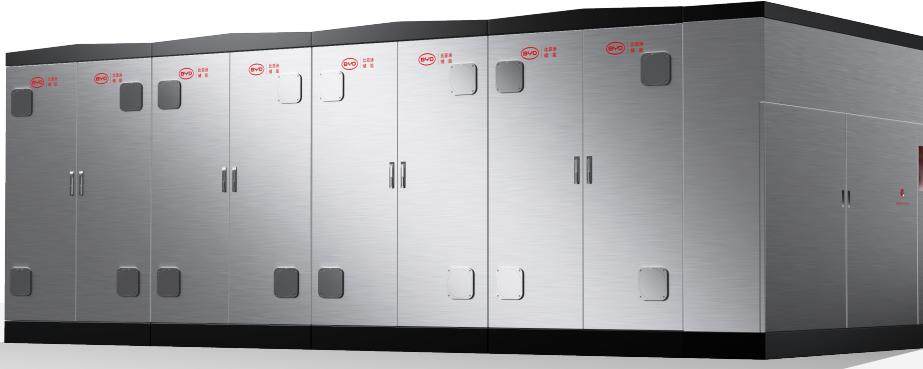
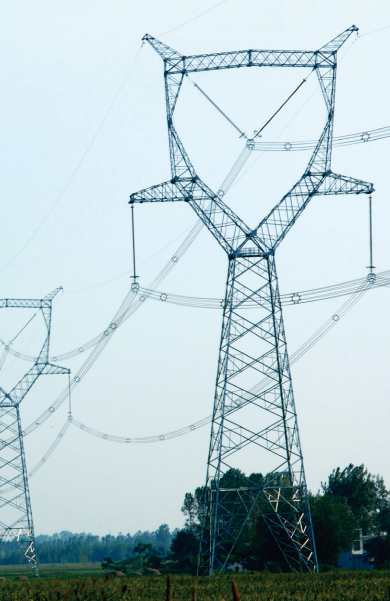
1000kV Jin Southeast-Nanyang-Jingmen UHV AC Transmission and Transformation Pilot Demonstration Project
Anhui Hongyuan Steel Tower Co., Ltd.
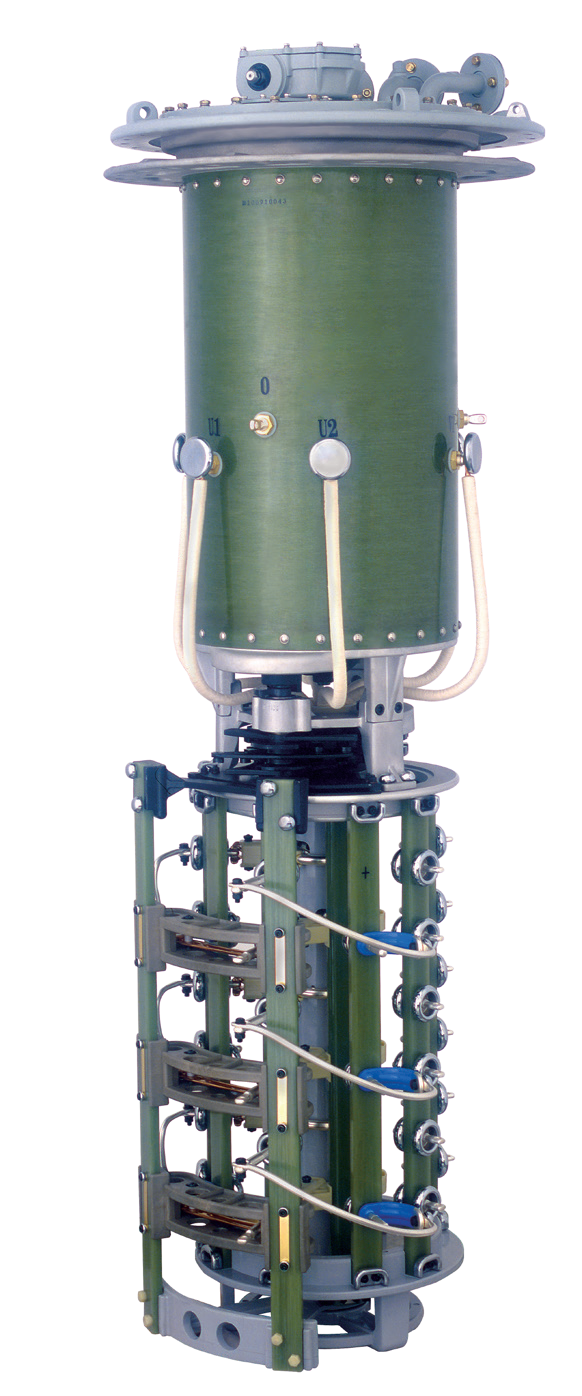
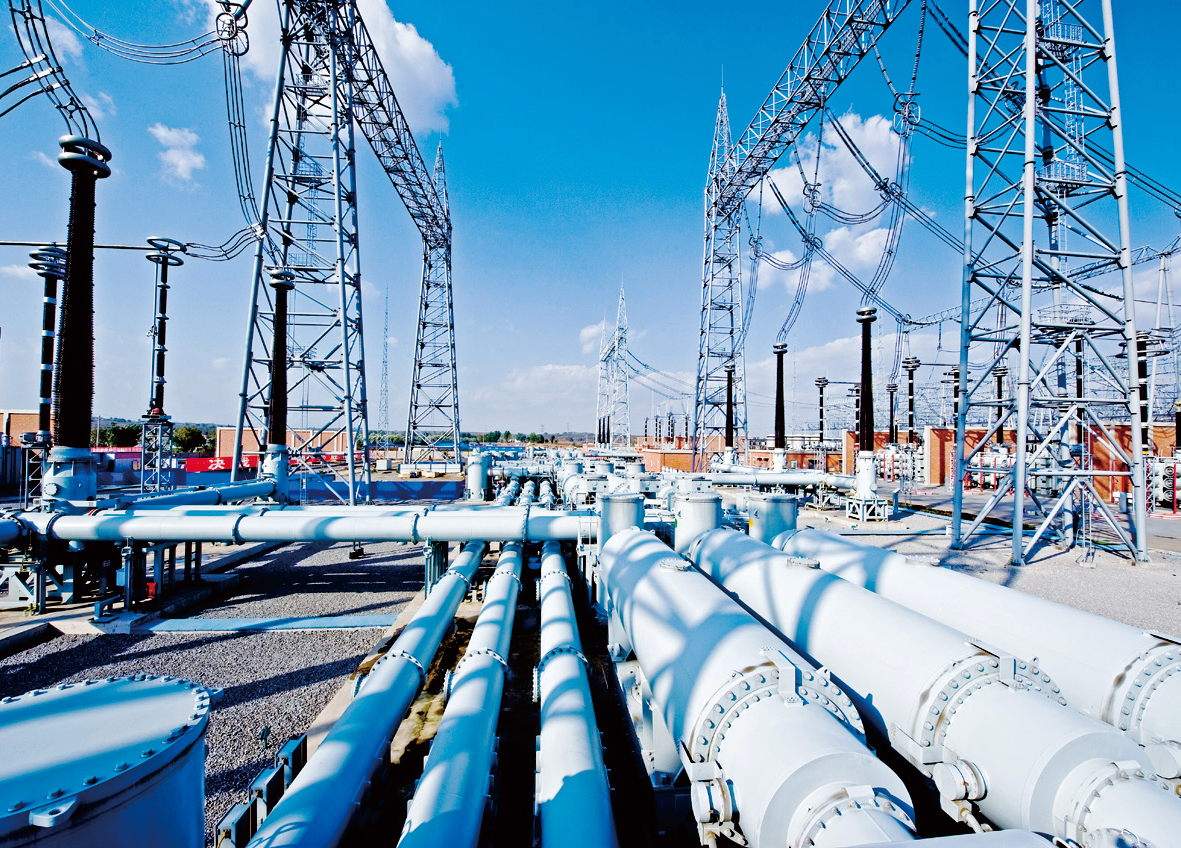
40.5kV-1100kV Gas Insulated Metal-Enclosed Switchgear (GIS)
Henan Pinggao Electric Co., Ltd.