Peru CONAMIN 2026 Study: Welders Exposed to UV-C Radiation 100-3000 Times Above Limits
en.Wedoany.com Reported - A study presented by Luis Lasanta Béjar of NAGO Consultores at the 2026 National Mining Congress (CONAMIN 2026) in Peru reveals that artificial UV-C radiation generated during welding processes remains largely unaddressed by prevention measures and regulations in the country, with welder exposure levels far exceeding safety limits. The study, which won an award in occupational safety and health, indicates that welders in the mining, construction, and metalworking industries are exposed to a highly damaging form of energy distinct from sunlight, directly affecting the skin and eyes.
The study emphasizes that UV-C radiation from arc welding has been classified as a Group 1 human carcinogen by the International Agency for Research on Cancer (IARC), due to its high photon energy capable of damaging cellular DNA and causing deep tissue harm. Field measurements found that in common welding processes such as SMAW and GMAW, radiation levels exceed the maximum permissible limits (LMP) by 100 to 3,000 times. Without protection, the maximum safe exposure time per workday ranges from just 0.3 seconds to 67 seconds, meaning that workers passing through welding areas without proper equipment can reach the maximum permissible dose in the blink of an eye.
The damage from UV-C is cumulative. The study concludes that working as a welder for over 20 years increases the risk of skin cancer (basal cell carcinoma) in areas such as the head and neck by 2.5 times. The neck is the most vulnerable area, as it receives up to 40% of reflected radiation from work surfaces and is typically unprotected by traditional personal protective equipment (PPE).
The study also reveals a false sense of security among supervisors: 67% of supervisors do not use eye protection when inspecting welding areas, believing exposure times are short. However, the maximum permissible limit can be exceeded in milliseconds, and these brief inspections are sufficient to cause long-term damage. At the institutional level, there is a critical gap in Peruvian regulations—laws exist to prevent solar radiation, but artificial UV radiation from industrial processes is overlooked, resulting in a lack of specialized skin monitoring programs for welders and skin cancer not being recognized as an occupational disease.
Despite the severity of the situation, the study confirms that personal protective equipment (auto-darkening welding helmets, flame-resistant clothing, and leather gloves) is highly effective, reducing radiation doses by over 95% when used correctly. However, 12% of welders still report eye exposure due to seal defects or improper use of the helmet. Priority recommendations from the study include: regular monitoring of UV irradiance in occupational health programs; updating the list of occupational diseases to include skin cancer caused by artificial UV radiation; implementing annual skin monitoring for individuals who have worked as welders for over 10 years; and strengthening training on the use of neck protectors and proper helmet sealing.
The NAGO Consultores study also involved contributions from experts Bernard Gonzales and Linet Gonzales Caytuiro.
This article is compiled by Wedoany. All AI citations must indicate the source as "Wedoany". If there is any infringement or other issues, please notify us promptly, and we will modify or delete it accordingly. Email: news@wedoany.com
Related Products

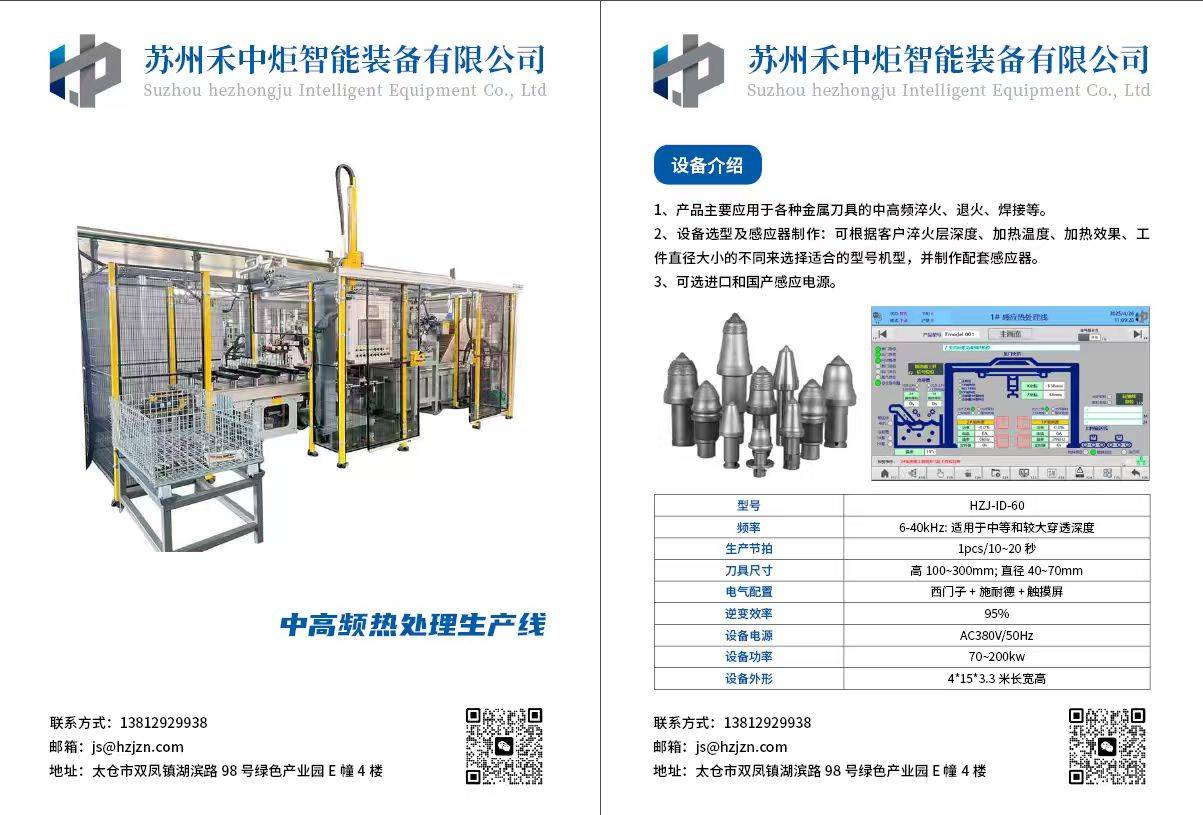
Excavator Bucket Teeth Heat Treatment Production Line
Suzhou Hezhongju Intelligent Equipment Co., Ltd.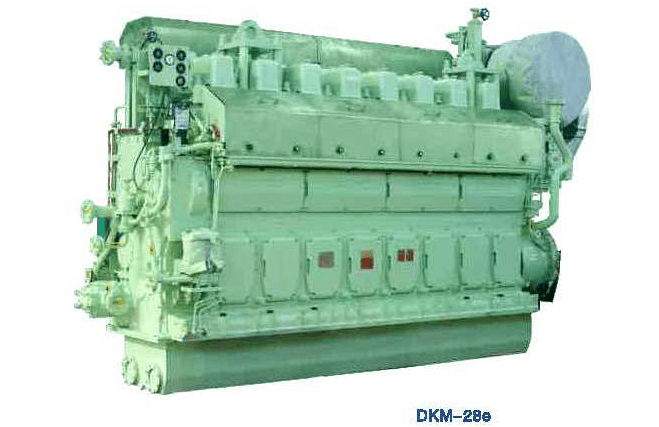

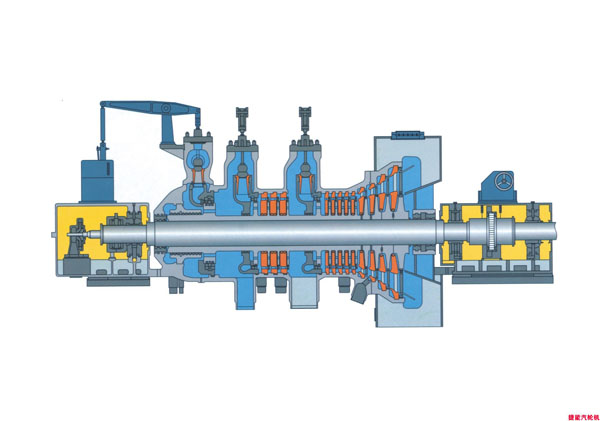
Standard Nozzle Flowmeter
Jinggong Automatic Control Instrument Complete Technology Development Company
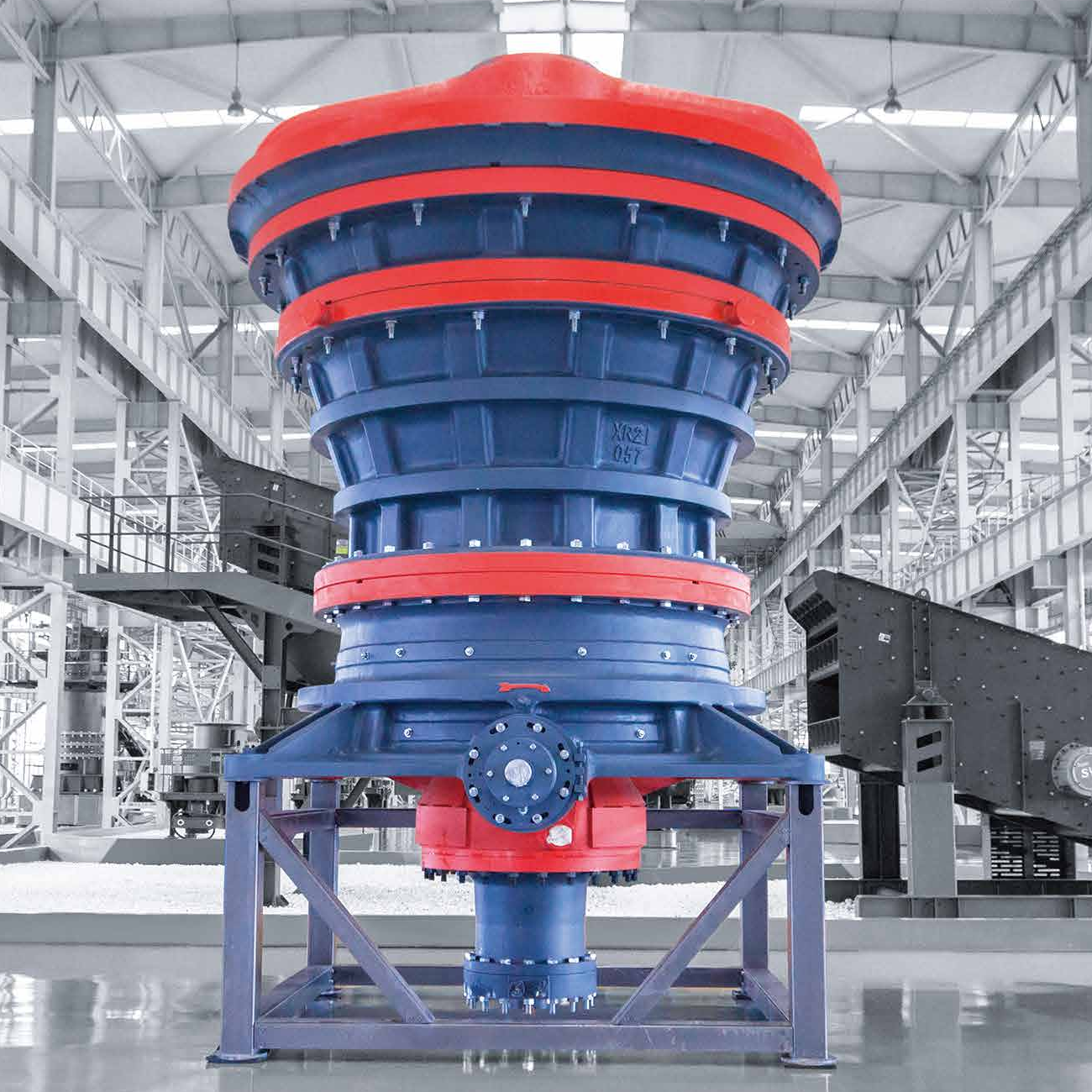
LBH4000 Batch Environmental Protection Asphalt Mixing Plant | Asphalt Batching Plant | Asphalt Mixing Plant
Jilin Province Road Construction Machinery Co., Ltd.

Industrial and Commercial Point-Type Gas Detector
Jinan Benan Technology Development Co., Ltd.