UK Signs Hundreds of Millions of Pounds in Laser Weapon Contracts to Counter Drone Threats
en.Wedoany.com Reported - Multiple countries are racing to deploy high-power laser weapon systems to address the air defense challenges posed by inexpensive drones. The UK, Germany, France, and India have advanced related projects, aiming to shoot down aerial targets at extremely low cost from several kilometers away.
The widespread use of cheap drones has upended traditional air defense logic. These small drones, costing only a few hundred dollars each, can attack in swarms, making interceptor missiles that cost millions of dollars economically unsustainable. High-power laser weapons have emerged as a solution; as long as there is a power supply, their ammunition never runs out, they can hit targets at the speed of light, and each shot costs only a few dollars.
Israel took the lead by deploying a high-power laser system called "Iron Beam" to shoot down drones, rockets, and mortar shells. This has prompted other countries to follow suit.
A laser shot primarily consumes electricity, costing only a few dollars, whereas an interceptor missile costs as much as a luxury car or even more. When facing a drone swarm attack, a side relying on missiles would exhaust its budget before repelling the assault.
Laser weapons also have physical limitations; they lose power in rain, fog, and dust, requiring precise targeting systems and robust onboard energy sources. However, for small and medium-sized drones flying several kilometers away, they offer the most cost-effective solution currently available.
In the UK, the "DragonFire" project has moved from the testing phase to actual contracts. UK-based MBDA has signed an agreement worth hundreds of millions of pounds to deliver the system to the Navy and Army. Previously, the system demonstrated the ability to shoot down aerial targets from a Wolfhound armored vehicle, and its deployment timeline has been accelerated compared to original plans.
Germany is developing a naval laser system in collaboration with Rheinmetall, with plans for deployment in the coming years, having previously completed beam tests on a frigate. France has formed its own national industrial consortium. India's defense research agency tested a 30-kilowatt laser capable of destroying drones and small aircraft at a distance of approximately five kilometers.
Recent conflicts have intensified the demand for such weapons. In the Ukraine war and Red Sea attacks, drones worth thousands of dollars have forced defenders to expend expensive interceptor missiles, an exchange that is economically unsustainable over the long term. The United States is also actively involved, installing systems like HELIOS on warships and testing laser systems with power levels of 300 kilowatts or higher for the Army, with enough energy to expand from targeting small drones to aiming at missiles and rockets.
The core goal of all these projects is to transform anti-drone defense into a sustainable expenditure. Countries that rely solely on missiles to intercept swarms are losing the economic battle even when winning the fight. Lasers have the potential to reverse this situation.
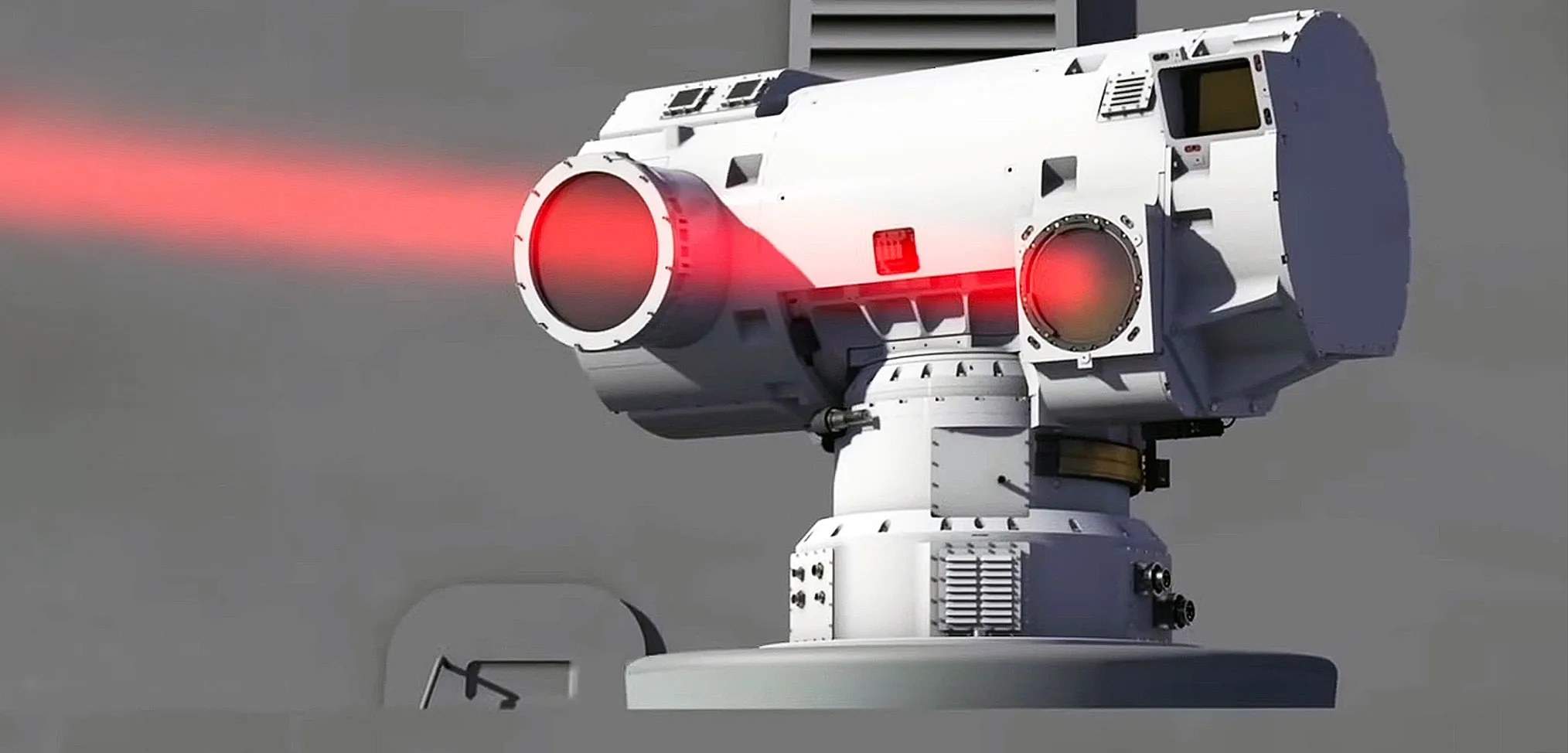
The current turning point lies in mass production. Transitioning from prototypes and demonstration phases to deploying hundreds of systems on ships, bases, and vehicles is the key to distinguishing promise from reality. Countries that master serial production will determine the method of low-altitude defense over the next decade. Israel has opened the door, European nations are rapidly following suit, and India has proven that middle powers can also reach the same level. The next focus is no longer on inventing the laser itself, but on mass-producing and reducing costs so that it can be deployed wherever drones might appear, from warship decks to the tops of moving armored vehicles.
This article is compiled by Wedoany. All AI citations must indicate the source as "Wedoany". If there is any infringement or other issues, please notify us promptly, and we will modify or delete it accordingly. Email: news@wedoany.com
Related Products


Excavator Bucket Teeth Heat Treatment Production Line
Suzhou Hezhongju Intelligent Equipment Co., Ltd.


Industrial and Commercial Point-Type Gas Detector
Jinan Benan Technology Development Co., Ltd.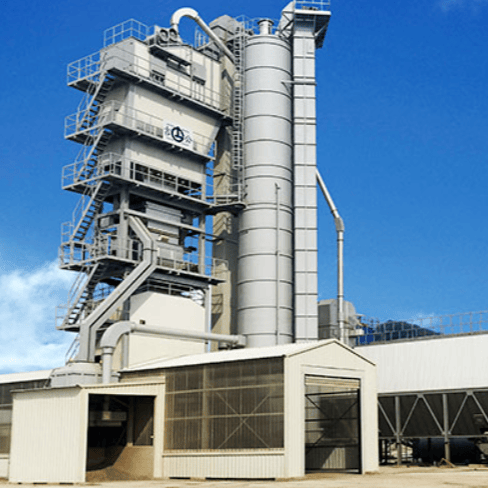
LBH4000 Batch Environmental Protection Asphalt Mixing Plant | Asphalt Batching Plant | Asphalt Mixing Plant
Jilin Province Road Construction Machinery Co., Ltd.
Pneumatic high-pressure wear-resistant ball valve
Zhejiang Deca Control Valve Meter Co., Ltd.