Market research firm Interact Analysis reports: Global industrial robot shipments to reach 760,000 units by 2030
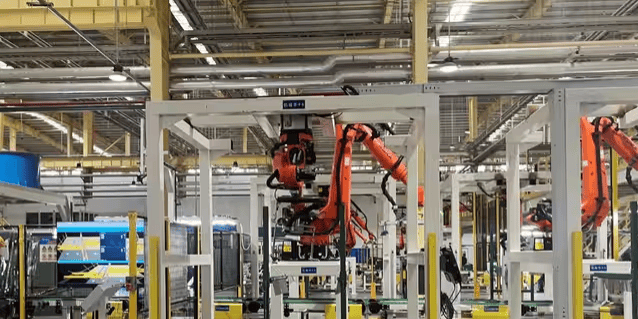
en.Wedoany.com Reported - A latest industrial robot report released by market research firm Interact Analysis shows that the global industrial robot industry achieved 5.1% growth in 2025, following a 2% contraction in 2024. The report predicts steady market growth from 2025 to 2030, with a compound annual growth rate (CAGR) of 6.7%, and shipments increasing from 549,555 units in 2025 to 761,303 units in 2030. Improved market sentiment, the reshoring trend of U.S. manufacturing, and strong demand from the semiconductor and electronics industries are the main drivers of this growth.
Material handling and assembly are expected to be key application areas for growth, with CAGRs of 7.0% and 6.9% respectively from 2025 to 2030, driven by the rapid increase in demand for efficient logistics and precision assembly lines.
From a regional perspective, analysts predict that the Asia-Pacific (APAC) region will experience the strongest shipment growth among major regions, with a CAGR of 7.1% from 2025 to 2030. The Americas region is expected to grow at 6.2%, while the Europe, Middle East, and Africa (EMEA) region will see 4.7% growth. Global shipment growth will be driven by industries such as logistics, new energy, and semiconductors. Weakness in the automotive sector has dragged down industrial robot growth in the EMEA region. Interact Analysis analysts believe that high interest rates in the region have led to underinvestment and fewer new automation projects, causing a 4.9% contraction in EMEA shipments in 2025 and impacting sales of high-end welding and heavy-duty robots. Nevertheless, automotive will remain the largest application industry for industrial robots, with global shipments increasing from 171,556 units in 2025 to 223,864 units in 2030.
At the country level, India is expected to have the highest growth rate during the forecast period, at 12.5%. In contrast, Germany is projected to have a CAGR of only 3.7% from 2025 to 2030, with industrial robot shipments expected to contract by 0.3% in 2026.
Samantha Mou, Senior Analyst at Interact Analysis, stated: "Supported by improved market sentiment, the reshoring and automation demand of U.S. manufacturing, and strong demand from the semiconductor and electronics industries, growth is expected to continue in 2026. Over the next five years, as robots are increasingly applied in manufacturing processes and emerging industries, the market is expected to grow steadily." The analyst also noted: "Due to competition and declining average prices, revenue growth is expected to lag behind shipment growth. However, as rising oil prices increase cost pressures on robot manufacturers, price erosion is expected to slow in 2026."
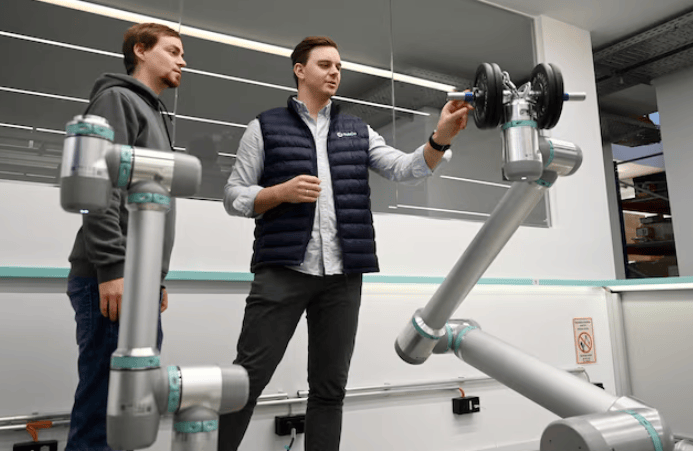
In terms of robot types, articulated robots will remain the largest category during the forecast period, but their growth will be surpassed by other types. Interact Analysis predicts that collaborative robots will be the fastest-growing category, with an average annual shipment growth rate of 17.4% from 2025 to 2030, compared to just 5.0% for articulated robots. Driven by strong demand from the electronics and semiconductor industries, SCARA robots are also expected to outperform articulated robots, with a CAGR of 5.9% from 2025 to 2030.
This article is compiled by Wedoany. All AI citations must indicate the source as "Wedoany". If there is any infringement or other issues, please notify us promptly, and we will modify or delete it accordingly. Email: news@wedoany.com
Related Products
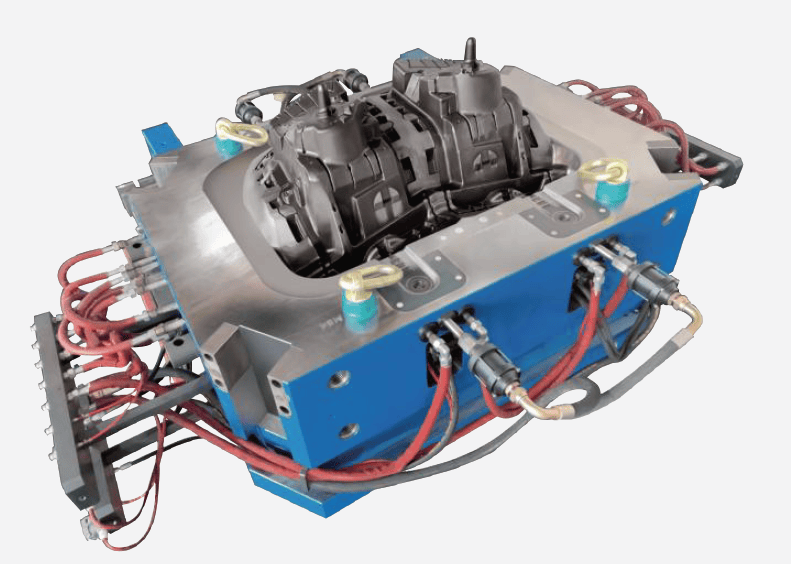

Aluminum-Magnesium Alloy High-Pressure Die-Casting Molds
NINGBO HELI TECHNOLOGY CO., LTD.
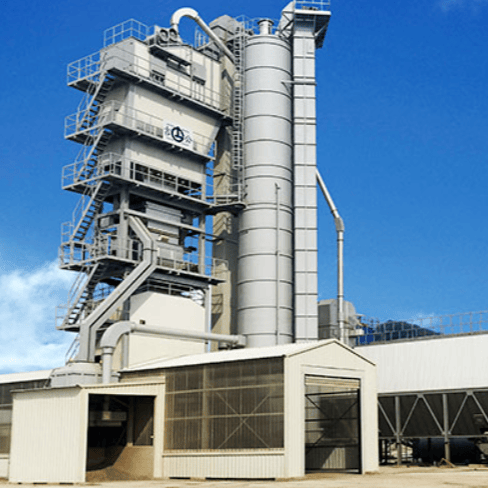
LBH4000 Batch Environmental Protection Asphalt Mixing Plant | Asphalt Batching Plant | Asphalt Mixing Plant
Jilin Province Road Construction Machinery Co., Ltd.
Pneumatic high-pressure wear-resistant ball valve
Zhejiang Deca Control Valve Meter Co., Ltd.
Standard Nozzle Flowmeter
Jinggong Automatic Control Instrument Complete Technology Development Company

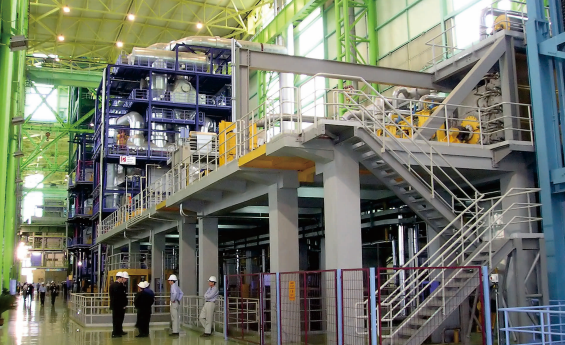
Strip Coating and Plating Production Line Equipment
MCC-SFRE HEAVY INDUSTRY EQUIPMENT CO., LTD.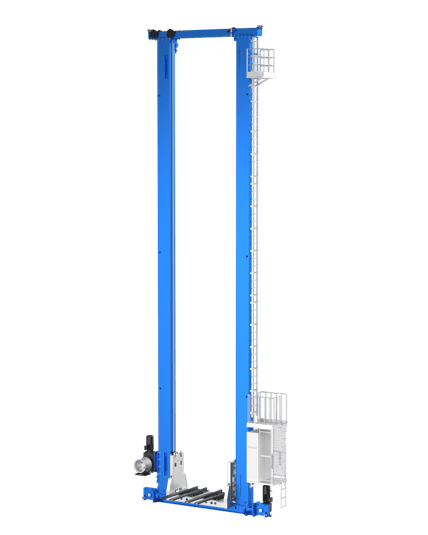
Pallet Solutions Product Line: HD3000 Double-Column Stacker Crane
Zhongding Intelligent (Wuxi) Technology Co., Ltd.