Japanese Institute for Molecular Science Develops New Electrolyte to Solve Fluoride Battery Bottleneck
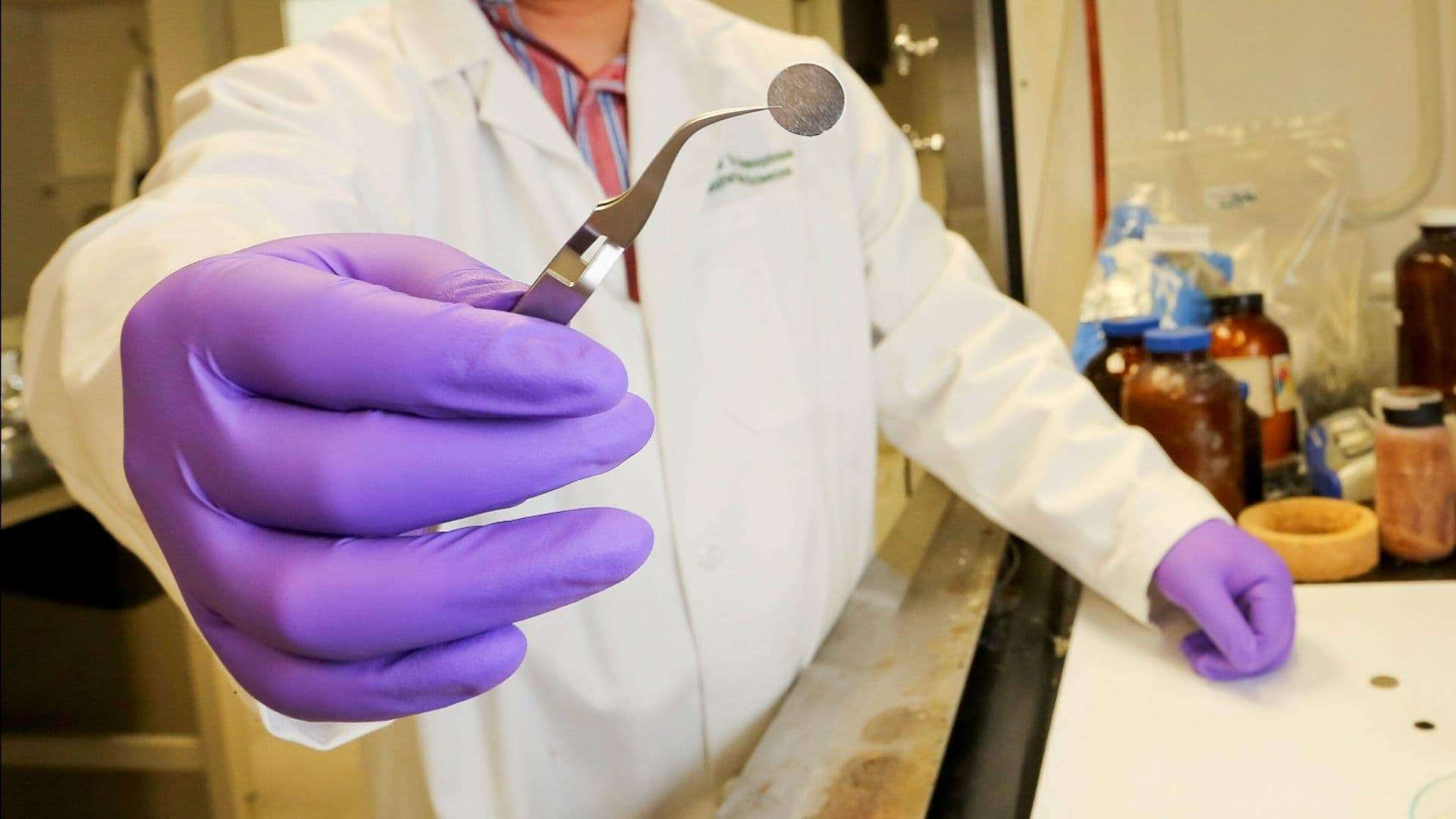
en.Wedoany.com Reported - A research team from the Institute for Molecular Science at the National Institutes of Natural Sciences, a Japanese inter-university research institute, has developed a novel electrolyte design that addresses a major performance bottleneck in fluoride shuttle batteries (FSBs).
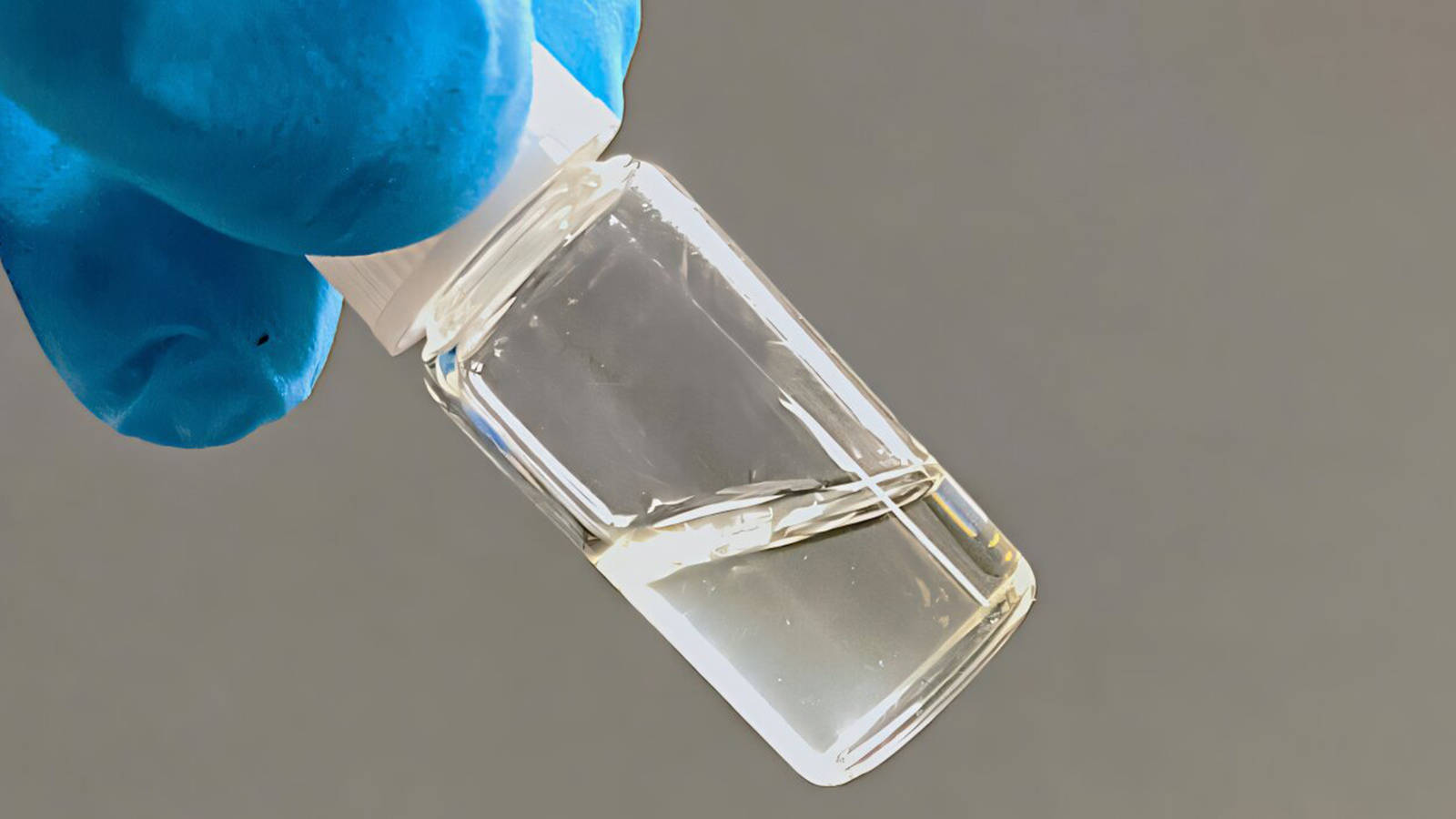
Lithium-ion batteries suffer from natural degradation, and the minerals they rely on require energy-intensive extraction processes. As a next-generation alternative, fluoride shuttle batteries offer extremely high energy density and can be manufactured from inexpensive, abundant materials. Unlike lithium-ion batteries, which transport positive ions, FSBs store and release energy by shuttling fluoride ions between electrodes.
The main challenge facing this technology is that fluorination reactions are more difficult to trigger than defluorination reactions. Fluorination is often accompanied by unwanted side reactions and irreversible processes, leading to degraded battery performance. After analyzing the causes, the research team designed an electrolyte solution—potassium tetrafluoroborate (KBF4). As an inexpensive, abundant, and chemically stable mineral, KBF4 serves as a fluoride source in chemical reactions.
Experiments showed that KBF4 increases the solubility of fluoride salts and alters the state of fluoride ions in the electrolyte. The researchers tested the new electrolyte, confirming its high electrochemical stability, and successfully observed reversible fluorination and defluorination reactions using techniques such as X-ray photoelectron spectroscopy. The team believes that KBF4 effectively controls fluoride ion activity within the battery, acting as a chemically robust, low-cost additive.
The related paper, "Facilitated fluorination by potassium tetrafluoroborate in tetraglyme electrolytes for fluoride shuttle batteries," has been published in the journal ACS Applied Energy Materials. The team plans further research to gain a deeper understanding of how this mechanism works.
This article is compiled by Wedoany. All AI citations must indicate the source as "Wedoany". If there is any infringement or other issues, please notify us promptly, and we will modify or delete it accordingly. Email: news@wedoany.com
Related Products

Inductive Power Harvesting Self-Powered Device - Safuneng
SELF ENERGY TECHNOLOGY (SHENZHEN) CO., LTD.
Perfluorinated Ionic Membrane-CM-10N Series Membrane
Guizhou Juneng Century Technology Co., Ltd
0.66kV Power Supply Instrument Transformer
Guangdong Sihui Instrument Transformer Works Co., Ltd.
CITIC Heavy Industries Offshore Wind Power Equipment Hydraulic Pile Hammer
CITIC Heavy Industries Co., Ltd.
72.5kV 1250A 31.5kA SF6 free Gas-insulated Metal-enclosed Switchgear
Zhejiang Juhonkia Intelligent Electric Co., Ltd.