1-square-meter solar reactor at University of Cambridge achieves plastic-to-hydrogen conversion outdoors
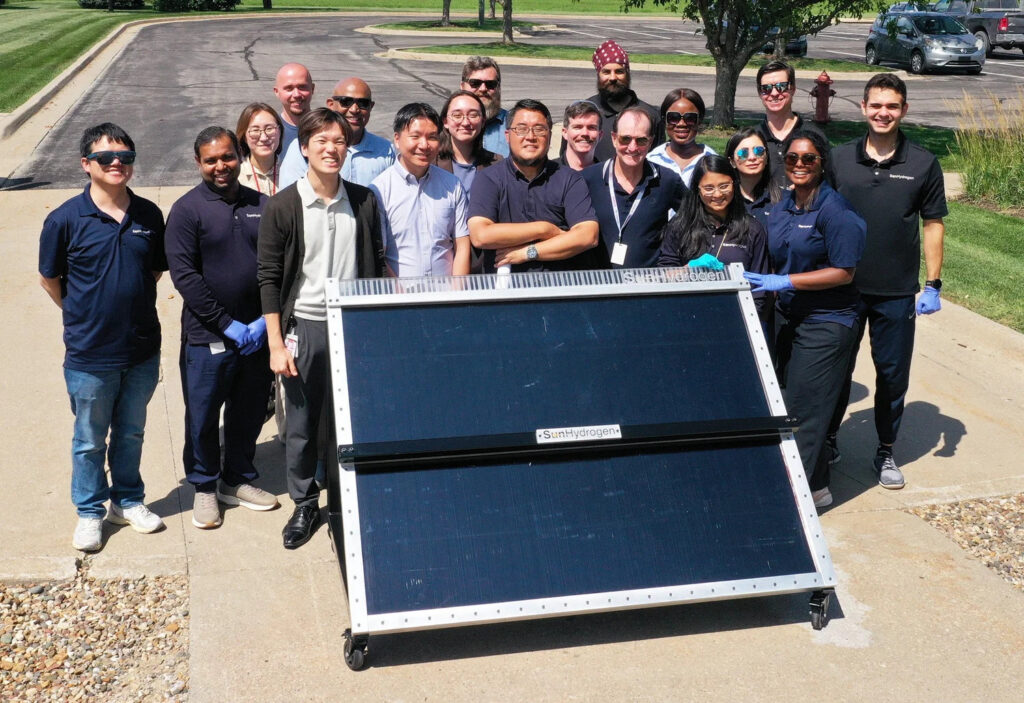
en.Wedoany.com Reported - A research team at the University of Cambridge has developed a solar reactor capable of converting plastic waste into clean hydrogen fuel under outdoor conditions, and has demonstrated its scalability. The technology has moved from the laboratory to practical application, successfully testing a one-square-meter reactor under natural sunlight outside the university's Department of Chemistry—the first time the technology has operated effectively outdoors using a scalable approach.
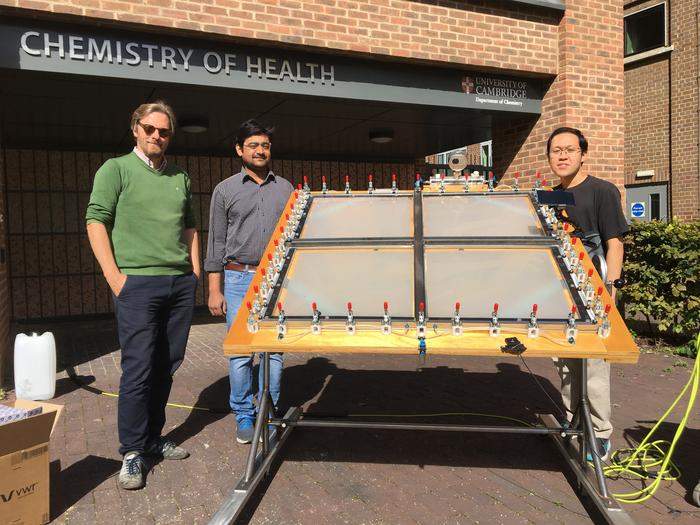
Researchers at the University of Cambridge had previously validated at the laboratory scale that a solar reactor could convert plastic waste into clean hydrogen fuel and industrial chemicals. Early demonstrations used small reactors of about 25 square centimeters, while the new device, approximately one square meter, has shown effectiveness under real-world outdoor conditions. Unlike conventional solar panels that generate electricity, this device drives chemical reactions to convert waste into useful products while splitting water to produce hydrogen.
The findings were published in Nature Chemical Engineering. The research team noted that earlier versions of the solar panels required high temperatures, harsh chemicals, or complex manufacturing processes, often involving small particles suspended in solution and deposited onto substrates. Co-first author Ariffin Bin Mohamad Annuar from the Yusuf Hamied Department of Chemistry at Cambridge said that when scaling up from small sizes, what seemed simple in the lab was not straightforward at scale, and that it was not feasible to use huge solution tanks to manufacture these panels.
The new panels can be assembled at room temperature without specialized equipment. The process involves spraying light-absorbing materials onto glass panels, then coating them with a specialized molecular layer containing cobalt and zirconium. These molecular precursor materials were produced by Professor Dominic Wright's team from the same department, and then loaded by the Reisner team into a device similar to a household paint sprayer for direct application onto the glass panels. Mohamad Annuar stated that after optimization, the process became very simple: just spray the catalyst onto the panel, place it in a solution, expose it to sunlight, and hydrogen and other valuable chemicals are produced from plastic waste.
The researchers tested the reactor's ability to process various materials, from cellulose to PET plastic bottles (used for carbonated drinks), and conducted a cost analysis for the first time, demonstrating the prerequisites for commercializing the technology. The spray-coating method significantly reduces the production cost of the reactor, which is crucial for large-scale manufacturing. However, the team noted that the reactor's durability and efficiency still need improvement before commercialization. A patent application for the technology has been filed through Cambridge Enterprise, the university's innovation arm. The research was partially supported by the UK Department of Science, Innovation and Technology, the Royal Academy of Engineering, and Petronas. Erwin Reisner is a Fellow of St John's College, Cambridge, and Ariffin Bin Mohamad Annuar is a member of Clare College, Cambridge.
This article is compiled by Wedoany. All AI citations must indicate the source as "Wedoany". If there is any infringement or other issues, please notify us promptly, and we will modify or delete it accordingly. Email: news@wedoany.com
Related Products

Photovoltaic and Wind Power Generation Technology
Beijing Boqi Electric Power SCI-TECH Co., Ltd.
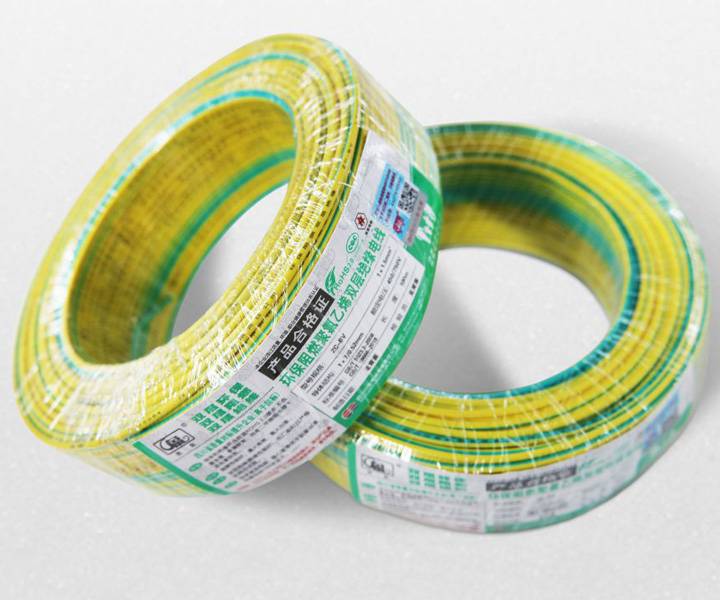
Environmentally Friendly Flame-retardant PVC Double-layer Insulated Wire
Sichuan Chndo Cable Co., Ltd.
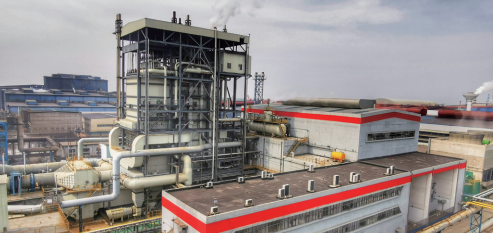
Jiujiang Pinggang 125MW Subcritical Gas Power Generation Project
Capital Engineering & Research Incorporation Limited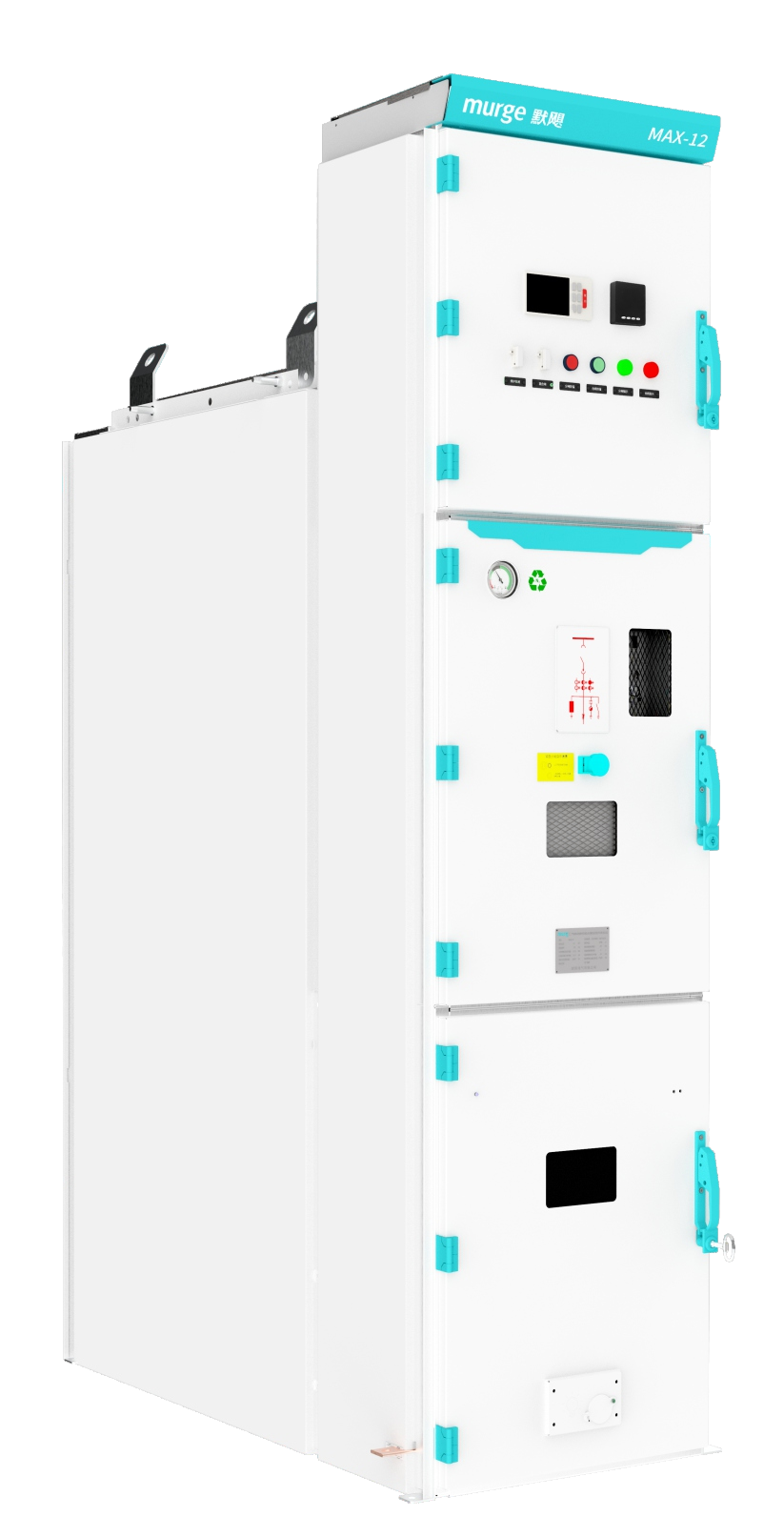
MAX-12 series Environmental Protection/SF6 gas insulated switchgear (C-GIS)
Murge Electric Co.,Ltd.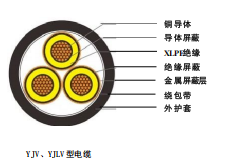
Rated Voltage 6-35kV Cross-linked Polyethylene Insulated Power Cable
TONGDING INTERCONNECTION INFORMATION CO., LTD.

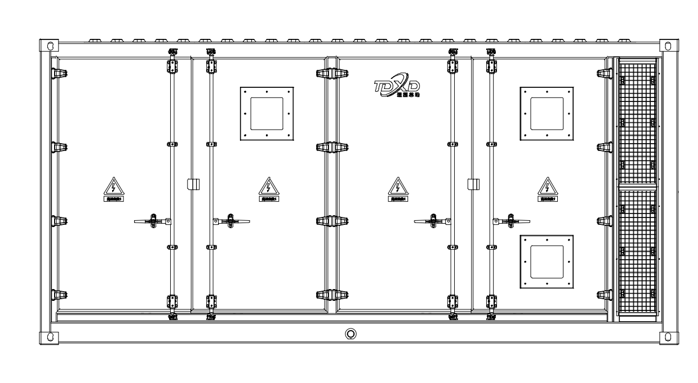
5012kWh DC Energy Storage System TD-EES-5012kWh
Suzhou Tongding Xindong Energy Storage Technology Co., Ltd.
Prefabricated Houses and Electrical Energy Boxes
Chengdu Ruilong Machinery Manufacturing Co., Ltd.